
Nemastoma bimaculatum
Nemastoma bimaculatum
Description
How to identify
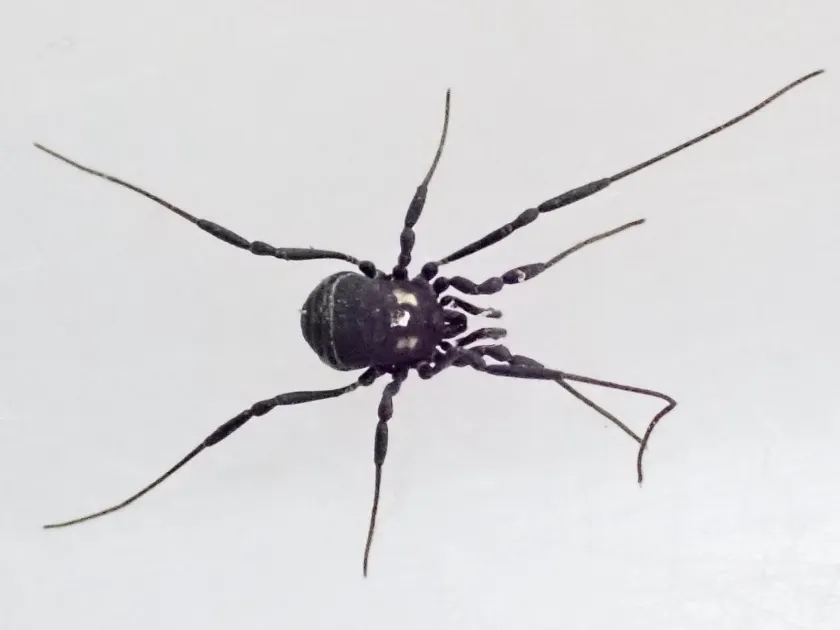
Nemastoma bimaculatum is a small species of harvestman (Opiliones) belonging to the family Nemastomatidae. It is characterized by its distinct dark body, typically 3–4 mm long, with two prominent light-colored spots located on the anterior part of the cephalothorax.
Unlike long-legged harvestmen, this species has relatively short legs, giving it a sturdy and compact appearance. Its coloration helps it camouflage efficiently within the soil surface, leaf litter, and damp organic debris.
These organisms prefer high-humidity environments, commonly found in shaded areas, under stones, or within dense vegetation. They are predominantly nocturnal, which makes them difficult to observe during standard daytime scouting.
While generally considered beneficial predators, their opportunistic feeding habits can become problematic in intensive agricultural settings when their natural prey is scarce and young crop seedlings are present.
Accurate identification usually requires a hand lens, focusing on the specific placement of the two pale spots, which serves as a definitive trait for distinguishing this species from other similar soil-dwelling arthropods.
What it damages
In agricultural environments, Nemastoma bimaculatum acts as a pest by targeting germinating seeds and young seedlings. They are known to feed on the tender epidermis of the hypocotyl and the developing cotyledons of various vegetable crops.
The damage caused is primarily mechanical, as the harvestmen scrape away the outer layers of the plant tissues. This feeding behavior creates superficial wounds that often result in plant stunted growth or permanent distortion.
Furthermore, these wounds act as entry points for soil-borne pathogens, including various fungal species that cause damping-off. This leads to secondary infections that are more detrimental to the crop than the initial mechanical feeding.
Greenhouses and nurseries are particularly susceptible to damage if humidity levels are not controlled. The constant moisture and presence of organic matter create an ideal habitat where this pest can flourish and impact a large number of plants simultaneously.
Young plants, especially those in the early cotyledon stage, are the most vulnerable. If the population density is high, the pest can cause significant seedling loss, leading to gaps in the field and requiring costly replanting efforts.
Signs of infestation
The primary symptom of infestation is the presence of irregular, shallow pits or darkened lesions on the stems or leaves of seedlings. These areas often appear moist and may eventually show signs of mycelial growth.
Plants may show unexpected wilting even when soil moisture is adequate. This is often the result of stem damage at the soil-line level, where the transport of water and nutrients has been compromised by the feeding activities.
Scouting for the pest should be conducted by inspecting the soil surface near damaged plants during early morning hours. They are frequently found hiding beneath moist crop residues or small soil clods.
Inconsistent stand establishment, characterized by patches of healthy and struggling plants, is a strong indicator of localized pest activity within the field or greenhouse bench.
Visual confirmation of the species can be achieved by placing a white tray under the plant and gently shaking the surrounding soil or foliage, as the harvestmen will move quickly once disturbed.
Control measures
Cultural management is the most effective approach to control Nemastoma bimaculatum. Maintaining field hygiene by removing post-harvest residues and controlling weed growth prevents the formation of the humid microclimate the pest requires.
Deep plowing or soil cultivation before sowing is essential to expose the harvestmen to predators and unfavorable environmental conditions, which effectively reduces their numbers before the next crop cycle begins.
In protected cultivation, controlling the humidity level is crucial. Improving ventilation and spacing between plants can significantly reduce the moisture content of the soil surface, making the habitat unsuitable for the pest.
If population levels exceed economic thresholds, the application of registered soil insecticides may be necessary. It is important to target the application to the soil surface where the pests reside and feed.
Biological control strategies, such as encouraging the presence of natural ground predators like carabid beetles or predatory mites, can help maintain the population at non-damaging levels through natural suppression mechanisms.
Taxonomy
- Latin name
- Nemastoma bimaculatum
- Family
- Nemastomatidae
- EPPO code
- NMASBI
Discussion
No discussions yet — be the first.