
Nebalia
Nebalia
Description
How to identify
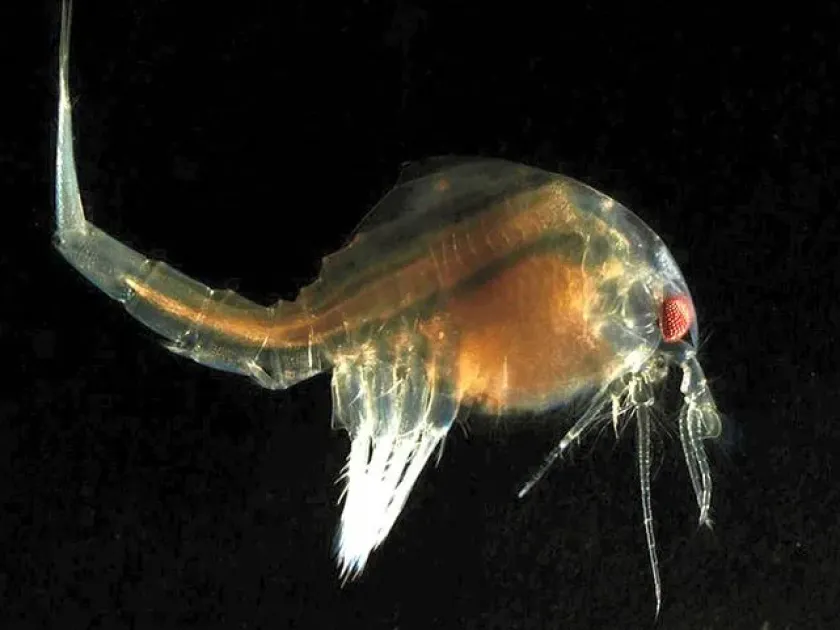
Nebalia is a genus of marine crustaceans belonging to the order Leptostraca. They are characterized by a bivalved carapace that protects their thoracic segments.
Physically, they resemble small shrimp, usually measuring between 5 to 15 mm in length, with stalked eyes and long antennae.
A key structural feature is the presence of a well-developed furca at the end of the abdomen, which allows the animal to perform rapid jumps in the water.
These organisms are considered primitive crustaceans that have retained ancestral characteristics, making them a subject of interest for marine biologists.
Nebalia species live primarily in benthic environments, preferring shallow areas with soft substrates rich in organic matter.
What it damages
It is important to clarify that from an agronomic perspective, Nebalia is not a pest of agricultural or horticultural crops. It is strictly a marine organism.
Confusion in some databases may occur due to incorrect naming, but Nebalia does not live on land and does not feed on plant tissues.
These crustaceans are incapable of surviving outside of a marine or aquatic environment and pose zero threat to fields, greenhouses, or gardens.
Their ecological role is restricted to the breakdown of organic detritus, which assists in the purification of coastal waters.
Any listing of this genus as a "plant pest" is a factual error resulting from a misunderstanding of marine biology classifications.
When it appears
Reproduction and activity of these organisms depend on water temperature, as they inhabit the coastal zone throughout the entire year.
Peak population densities are typically observed during spring and summer months when organic decay on the seabed increases.
Females carry eggs under their carapace, providing protection for their offspring during the initial stages of development.
The life cycle includes several larval stages that occur within the water column or near the surface of the substrate.
Seasonal dynamics are heavily influenced by the availability of food sources and interactions with natural aquatic predators.
Signs of infestation
Because this species does not damage plants, there are no "signs of infestation" relevant to agriculture or crop production.
In a marine setting, presence can be identified by the rapid movement of small translucent individuals near decomposing seaweed.
They often concentrate in areas with low oxygen levels, acting as indicators of benthic environmental conditions.
Visual inspection of sediment samples would reveal small crustaceans moving in rapid, jerky motions when disturbed.
The absence of damage to crops is consistent with their strictly aquatic lifestyle and specialized diet of organic detritus.
Control measures
No control measures are applied against Nebalia in agriculture, as they do not constitute a threat to crops or soil health.
Applying pesticides or chemicals due to the presence of these crustaceans is unnecessary, harmful to the environment, and ineffective against them.
In aquaculture contexts where management is needed, ecological balance is the only recommended strategy.
Agronomists are advised to disregard the presence of Nebalia near agricultural land, as they have no impact on productivity.
These organisms may only be of interest for environmental monitoring or aquatic ecological research.
Taxonomy
- Latin name
- Nebalia
- Family
- Nebaliidae
- EPPO code
- NEBASP
Discussion
No discussions yet — be the first.