
Naranga
Naranga
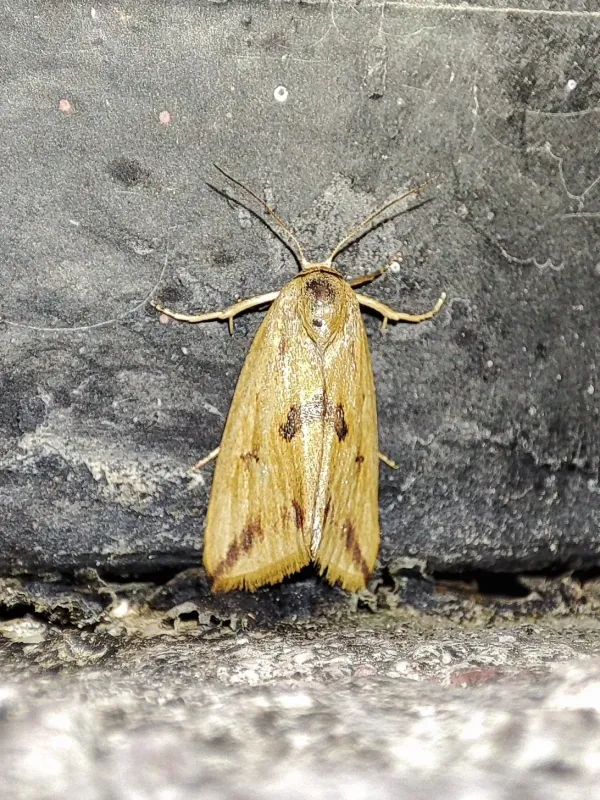
Description
How to identify
Naranga (Naranga diffusa) is a species of moth belonging to the Noctuidae family, order Lepidoptera. Adult moths are relatively small with cryptic coloration, allowing them to blend into the foliage of host plants during the daytime.
The larvae, or caterpillars, undergo several growth stages (instars). As they develop, they grow significantly and change their body patterns, which is typical for many noctuid moth species.
The life cycle consists of complete metamorphosis: egg, larva, pupa, and adult. This biological cycle allows the species to synchronize its development with the growth stages of its host plants.
Adults are nocturnal and are highly attracted to light sources. This behavior is widely used by agronomists to monitor population density through light traps in rice fields.
Overwintering usually occurs at the pupal stage, buried in the soil or within crop debris. This strategy provides protection against environmental stress and prepares the population for the next season.
What it damages
The primary host for Naranga diffusa is rice (Oryza sativa). It is recognized as a specialized pest in major rice-growing regions across Asia and other suitable climates.
Besides cultivated rice, the larvae can feed on various wild grasses found in the surrounding ecosystem, ensuring their survival even when main fields are fallow.
The larvae damage the plant by feeding on the leaves. This feeding behavior reduces the total photosynthetic surface area, which directly impacts the plant's ability to produce energy for grain development.
Young plants are particularly sensitive to infestation. Heavy feeding during the early vegetative stages can lead to stunted growth and reduced tillering, eventually lowering the total harvest yield.
In cases of severe infestation, the larvae can defoliate large portions of the crop, causing significant economic damage and reducing the overall quality of the rice grain produced.
Signs of infestation
The first signs of infestation are small, window-like holes on the leaves caused by young larvae feeding on the leaf tissue without consuming the upper epidermis.
As the larvae mature, they consume the entire thickness of the leaf blade, resulting in irregular, jagged edges or completely destroyed leaf surfaces, leaving only the main veins.
The presence of frass (larval droppings) on leaves and within the leaf sheaths is a clear indicator that larvae are currently active on the plant.
In some cases, you may observe silk webbing between leaves, as larvae sometimes stitch leaf surfaces together to create a protected micro-environment against heat and predators.
Increased activity of adult moths at dusk near the field edges is a reliable warning sign that indicates the potential for a new generation of larvae to hatch soon.
Control measures
Cultural control practices, such as removing weeds from field bunds and surrounding areas, are essential to minimize the secondary food sources that support the pest's population.
Adjusting the planting dates of rice can help ensure that the crop passes its most vulnerable developmental stages before the peak population density of the pest.
Biological control involves the use of natural predators and parasitoids, such as Trichogramma wasps, which parasitize the eggs of the moth, significantly reducing the hatching rate.
Chemical control should be implemented only when the pest population exceeds the economic threshold, using registered and selective insecticides that minimize impact on beneficial insects.
- Installation of light traps for regular monitoring.
- Scouting for egg clusters during the early season.
- Application of bio-rational pesticides.
- Post-harvest tillage to destroy overwintering pupae.
Taxonomy
- Latin name
- Naranga
- Order
- Lepidoptera (butterflies)
- Family
- Noctuidae
- EPPO code
- NARASP
Discussion
No discussions yet — be the first.