
Hagfish
Myxine
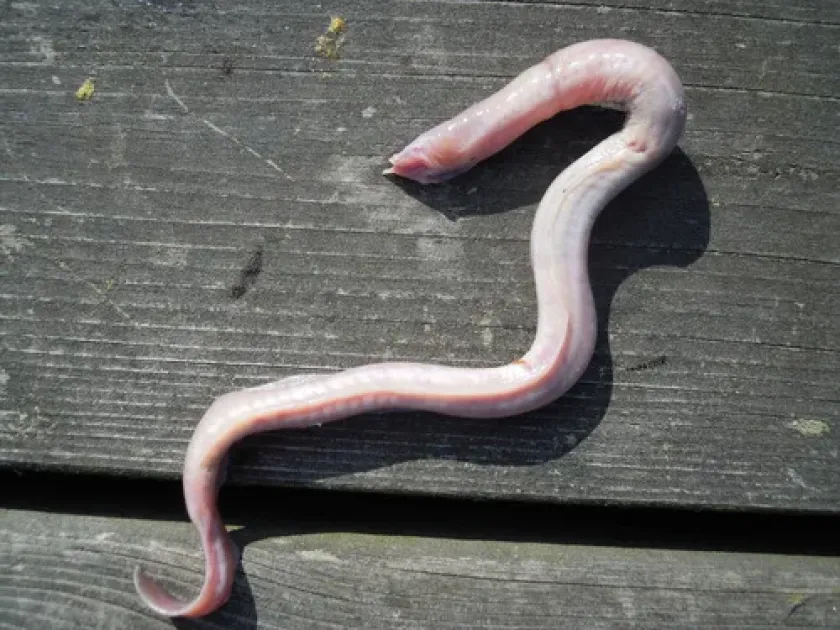
Description
How to identify
Hagfish (genus Myxine) are primitive, jawless marine vertebrates belonging to the class Myxini. They are eel-shaped creatures found primarily in cold, deep-sea waters across the globe.
These animals are characterized by their lack of scales and their ability to produce massive amounts of slime as a defense mechanism. Their skeletal system is cartilaginous, lacking a true bony spine.
Unlike common pests such as aphids, beetles, or caterpillars, hagfish do not live in soil, air, or freshwater environments. They are specialized organisms of the benthic zone of the ocean.
They rely heavily on their sense of smell to locate food in the dark depths of the sea. Their bodies are well-adapted to high pressure and low temperatures.
From an agricultural standpoint, categorizing hagfish as a plant pest is entirely incorrect. They have no biological interaction with land-based flora or crop systems.
What it damages
Hagfish do not damage crops, vegetables, or agricultural plants in any way. They cannot survive on land and are strictly marine organisms.
Their diet consists of carrion, worms, and small crustaceans found in the seabed. They lack the jaw structure or digestive system required to feed on terrestrial plant tissues.
There are no recorded instances of hagfish impacting harvest quality, field yields, or greenhouse productivity. They are not plant-feeding organisms.
Any perceived damage to crops should be attributed to actual terrestrial or soil-dwelling pests. Confusing hagfish with land-based pests is a significant misclassification.
In summary, agricultural professionals have no reason to be concerned about this species in the context of plant health management.
Control measures
Since hagfish are not agricultural pests, there are no control measures, pesticides, or management protocols developed for them in an agronomic context.
Applying any form of crop protection product against a marine species like Myxine is useless and potentially harmful to the surrounding environment.
Agronomists are encouraged to focus their resources on managing real agricultural threats, such as nematodes, fungi, or herbivorous insects.
If you suspect damage to your plants, consult local pest diagnostic guidelines to identify the actual culprit rather than looking for marine organisms.
Reliable pest control relies on accurate species identification to ensure that management efforts are directed toward legitimate and impactful threats to agriculture.
Taxonomy
- Latin name
- Myxine
- Family
- Myxinidae
- EPPO code
- MYXISP
Discussion
No discussions yet — be the first.