
Mudaria luteileprosa
Mudaria luteileprosa
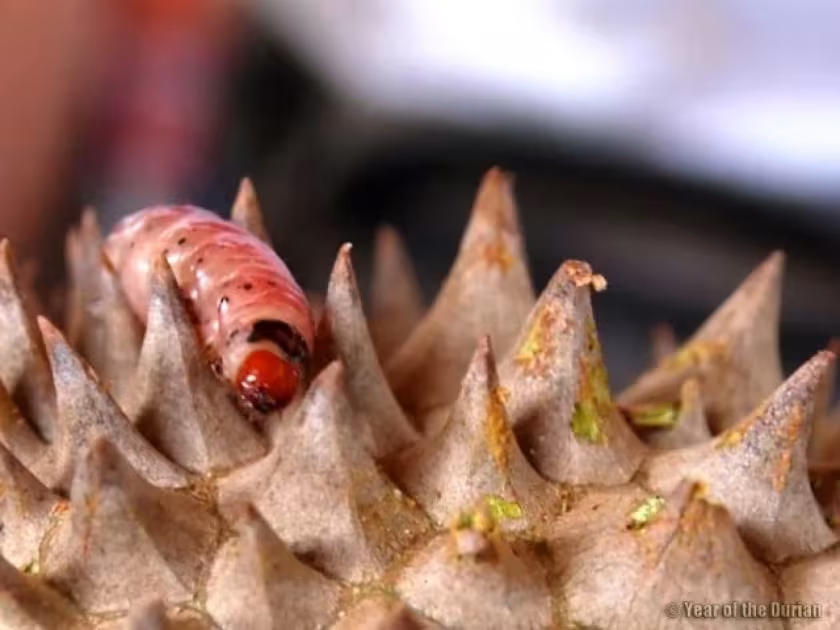
Description
How to identify
Mudaria luteileprosa is a moth species belonging to the family Noctuidae. It is a highly specialized agricultural pest that targets specific crops, predominantly those belonging to the Malvaceae family, including cotton.
The adult moth is nocturnal and exhibits cryptic coloration, which provides excellent camouflage against tree bark or soil surfaces. Understanding the flight activity of the adult is crucial for timing monitoring activities in the field.
The life cycle involves four distinct stages: egg, larva, pupa, and adult. The larval stage is the most critical period, as the caterpillars are responsible for all the agricultural damage caused by the species.
Accurate identification is often challenging due to the moth's habit of concealing itself. Entomologists typically rely on specific morphological features of the larvae and the damage patterns on the host plants for field diagnosis.
Geographical distribution and host plant availability are key factors that influence the life cycle of Mudaria luteileprosa, making it a persistent threat in regions where its primary host crops are grown extensively.
What it damages
The primary hosts of Mudaria luteileprosa are cotton and certain leguminous plants. The pest specifically attacks the reproductive parts, such as flower buds and fruit pods, causing direct loss of yield.
Larvae bore into the buds or immature pods, consuming the interior tissues. This activity leads to the shedding of affected parts, effectively reducing the plant's reproductive output and total harvest weight.
In cotton production, the damage extends to the fiber quality. Larvae penetration facilitates the entry of secondary pathogens, which stain the cotton fiber and compromise its commercial value.
For leguminous crops, the caterpillars consume the developing seeds within the pods. This destruction of the seed stock is particularly damaging for seed-production fields and reduces the overall nutritional value of the crop.
High infestation levels can lead to severe crop losses, often exceeding 40% if control measures are not implemented during the initial stages of larval development.
Signs of infestation
The most visible sign of an infestation is the premature wilting and dropping of flower buds. Farmers observing unusual bud drop should inspect the fallen material for signs of larval boring.
Entrance holes on the surface of the fruit or pods are clear indicators of the pest's presence. These holes are often surrounded by larval excrement, which is a hallmark of an active infestation.
Dissecting a damaged pod reveals the larvae inside, often surrounded by frass and decaying tissue. This internal damage is the most definitive diagnostic feature of Mudaria luteileprosa activity.
Discoloration of the pod surface, often shifting to brown or dark spots, indicates that the larva has been present for a significant duration, allowing secondary fungi or bacteria to colonize the damaged site.
Farmers can also look for increased activity of predatory insects or birds on the field, as they are often attracted to the high density of larvae found within the cotton or legume pods.
Control measures
Effective management of Mudaria luteileprosa requires an Integrated Pest Management (IPM) approach, focusing on preventive measures rather than sole reliance on chemical treatments.
Deep plowing after harvest is an essential cultural practice. This process exposes the pupae to environmental stressors and predators, significantly reducing the overwintering population for the next season.
Field hygiene is equally important; clearing and destroying crop residues prevents the buildup of larval populations and eliminates breeding sites for subsequent generations.
- Deploying pheromone traps to track adult moth population dynamics.
- Applying systemic insecticides specifically during the peak egg-hatching period.
- Encouraging natural biological control by conserving predatory insects and parasitoids.
Biological control agents, particularly those using Bacillus thuringiensis, offer a sustainable alternative for managing larvae before they successfully penetrate the protective outer layer of the crop pods.
Taxonomy
- Latin name
- Mudaria luteileprosa
- Order
- Lepidoptera (butterflies)
- Family
- Noctuidae
- EPPO code
- MUDALU
Discussion
No discussions yet — be the first.