
Mudaria
Mudaria
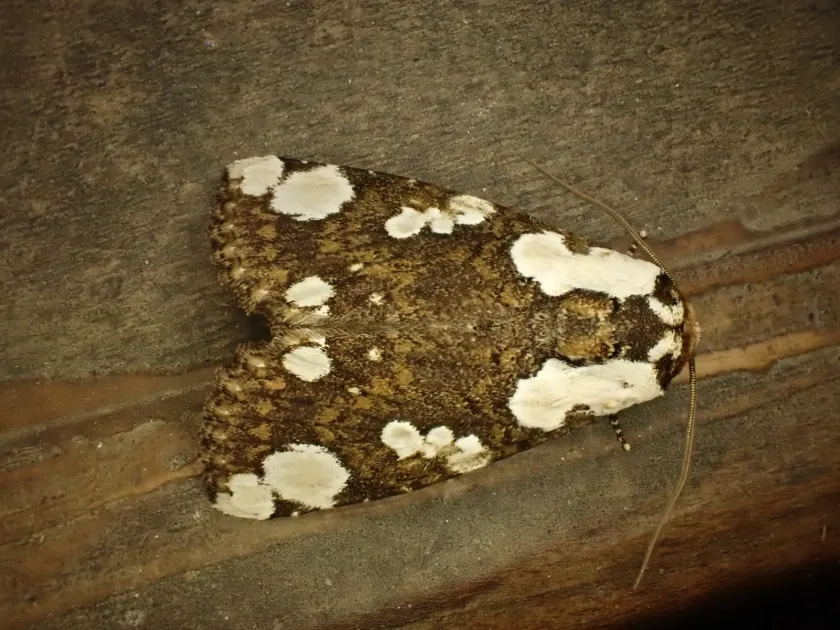
Description
How to identify
Mudaria is a genus of moths belonging to the Noctuidae family, known for their specific interaction with various plant species, particularly cotton.
These moths are typically nocturnal, possessing cryptic coloration that allows them to blend seamlessly with the environment during the day.
The larvae, or caterpillars, are the primary damaging stage, characterized by strong mouthparts capable of boring into the hard tissue of plant fruits.
Identification of the species often requires professional entomological analysis of adult specimens, especially the genital structure, to distinguish between closely related moths.
In field conditions, identification is usually made by observing the characteristic boring patterns and the presence of larvae inside the reproductive parts of the plant.
What it damages
The primary host plant for the genus Mudaria is cotton (Gossypium), where the larvae pose a significant threat to yields.
The larvae penetrate the flower buds and developing bolls, feeding on the internal tissues, including the seeds and the developing fiber.
This feeding behavior causes the bolls to stop developing, leading to premature shedding or total destruction of the fiber quality.
Economic damage is severe because the pest attacks the very organs that define the crop's market value, directly reducing the harvest.
Secondary infections, such as fungi and bacteria, frequently enter the boll through the entry holes made by the larvae, leading to rot and complete crop loss.
When it appears
The life cycle of Mudaria is synchronized with the phenology of the cotton plant, specifically the stages of budding and boll formation.
Adult moths emerge in alignment with the availability of cotton reproductive organs, which serve as the ideal site for oviposition.
Multiple generations can occur throughout the growing season, posing a continuous threat to the crop as long as suitable host tissue is available.
The pest typically overwinter in the pupal stage, buried in the soil or hiding within crop residues left in the field after harvest.
Climate factors such as temperature and humidity levels play a critical role in triggering the emergence of adults and the overall population growth each year.
Signs of infestation
The most reliable sign of a Mudaria infestation is the presence of small entry holes on the surface of cotton bolls, often marked by frass (larval excrement).
- Premature shedding of buds and young bolls.
- Presence of holes and tunnels within the boll tissues.
- Deformation of the developing boll structure.
- Incomplete or impaired fiber development inside the boll.
- Discovery of larvae when dissecting damaged reproductive parts.
Growers should perform regular field inspections during the boll development stage, focusing on signs of physical boring on the exterior of the fruits.
If the internal tissues are hollowed out or contain signs of larval feeding, immediate action is required to prevent further spread of the infestation.
Control measures
Effective control of Mudaria involves an integrated pest management (IPM) strategy that combines physical, biological, and chemical methods.
Deep plowing after the cotton harvest is an essential practice to disrupt the pupal stage, burying or destroying the pupae in the soil.
Sanitation practices, such as removing crop debris and managing weed populations, help reduce the habitats where the pest survives during the off-season.
Chemical applications are effective only when timed correctly, targeting the larval stage before the caterpillars penetrate the protective hard shells of the bolls.
The use of pheromone traps is highly recommended for monitoring adult flight, allowing growers to optimize the timing of control measures for maximum efficiency.
Taxonomy
- Latin name
- Mudaria
- Order
- Lepidoptera (butterflies)
- Family
- Noctuidae
- EPPO code
- MUDASP
Discussion
No discussions yet — be the first.