
Metretopus borealis
Metretopus borealis
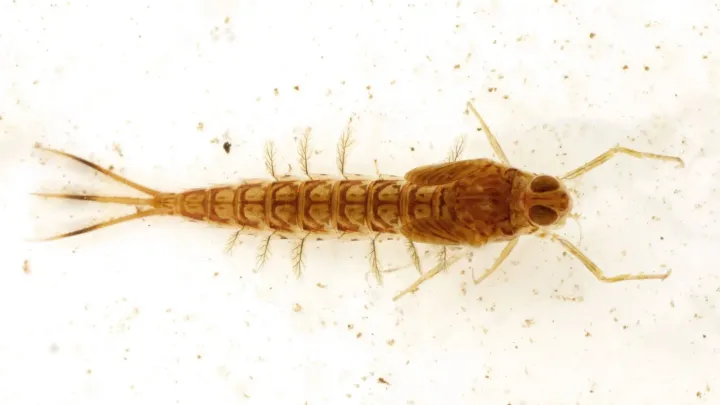
Description
How to identify
Metretopus borealis belongs to the order Ephemeroptera (mayflies) and the family Metretopodidae. It is a specialized aquatic insect that thrives in clean, oxygen-rich running waters.
The adult mayflies possess a delicate structure with two pairs of net-veined wings and long caudal filaments. Their mouthparts are vestigial, as the adults do not feed during their short lifespan.
The larvae are highly active swimmers with a streamlined body shape, designed to navigate moderate currents effectively. They are predatory or opportunistic feeders in their natural aquatic habitats.
Life cycle development is strictly tied to water temperature, with larvae progressing through several molts before emerging as winged adults during late spring or early summer.
In agricultural settings, these insects can colonize flooded fields and irrigation systems, making them occasional pests in water-intensive cropping systems like rice paddies.
What it damages
The primary damage is caused by the larval stage, which can feed on the delicate tissues of young aquatic or semi-aquatic crop seedlings submerged in the fields.
Larvae graze on the epidermis of leaves and root systems, which can stunt the initial growth of plants and increase their susceptibility to opportunistic aquatic pathogens.
Mechanical damage caused by larval feeding often leads to leaf necrosis and overall thinning of the crop stand, significantly affecting yield potential in affected areas.
In cases of high infestation, the combined impact of feeding and secondary bacterial infections caused by the entry points creates localized patches of crop failure.
The extent of the damage is often dependent on the duration of flooding and the availability of alternative food sources for the larvae within the irrigation system.
When it appears
The active larval period occurs in spring, aligning with the rising water temperatures that trigger metabolic activity and growth of the mayfly nymphs.
Emergence of adults typically peaks between late spring and early summer, which often coincides with the most sensitive stages of crop development.
Colonization of cultivated fields happens shortly after irrigation or flooding, as larvae are carried into the system with water supplies from natural sources.
The duration of the larval phase is generally long, extending over several months, which creates a prolonged period of potential risk for young seedlings.
Seasonal patterns can shift based on geographic latitude and local hydrological conditions, influencing the timing of pest activity in different agricultural regions.
Signs of infestation
The presence of larvae in irrigation water is the most direct sign, often detectable by using fine-mesh sampling nets during regular field inspections.
Foliar symptoms include irregular "grazing" marks or pitting on the leaves of submerged plants, often accompanied by chlorosis or secondary rot.
Cast-off larval skins (exuviae) can frequently be found attached to the stalks of plants or debris near the water line, indicating recent molting activity.
Clusters of stunted or weak plants in areas with low water circulation are common indicators of localized larval congregation and high feeding pressure.
Adult swarms near the edges of fields during twilight hours are a definitive sign that a large population has successfully completed its development cycle.
Control measures
Effective management focuses on hydrological control, such as periodic field drainage to disrupt the aquatic cycle and eliminate the larval habitat.
Biological control through the use of entomopathogenic agents is a preferred method that minimizes chemical residues and protects beneficial aquatic organisms.
Managing the vegetation along irrigation canals reduces the available substrate for egg-laying and larval development, effectively limiting population growth.
Chemical intervention should be reserved for severe outbreaks and must be conducted with products that are safe for both the crop and the aquatic environment.
- Regular water monitoring and sampling;
- Maintenance of clean irrigation canals;
- Timely drainage of flood-prone fields;
- Use of vigorous, high-germination seed varieties.
Taxonomy
- Latin name
- Metretopus borealis
- Family
- Metretopidae
- EPPO code
- MTPSBO
Discussion
No discussions yet — be the first.