
Metopia
Metopia
Description
How to identify
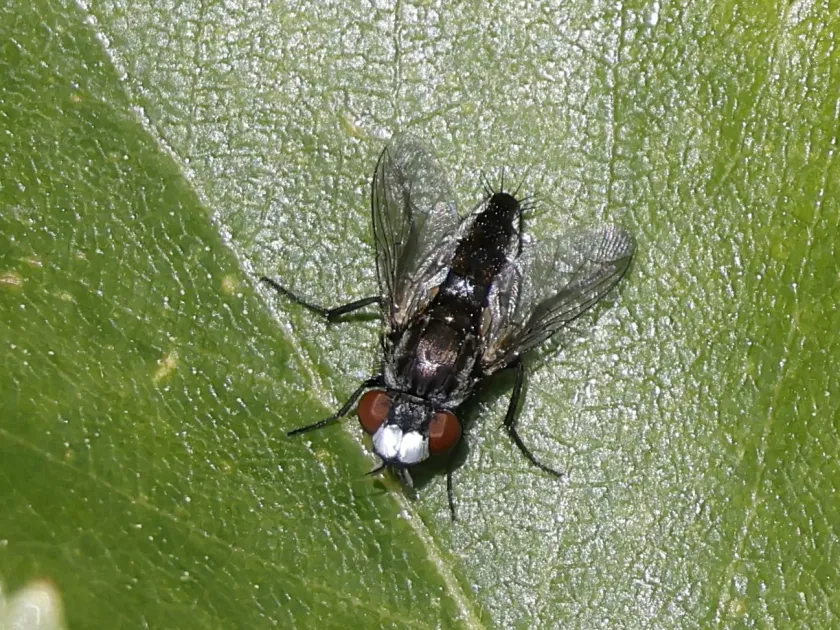
Metopia (lat. Metopia) is a genus of flies belonging to the Sarcophagidae family, commonly known as flesh flies. These insects are characterized by a stout body covered with sensory bristles and often display a distinct checkerboard pattern on the abdomen.
Adult flies are frequently seen on flowering plants, feeding on nectar. Their role in agroecosystems is complex, as they function as parasitoids that target other arthropods, including beneficial insects essential for agricultural productivity.
The larvae are cylindrical and highly specialized for development within host tissues or nests. They have an accelerated growth cycle, which enables the species to thrive and compete effectively in various environmental conditions.
Identification of the specific species within the genus Metopia often requires professional entomological assessment. Many species are morphologically similar, making field identification challenging for non-specialists.
They prefer sunny, open areas where they can easily locate hosts. Their behavioral patterns are closely linked to the activity of their hosts, and they remain highly mobile throughout the growing season.
What it damages
Metopia does not consume crops directly but causes indirect damage by parasitizing beneficial insects, including pollinators and natural enemies of crop pests. This disrupts the biological control and pollination processes.
The decline in populations of solitary bees and wasps, which are primary pollinators for crops like sunflowers, oilseed rape, and fruit trees, leads to lower fruit set and reduced yields. This creates a hidden economic impact on farmers.
Parasitizing predators, such as wasps that feed on aphids and caterpillars, triggers a chain reaction. With fewer predators present, pest populations can surge rapidly, requiring additional chemical intervention.
The resulting disturbance to the agroecosystem leads to an increased reliance on pesticides. This creates a cycle where the use of broad-spectrum chemicals further harms beneficial insects, exacerbating the problem created by parasitoids.
Ultimately, while not a phytophagous pest, Metopia serves as a negative indicator of ecosystem stability. Its presence often marks a need to re-evaluate the farm's Integrated Pest Management (IPM) strategies.
When it appears
The activity cycle of Metopia begins in late spring, following the warming of the soil. As temperatures rise, overwintering puparia transition into the adult stage, aligning with the peak flowering periods.
Summer months, particularly June and July, represent the peak of their lifecycle. During this time, multiple overlapping generations can occur if host availability remains high and climatic conditions are optimal.
As autumn approaches, the flies prepare for dormancy. They seek refuge in the upper soil layers or dense plant debris, entering the pupal stage to survive the cold winter months.
The lifecycle is strictly tied to the presence of hosts. In areas with high biodiversity and consistent pollinator activity, the pressure from Metopia can be sustained throughout the entire growing season.
Monitoring the seasonal flight patterns helps agricultural specialists determine when to implement protective measures to safeguard pollinators from overlapping pesticide exposure.
Signs of infestation
One of the primary signs of Metopia presence is observing the flies hovering near the ground, specifically around the nesting burrows of solitary bees or wasps. They spend significant time scanning for host entries.
Reduced pollination efficiency, despite a healthy presence of blossoms, may suggest that the population of pollinators is being suppressed by parasitic flies, preventing them from fulfilling their natural function.
Frequent discovery of dead beneficial insects in field traps or nesting sites can be a red flag. Lab examination of these insects often reveals the presence of fly larvae or puparia associated with Sarcophagidae.
A sudden spike in aphid or caterpillar populations often occurs simultaneously with a decrease in their natural predators. This imbalance is a classic indicator that parasitoids like Metopia might be impacting the local predatory insect community.
Visual spotting of the adult flies on field edges and flowers, particularly those near nesting habitats, is a simple way to gauge potential pressure before it impacts crop yields.
Control measures
The most effective strategy is the preservation of habitats for beneficial insects. Maintaining flower-rich buffer zones helps sustain populations of predators and pollinators, providing a natural defense system.
Integrated Pest Management (IPM) emphasizes the use of selective insecticides. Avoiding broad-spectrum chemical sprays during the peak flowering stage is crucial to ensure that beneficial insects remain unaffected.
Cultural control methods, such as deep autumn plowing, are highly effective. This practice destroys the puparia buried in the soil, significantly reducing the emergence of the next generation in the spring.
- Minimize pesticide usage during peak pollinator flight hours.
- Use biological controls that specifically target crop pests without harming non-target species.
- Implement trap cropping or nesting shelters for pollinators away from pesticide-treated areas.
- Regularly monitor field populations using sticky traps for better decision-making.
By balancing pest management with the conservation of beneficial species, farmers can mitigate the impact of Metopia and foster a more resilient and productive agricultural environment.
Taxonomy
- Latin name
- Metopia
- Order
- Diptera (flies)
- Family
- Sarcophagidae
- EPPO code
- MTPOSP
Discussion
No discussions yet — be the first.