
Mariaella dussumieri slug
Mariaella dussumieri
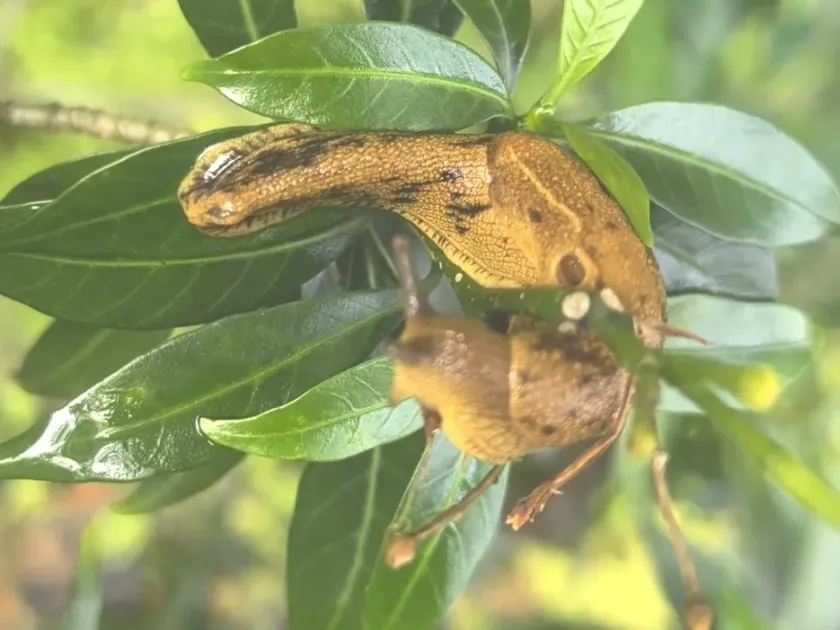
Description
How to identify
Mariaella dussumieri is a land-dwelling gastropod belonging to the Ariophantidae family. It is recognized as a significant agricultural pest that lacks a protective shell covering its body.
The slug's body is elongated and typically displays a grayish-brown coloration with dark spots or mottled patterns. Its size can be substantial, allowing it to consume large quantities of plant tissue in a single night.
The mantle, which covers the anterior part of the slug, is a key diagnostic feature. Detailed inspection of the mantle's texture and color patterns is essential for accurate species identification by agronomists.
Being highly sensitive to moisture loss, these slugs are primarily nocturnal. They prefer to inhabit moist, cool microenvironments, often burying themselves in the soil or hiding under debris during daylight hours.
Reproduction involves laying clusters of eggs in moist soil or sheltered areas. The life cycle is highly dependent on environmental conditions, with optimal warmth and humidity facilitating rapid population growth.
What it damages
As a generalist herbivore, Mariaella dussumieri causes extensive damage to a wide variety of vegetables, fruit crops, and ornamental plants. It is particularly destructive to succulent leaves and seedlings.
Seedlings are the most vulnerable, as a few individuals can decimate a newly planted row in one night. This impact frequently results in significant stand reduction and the need for field replanting.
Vegetative damage is characterized by large, irregular holes consumed in the foliage. In severe cases, the plant's photosynthetic capacity is severely impaired, causing significant developmental stress and stunted growth.
Fruits, especially those close to the ground, are heavily targeted. The slugs feed on the surface, creating deep cavities that ruin the crop's marketability and make the produce susceptible to subsequent rot.
- Defoliation of leafy vegetables.
- Destruction of seedling hypocotyls.
- Surface damage to maturing fruits.
- Stunted growth due to continuous feeding.
- Increased secondary infection rates via slug-inflicted wounds.
Signs of infestation
The most reliable sign of a slug infestation is the presence of dried, silvery mucus trails. These are visible on leaves, soil surfaces, and around the base of damaged plants during morning inspections.
Ragged leaf edges and holes in the middle of foliage are clear indicators of gastropod feeding. Unlike insect damage, slug damage often involves complete removal of tissue, leaving only the primary veins behind.
Locating the pests during the day often requires looking under mulch, stones, or garden debris. They congregate in shaded, humid spots near their food sources, which serves as an excellent way to estimate population density.
Damage to fruits, such as tomatoes or strawberries, often starts as shallow grazing before advancing into deeper pits. If fruit begins to decay, the slug is often the primary cause for the entry point.
Wilting plants without apparent disease symptoms can indicate root or stem damage near the soil line. Carefully digging around the root zone often reveals the hiding slugs during the daytime.
Control measures
Cultural practices are the first line of defense. This includes regular weeding and the removal of plant debris that provides shelter for the slugs during the day, effectively reducing their survival rates.
Installing physical barriers such as copper tape, coarse sand, or wood ash around sensitive plots creates an uncomfortable path for slugs, effectively deterring them from accessing your crops.
The use of beer or fermentation traps is a proven method for localized population management. Monitoring these traps regularly helps keep the slug count manageable without resorting to synthetic pesticides.
Encouraging natural predators such as ground beetles, frogs, and hedgehogs promotes a balanced ecosystem. Avoiding broad-spectrum pesticides ensures these beneficial organisms thrive on your property.
For severe infestations, iron phosphate-based molluscicides are recommended. These baits are highly effective and are recognized for their low toxicity to birds, pets, and beneficial garden wildlife.
Taxonomy
- Latin name
- Mariaella dussumieri
- Order
- Molluscs
- Family
- Ariophantidae
- EPPO code
- MRIADU
Discussion
No discussions yet — be the first.