
Macrochaetus
Macrochaetus
Description
How to identify
Macrochaetus is a genus of microscopic organisms belonging to the phylum Rotifera. In agricultural settings, they are mainly encountered in hydroponic systems, aquaponics, or conditions characterized by excess moisture and nutrient-rich aquatic environments.
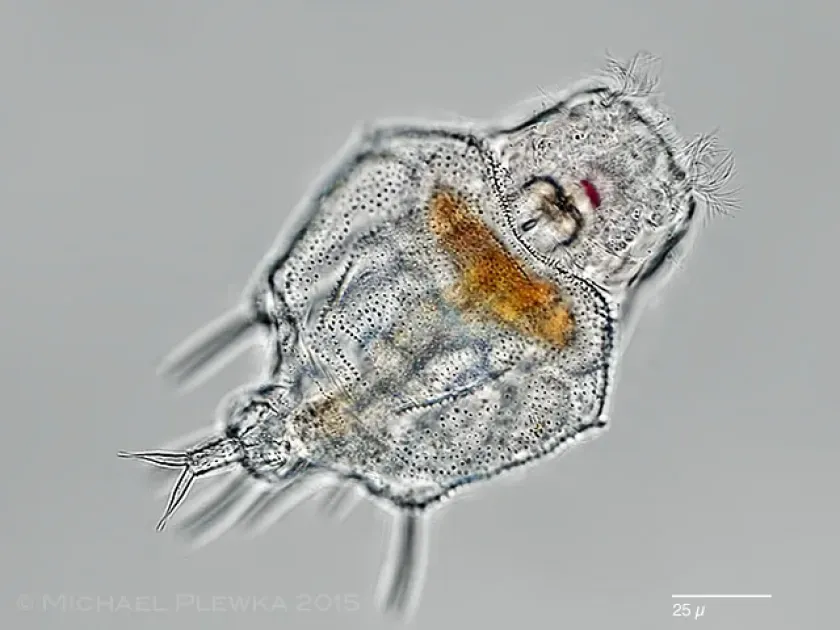
These organisms possess a distinct shell and long spines, making them identifiable under microscopic examination. They are not classified as typical insect pests, but rather as members of the aquatic fauna that disrupt the biological equilibrium of nutrient solutions.
Systematically, they belong to the family Macrochaetidae, within the order Ploima. Their life cycle and population density are directly dependent on the presence of organic matter in the water and the stability of the system's chemical parameters.
Adult individuals are extremely small, necessitating the use of specialized laboratory equipment for detection. Their presence is often identified only through a detailed analysis of the nutrient solution or root zone samples.
Understanding their biological traits is crucial for maintaining the sterility of closed-loop systems, as their proliferation serves as a clear indicator of a compromised ecosystem.
What it damages
The damage caused by Macrochaetus stems from resource competition and the formation of pathogenic biofilms on the root systems of plants. Affected plants experience significant growth inhibition due to damage to delicate root hairs.
Primary crops at risk include those cultivated via flow-through hydroponics or deep-water culture methods, such as lettuce, basil, and various leafy greens.
Secondary damage occurs because colonies of Macrochaetus can act as a substrate for the development of opportunistic bacteria and fungi. Root rot frequently develops as a consequence of secondary infections following initial epidermal damage.
The spread rate of this pest in closed systems is rapid, as they easily migrate with the flow of the nutrient solution. Failure to manage the population can lead to widespread infestation across the facility.
The impairment of water and mineral uptake processes leads to leaf chlorosis and stunted growth, severely impacting the market value and yield quality of the crops.
Signs of infestation
The first observable sign is the cloudiness of the nutrient solution within the hydroponic system. Visual inspection of the roots may reveal a thin, slimy film that is not typical for healthy plant root systems.
Plants start exhibiting symptoms of chlorosis caused by nutritional deficits, despite the solution composition being balanced. Root system development becomes lethargic or ceases entirely.
When removed from the substrate, roots may display a brownish discoloration instead of a healthy white. In advanced cases, a distinct unpleasant odor may be present, indicating the activity of accompanying microflora.
Microscopic analysis of water samples from the system is the most reliable method for confirming the infestation during early stages. It allows for the definitive identification of the organisms.
A decrease in dissolved oxygen levels in the water serves as an indirect indicator of biological contamination and colony development within the system.
Control measures
The primary control measure is strict disinfection of the entire circulation system. Regular cleaning of reservoirs, pipes, and channels using approved disinfecting agents is essential to break the pest cycle.
The installation of ultraviolet (UV) sterilizers in the solution supply circuit is highly recommended. UV irradiation effectively neutralizes these microscopic pests without leaving chemical residues on the produce.
Maintaining optimal pH and electrical conductivity (EC) levels helps create an environment less favorable for rotifer proliferation. A stable environment discourages pest establishment.
Upon detection of infestation, affected plants must be removed to prevent further spread. Complete replacement of the nutrient solution is often the most effective radical strategy for total system decontamination.
Biological control involves the use of beneficial antagonist microorganisms that compete with pests for space and nutrients, preventing them from colonizing the roots effectively.
Taxonomy
- Latin name
- Macrochaetus
- Family
- Trichotriidae
- EPPO code
- MKCHSP
Discussion
No discussions yet — be the first.