
Lycophotia molothina
Lycophotia molothina
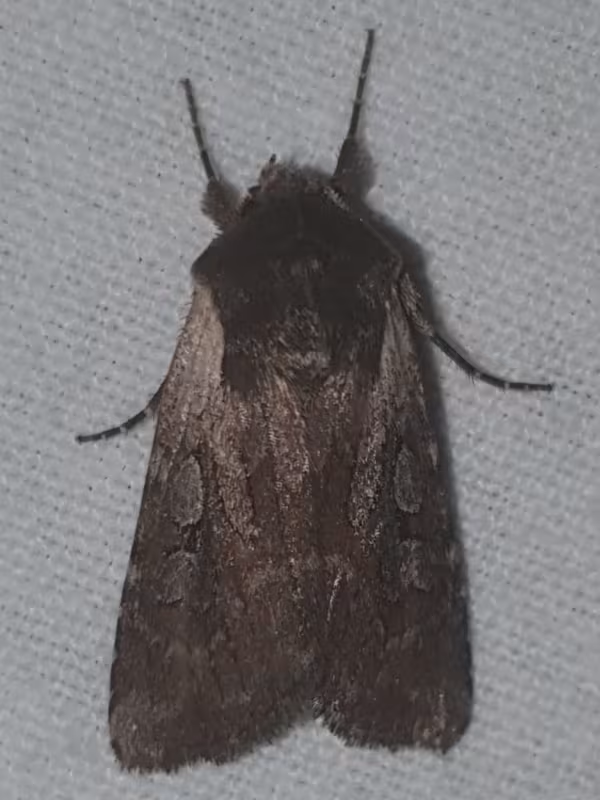
Description
How to identify
Lycophotia molothina is a moth belonging to the family Noctuidae, commonly known as the owlet moths. The adult moth is relatively small, with a wingspan typically ranging from 30 to 35 mm, and features cryptic coloration in shades of brown and grey to blend in with foliage.
The larvae, or caterpillars, are the primary damaging stage of this insect. They possess a cylindrical body with a coloration pattern that mimics their environment, making them difficult to spot during daylight hours when they remain hidden near the plant base or within dense foliage.
The life cycle follows a complete metamorphosis, including egg, larval, pupal, and adult stages. The timing and speed of these transitions are heavily influenced by local environmental conditions and the availability of host plants within the genus Erica and Calluna.
This species is well-adapted to habitats where heather and heath species thrive. The larvae have evolved to survive harsh winter conditions by undergoing diapause in the soil, which allows them to emerge quickly when spring temperatures rise.
Adult moths are nocturnal and are attracted to light sources at night. This behavior is often exploited by entomologists and farmers to monitor population densities using light traps throughout the summer breeding season.
What it damages
Lycophotia molothina larvae are specialized feeders that primarily target plants from the Ericaceae family, particularly heathers. In cultivated environments, they can cause significant distress to ornamental varieties used in landscape gardening.
Damage is characterized by the consumption of leaves and tender shoots, which results in stunted growth and a significant loss of aesthetic value. In severe infestations, the plant's structural integrity can be compromised due to extensive feeding.
Early-stage larvae typically skeletonize leaves by feeding on the epidermis, while older larvae consume entire leaves and succulent stems. This transition in feeding behavior can lead to rapid and noticeable thinning of the plant canopy.
Young plants or newly transplanted heather are particularly susceptible. Repeated defoliation prevents the plant from storing enough energy reserves, which often results in mortality during the following winter season.
Beyond direct physical damage, the wounding caused by larval feeding creates entry points for various phytopathogens, potentially leading to secondary fungal infections that further weaken the host plant's health.
When it appears
The adult moth flight period generally occurs during the summer months, specifically June and July. During this time, mating occurs and females lay eggs, often depositing them singly or in small groups on the host plant or nearby soil.
Larvae are most active during late summer and early autumn as they feed intensively to reach maturity before hibernation. This period is critical for observing the onset of damage in the field.
Winter is spent as a larva in the soil or protected under plant debris. Development resumes in early spring when the larvae start feeding on the new vegetative growth of the host plant, coinciding with the start of the gardening season.
Population dynamics are highly dependent on weather patterns. Warm, humid springs typically favor larval survival and development, whereas extreme temperature fluctuations can significantly curb the population growth for that season.
Effective management requires vigilance during the peak feeding phases in early spring and autumn. Monitoring the presence of frass or visible leaf damage provides a clear signal that the population is actively expanding.
Signs of infestation
The most reliable sign of a Lycophotia molothina infestation is the presence of frass (larval droppings) at the base of the plant. These dark pellets are often the first indicator that caterpillars are feeding above.
Skeletonized leaves, where only the veins remain, are a clear symptom of younger larvae. These patches usually appear as translucent spots on the leaves, which eventually turn brown as the tissue dies off.
Visible feeding notches or entire leaf sections missing are typical signs of older larvae. These bites usually occur along the leaf margins or on the tender tips of young shoots, leading to jagged edges.
Silk webbing may be observed where larvae have spun small shelters between leaves or stems. These retreats protect them during the day and help them hold onto the plant during inclement weather.
A general decline in the plant's vigor, characterized by yellowing or browning of the foliage at the tops, indicates that the larvae may be damaging the plant's vascular tissues or interfering with its nutrient transport.
Control measures
Good horticultural practice is the first line of defense. Removing weeds and cleaning up plant debris around heather patches eliminates the hiding spots larvae use during the day, making the area less attractive to the pests.
Mechanical control, such as hand-picking the larvae during night inspections with a flashlight, is highly effective for small-scale gardens and helps avoid the need for chemical interventions.
Biological control methods include the use of bacterial insecticides, such as Bacillus thuringiensis, which target the larvae specifically while remaining safe for beneficial insects like bees and predators.
Tilling or disturbing the topsoil in the autumn can expose overwintering larvae to predators like birds and ground beetles, or subject them to freezing temperatures, thereby reducing the population for the following year.
- Conduct regular nocturnal inspections during the spring.
- Use light traps to monitor and reduce adult moth presence.
- Maintain plant health to improve recovery after minor damage.
- Apply targeted bio-insecticides upon early detection of larvae.
Taxonomy
- Latin name
- Lycophotia molothina
- Order
- Lepidoptera (butterflies)
- Family
- Noctuidae
- EPPO code
- LYCOMO
Discussion
No discussions yet — be the first.