
Luperina
Luperina
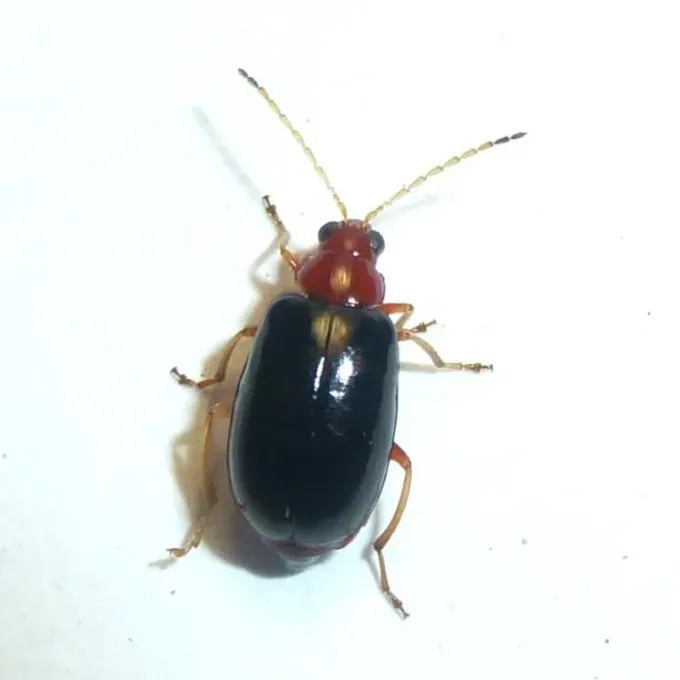
Description
How to identify
Luperina belongs to the Noctuidae family, commonly known as owlet moths, which includes numerous species that act as significant agricultural pests.
Adult moths are typically nocturnal with cryptic coloration, often appearing in shades of brown or grey to blend into bark, stems, and soil surfaces.
The larvae, known as cutworms, have a robust, cylindrical body structure that allows them to move efficiently through the soil profile or inside plant stems.
They possess strong mandibles adapted for chewing tough plant tissues, which facilitates their destructive feeding habits on subterranean and basal plant parts.
The pupal stage occurs within the soil, where the larva creates a protected cell to undergo metamorphosis before emerging as an adult moth.
What it damages
The primary damage is caused by the larvae, which are secretive pests that feed on the roots, crowns, and stems of various grasses and cereal crops.
Luperina species are known to attack cereals like wheat, barley, and rye, often causing localized destruction of crop stands within agricultural fields.
Feeding at the base of the plant leads to wilting, yellowing, and eventually the death of the main shoot, significantly reducing the crop's yield potential.
When infestation levels are high, the damage can become widespread, leading to thin and uneven crop stands that struggle to recover during the season.
Young plants are particularly vulnerable, as the destruction of the central shoot early in the growth stage prevents the plant from reaching maturity.
When it appears
Luperina species typically overwinter as larvae or sometimes pupae in the soil, providing them with protection against harsh winter temperatures.
Larval activity resumes in early spring as soil temperatures rise, prompting the caterpillars to begin feeding on young, emerging crop shoots.
The moth flight period usually occurs during the summer months, during which time mating and egg-laying take place on host plants or nearby weeds.
The life cycle can vary based on the specific species and local climate, with some species completing one generation per year while others may have more.
Monitoring for adults via light or pheromone traps during the summer is critical to predicting the emergence of the next generation of larvae.
Signs of infestation
The earliest signs of an infestation include the appearance of sudden wilting or yellowing patches within the field where plants seem to decline for no obvious reason.
Close inspection of the base of affected plants often reveals chewed stems or hollowed-out tissue, characteristic of the nocturnal feeding behavior of cutworms.
The presence of frass (larval excrement) in the soil near the base of the plant is another strong indicator of recent larval activity in the area.
Digging into the soil around the symptomatic plants often reveals the larvae, which typically curl into a defensive C-shape when disturbed.
The absence of disease symptoms combined with missing plants or severed stems in a localized pattern is a classic sign of cutworm activity.
Control measures
Cultural control, such as deep autumn plowing, is highly effective for exposing larvae to predators and unfavorable environmental conditions, reducing populations.
Maintaining fields free of weeds is essential, as many cutworm species utilize wild grasses as early-season food sources before moving into crops.
Chemical control involving systemic insecticides may be necessary during peak larval emergence, particularly when economic injury thresholds are exceeded.
Pheromone monitoring provides valuable data on moth activity, allowing farmers to time their interventions precisely for maximum efficacy against larvae.
Crop rotation practices, especially those that include non-host plants, help disrupt the pest's life cycle and lower the risk of future infestations.
Taxonomy
- Latin name
- Luperina
- Order
- Lepidoptera (butterflies)
- Family
- Noctuidae
- EPPO code
- LUPESP
Discussion
No discussions yet — be the first.