
Green fruitworm
Lithophane antennata
Description
How to identify
The green fruitworm (Lithophane antennata) is a moth belonging to the family Noctuidae, known for being a significant pest in fruit orchards across various regions.
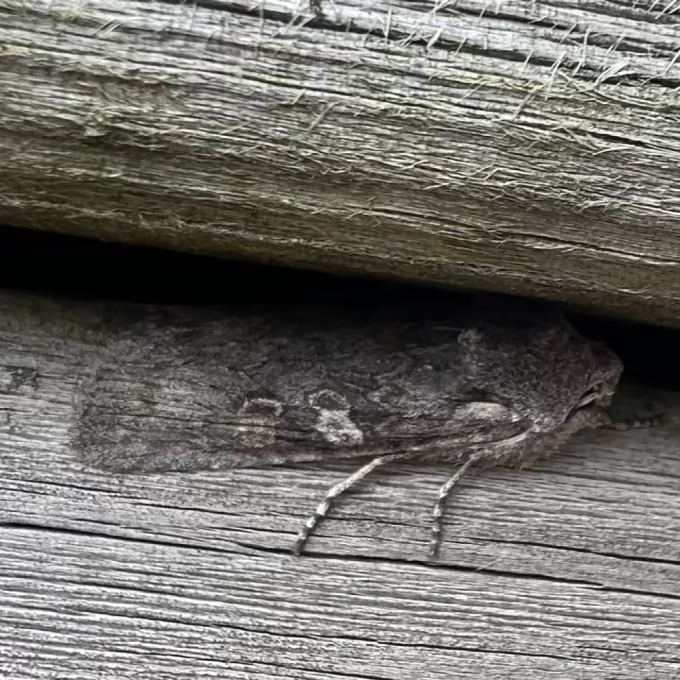
Adult moths are typically greyish-brown with intricate patterns on their forewings, providing excellent camouflage against tree bark during their nocturnal activities.
The larvae, or caterpillars, are the primary damaging stage. They are vibrant green with light longitudinal stripes, designed for perfect blending with foliage.
These caterpillars possess a smooth appearance with subtle setae and a head capsule matching the body, often making them difficult to spot during daylight.
Pupae are reddish-brown and typically reside in the soil or leaf litter beneath host trees, serving as the overwintering stage for the species.
What it damages
As a polyphagous insect, the green fruitworm feeds on a wide range of woody plants, with a strong preference for members of the Rosaceae family.
Major host crops include apples, pears, plums, and cherries, where the insect can cause substantial economic losses through direct feeding on plant tissues.
Early-stage larvae typically begin by skeletonizing the leaves, which hinders the tree's ability to produce energy through photosynthesis during critical growth phases.
As the caterpillars mature, they move on to devour buds, flowers, and developing fruit, leaving behind deep, crater-like holes that make fruit unmarketable.
Severe infestations can lead to significant fruit drop and structural damage to the buds, which may result in reduced yields and weakened trees.
When it appears
The life cycle of the green fruitworm is tightly synchronized with the phenology of its host fruit trees, beginning with the emergence of adults in early spring.
Eggs are laid on the bark or buds, and the hatching of larvae coincides perfectly with the bud-break stage of the trees, providing immediate food access.
Feeding activity is most intense during the bloom and post-bloom periods when the young larvae grow rapidly on the succulent tissues of the new growth.
By late spring or early summer, the larvae finish their development and migrate to the soil to pupate, entering a period of summer dormancy.
Orchard managers should monitor tree conditions starting from the green-tip stage through the post-blossom period to catch infestations early.
Signs of infestation
The first signs of an infestation include ragged or skeletonized leaves and buds that appear empty or have small, precise holes drilled into them.
Small dark frass (excrement) pellets on the foliage or on the ground beneath the canopy are clear indicators that larvae are actively feeding in the tree.
Developing fruits often show deep, irregular cavities that eventually scar over as the tree attempts to heal the wound, causing deformation of the mature fruit.
Nocturnal visual inspections with a flashlight can reveal the caterpillars actively crawling on branches and feeding on buds or developing fruit clusters.
A sudden, unexplained drop of young fruitlets in the orchard is another classic sign of fruitworm damage, often caused by feeding on the pedicel or base.
Control measures
Cultural control methods such as autumn soil cultivation can disrupt the pupae in the soil, effectively reducing the next spring's population of adults.
Mechanical control options, including the use of sticky bands around tree trunks, can prevent larvae from moving back and forth in the canopy.
Biological control using Bacillus thuringiensis (Bt) sprays is highly effective and selective, targeting larvae while sparing beneficial insects in the orchard.
Chemical control should be employed only when monitoring indicates the population has reached an economic threshold, usually focusing on early-season sprays.
Using pheromone traps helps in monitoring the flight patterns of adult moths, allowing for precise timing of interventions and more efficient pest management.
Taxonomy
- Latin name
- Lithophane antennata
- Order
- Lepidoptera (butterflies)
- Family
- Noctuidae
- EPPO code
- LITPAN
Discussion
No discussions yet — be the first.