
Lithophane
Lithophane
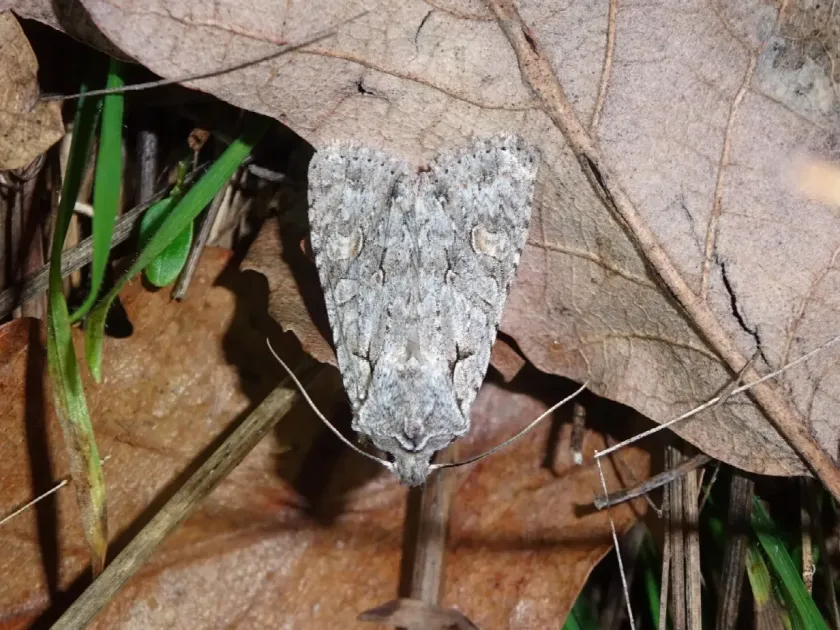
Description
How to identify
Lithophane is a genus of moths belonging to the family Noctuidae. These moths are well-known for their cryptic coloration, which perfectly mimics tree bark, providing them with excellent camouflage during the daylight hours.
The larvae, or caterpillars, often display green, brown, or mottled patterns that blend seamlessly with the foliage or stems of their host plants, making them difficult to detect.
The life cycle consists of four stages: egg, larva, pupa, and adult. Many species in this genus overwinter as adults, tucked away in crevices or under debris, emerging early in the spring to mate and lay eggs.
These moths are highly adapted to temperate climates, often showing activity during cooler spring temperatures when other insects are still dormant.
Field identification is frequently performed using light traps, which attract the nocturnal adults, allowing agronomists to assess population density and species composition in the area.
What it damages
The primary damage is caused by the larval stage, which feeds on the foliage, buds, and occasionally the flowers of host plants. They are primarily associated with deciduous trees and fruit-bearing species.
Feeding damage is particularly severe during the bud-break period in spring. Larvae consume the developing buds, which can significantly affect the subsequent leaf development and overall tree vigor.
Host plants commonly include apple trees, pears, and various forest species such as oak, birch, and willow. In high densities, they can cause extensive defoliation.
Continuous feeding leads to a reduction in the photosynthetic capacity of the plant, which may stunt shoot growth and decrease the yield in commercial fruit orchards.
Wounds created by feeding larvae provide entry points for secondary fungal and bacterial infections, potentially leading to branch dieback and further health complications for the tree.
Signs of infestation
Early signs of infestation include irregular holes in the newly emerged leaves, which become more frequent as the larvae continue their development.
Frass (larval droppings) found on the leaves or the ground beneath the canopy is a clear indicator that feeding is occurring nearby.
A closer inspection of the branches during the early morning might reveal the larvae, which typically hide from predators under leaves or near the base of the shoots during the day.
A decrease in canopy density or the presence of withered, skeletalized leaves often indicates that an infestation has been active for some time.
In cases of severe infestation, the stunted appearance of new terminal growth is a common symptom observed during the height of the spring growing season.
Control measures
Effective control strategies start with cultural practices, such as removing debris and scraping loose bark from tree trunks to eliminate overwintering sites for the adults.
Encouraging natural predators, such as insectivorous birds and parasitic wasps, plays a vital role in maintaining the pest population below economic damage thresholds.
In cases of heavy infestation, targeted insecticide applications are recommended, specifically timed to coincide with the nocturnal feeding activity of the larvae.
Monitoring populations through pheromone or light traps helps in determining the precise timing for intervention, ensuring maximum efficiency while minimizing environmental impact.
- Regular monitoring of tree canopy during the early spring.
- Manual removal of larvae in small-scale orchards or nursery settings.
- Applying systemic or contact insecticides during the evening hours.
Taxonomy
- Latin name
- Lithophane
- Order
- Lepidoptera (butterflies)
- Family
- Noctuidae
- EPPO code
- LITPSP
Discussion
No discussions yet — be the first.