
Liponeura
Liponeura
Description
How to identify
Liponeura is a genus of net-winged midges belonging to the family Blephariceridae and the order Diptera. These insects are highly specialized to live in fast-flowing streams and rivers.
Adult midges are small, featuring specific wing structures that allow them to fly near turbulent water, which is their primary habitat during their lifecycle.
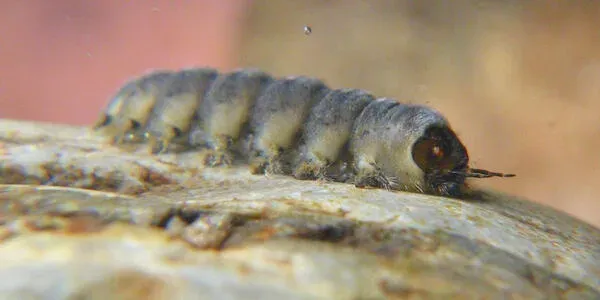
The larvae are easily identified by the presence of ventral suckers, which are adaptations that allow them to cling to rocks in very swift water currents.
The entire life cycle is strictly tied to running water environments, meaning their distribution is limited to specific ecological niches with high oxygen levels.
They are widely used by ecologists as bioindicators, as their presence confirms that the water quality in a specific stream is high and unpolluted.
What it damages
Liponeura does not cause direct damage to agricultural crops, as their larvae feed primarily on periphyton and algal growth on submerged rocks.
Adult insects are not phytophagous and do not have the mouthparts required to consume or damage the leaves, stems, or roots of cultivated plants.
There is no evidence of Liponeura acting as a pest in any commercial or hobby gardening scenario, and they pose no threat to food production.
Their interaction with agricultural land is non-existent, making them a neutral species in the context of agronomy and plant pathology.
Consequently, no crop damage assessments or economic thresholds for this insect have been established in the field of crop protection.
When it appears
The activity of adult midges usually occurs during the summer months when environmental temperatures are conducive to mating and egg-laying.
The larval stage remains active throughout the year, though metabolic processes slow down significantly during the colder winter months.
Emergence patterns are closely linked to the hydrological cycle of the streams, often coinciding with lower water levels that expose suitable substrates.
In temperate zones, the seasonal development is predictable and strictly regulated by the thermal conditions and flow dynamics of the water habitat.
Their lifecycle duration is heavily dependent on water temperature, which acts as the primary limiting factor for their seasonal biological activity.
Control measures
No protection measures are necessary, as Liponeura is not considered a threat to crops and does not require pest control interventions.
The application of insecticides is strongly discouraged, as such chemicals would have devastating effects on the aquatic ecosystems where these insects reside.
Agronomic control methods are irrelevant for this species because it does not inhabit fields or interact with any vegetation utilized in agriculture.
Monitoring is only recommended in the context of aquatic environmental assessment to ensure that local ecosystems remain healthy and stable.
The best approach for farmers and growers is to ignore these insects entirely, as they are beneficial components of riverine ecosystems.
Taxonomy
- Latin name
- Liponeura
- Order
- Diptera (flies)
- Family
- Blepharoceridae
- EPPO code
- LPNRSP
Discussion
No discussions yet — be the first.