
Leucoplema dohertyi
Leucoplema dohertyi
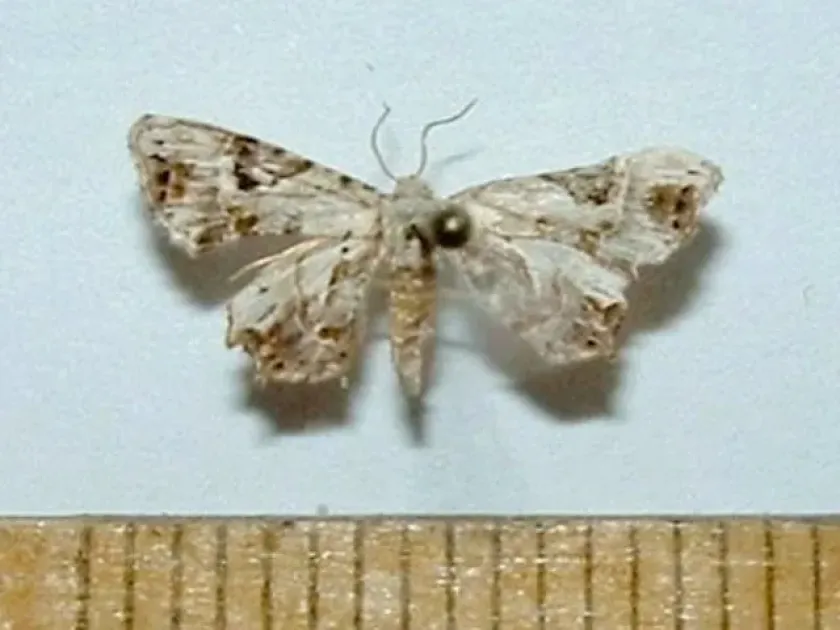
Description
How to identify
Leucoplema dohertyi is a moth species belonging to the Uraniidae family, subfamily Epipleminae. These insects are primarily recognized by their cryptic appearance, which serves as a highly effective camouflage mechanism.
Adult moths typically feature complex wing patterns that mimic tree bark or withered leaves, allowing them to remain undetected during daylight hours while resting on host plants.
The life cycle follows the classic holometabolous pattern: egg, larva, pupa, and adult. Each stage of development is adapted to specific environmental conditions, making the pest resilient in its natural habitat.
Identification is primarily based on morphological traits such as wing venation and specific genital structures, which are critical for taxonomic classification within the Uraniidae family.
Because the species is often found in specific geographical regions, its biology is frequently tied to local host plant availability, which influences its seasonal population density.
What it damages
The larval stage of Leucoplema dohertyi is the primary cause of concern for agronomists. These larvae feed voraciously on the foliage of trees and shrubs, leading to significant defoliation.
By consuming leaves, the larvae disrupt the plant's ability to perform photosynthesis, which stunts growth and reduces the overall vigor of the host plant throughout the growing season.
Young plants, especially those in nurseries, are at the highest risk. Damage to the terminal buds can lead to irregular branching and permanent deformation of the plant structure.
Furthermore, the physical damage caused by larvae creates entry points for secondary infections, such as fungi and bacteria, which can cause further tissue necrosis in the host plant.
In cases of severe infestation, the loss of leaf mass leads to a decrease in aesthetic value for ornamental trees and a reduction in fruit production for susceptible fruit-bearing species.
Signs of infestation
The most evident sign of a Leucoplema dohertyi infestation is the presence of irregular holes and skeletonized leaf surfaces, characteristic of active larval feeding.
Visible deposits of larval frass (droppings) on the leaves or the ground beneath the canopy are strong indicators of an ongoing infestation that requires immediate attention.
Larvae often use silk to bind adjacent leaves together, creating small protective nests. These shelters are easily spotted during routine field inspections and indicate where larvae are sheltering.
A decline in the general health of the tree, manifesting as yellowing foliage or premature leaf drop, can indicate that the larval population has reached a damaging threshold.
Increased activity of adult moths near outdoor lighting at night during certain times of the year can serve as a warning sign for potential future larval outbreaks.
Control measures
Biological control represents the most sustainable management strategy. The application of bio-insecticides containing Bacillus thuringiensis or entomopathogenic fungi has proven effective against lepidopteran larvae.
When biological methods are insufficient, targeted applications of systemic insecticides during the peak of larval hatching can drastically reduce the population and minimize crop losses.
Cultural practices are essential for long-term prevention. This includes the pruning and safe disposal of infested branches, which helps remove overwintering pupae from the orchard or landscape.
Promoting a diverse ecosystem encourages natural predators, such as insectivorous birds and parasitic wasps, which act as a natural check on the pest's population growth.
- Regular canopy monitoring to detect early signs of damage.
- Use of pheromone or light traps for population monitoring.
- Maintenance of plant health to improve natural resistance to pests.
Taxonomy
- Latin name
- Leucoplema dohertyi
- Order
- Lepidoptera (butterflies)
- Family
- Epiplemidae
- EPPO code
- LEUMDO
Discussion
No discussions yet — be the first.