
Lauria
Lauria
Description
How to identify
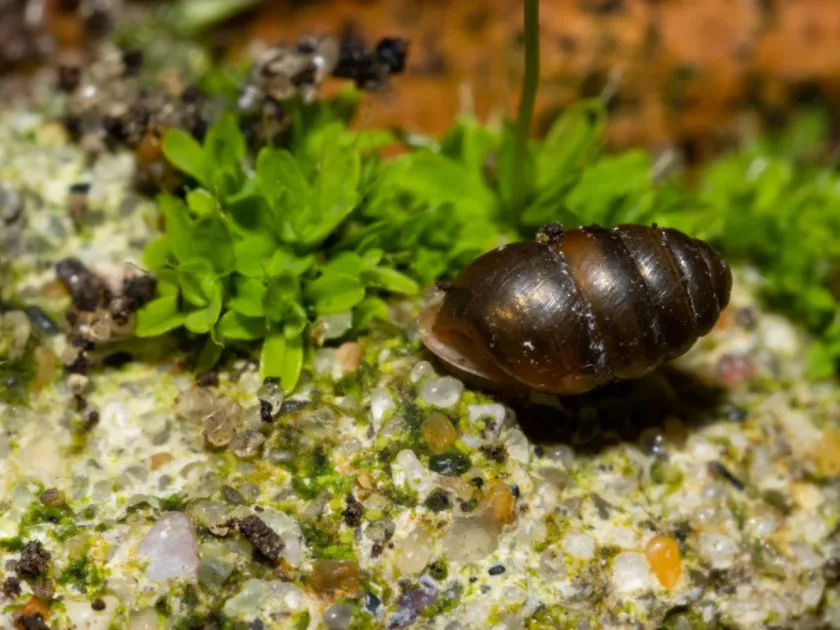
Lauria is a genus of land snails belonging to the family Lauridae. These small gastropods are often overlooked in agricultural settings due to their cryptic behavior and small size.
The shells of Lauria are typically cylindrical or conical, often brownish, which helps them blend seamlessly into leaf litter, soil, and organic debris.
Being nocturnal and moisture-dependent, these snails spend most of their time in humid microhabitats, deep within the soil or under protective covers like rocks and wood.
Their life cycle is closely linked to precipitation and humidity levels, with egg-laying occurring in damp soil pockets during favorable seasons.
Young snails emerge with fully formed, albeit small, shells and begin feeding immediately on tender plant tissues found in their immediate vicinity.
What it damages
Lauria poses a threat to various crops, specifically targeting seedlings, young leaves, and tender shoots that are close to the soil surface.
In greenhouses, where humidity is consistently high, these snails can thrive and cause significant damage to young plants by consuming foliage and stems.
The feeding activity involves scraping plant tissues with a radula, which leaves behind irregular holes and jagged edges on the leaves.
Beyond direct consumption, the slime trails and the presence of these snails promote the transfer of soil-borne pathogens, increasing the risk of secondary plant diseases.
Severe infestations can lead to stunted growth or total loss of young seedlings, affecting the overall density and health of the crop plantation.
When it appears
Activity is most pronounced during the spring and summer months, particularly during periods of high rainfall and overcast weather.
Snails are primarily active at night or during the early morning hours when dew is present, as this prevents their soft bodies from dehydrating.
During the autumn, activity may remain high until temperatures drop, prompting the snails to seek shelter in deeper soil layers for hibernation.
In protected cultivation environments like greenhouses, Lauria can remain active throughout the entire year if irrigation ensures sustained soil moisture.
Population spikes are typically correlated with prolonged wet spells, which provide optimal conditions for both feeding and rapid reproduction.
Signs of infestation
The most visible sign of Lauria presence is the appearance of irregular holes on the leaves of low-growing plants or seedlings.
A shiny, silvery trail of dried mucus left on soil or foliage is a diagnostic indicator of gastropod activity within the garden or field.
Affected plant tissues often show signs of rapid decay or browning around the edges of the consumed areas, sometimes attracting further fungal growth.
Searching under debris, damp boards, or mulch layers during early morning hours often reveals the presence of these small snails.
A decline in plant vigor combined with eaten stem bases is a clear indicator that snails are feeding and damaging the crop roots or base.
Control measures
Cultural control is the most effective strategy: frequent weeding, removal of plant debris, and soil aeration help destroy snail habitats and expose them to drying conditions.
Implementing proper drainage systems prevents waterlogging, which is critical for making the environment less hospitable to moisture-loving mollusks.
Manual collection in the evening or using specialized traps (such as bait containers) can effectively reduce populations on smaller garden plots.
Chemical control using molluscicides, such as metaldehyde-based baits or iron phosphate, can be employed when infestation levels exceed economic thresholds.
- Maintain clear borders around garden beds to reduce snail migration.
- Use physical barriers like wood ash or crushed gravel to deter snail movement.
- Encourage natural predators such as ground beetles, birds, and hedgehogs to visit the area.
Taxonomy
- Latin name
- Lauria
- Order
- Molluscs
- Family
- Lauriidae
- EPPO code
- LAURSP
Discussion
No discussions yet — be the first.