
Lacinipolia meditata
Lacinipolia meditata
Description
How to identify
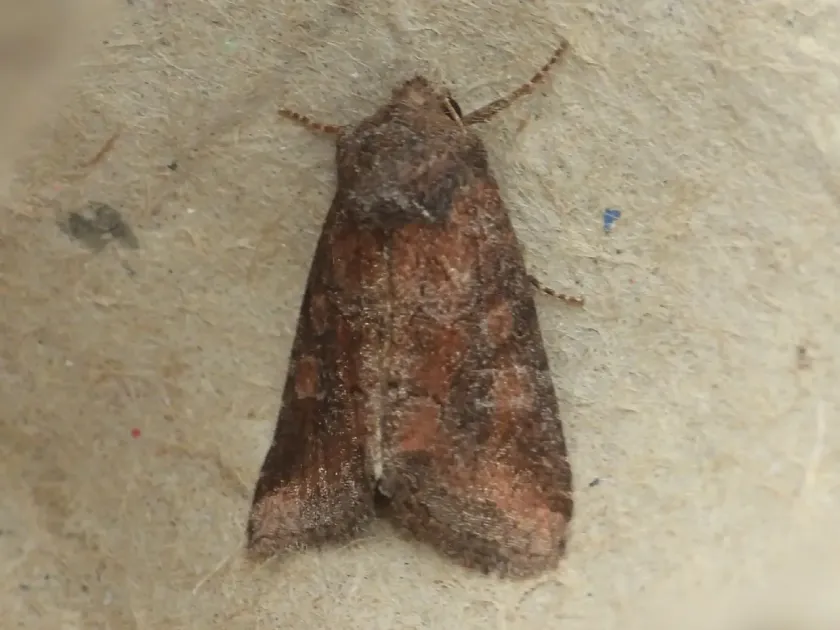
Lacinipolia meditata is a nocturnal moth belonging to the Noctuidae family of the order Lepidoptera. The adult insect possesses a characteristic protective coloration that helps it remain hidden on the soil surface and among plant debris during daylight hours.
The wings of the imago are usually colored in grayish-brown or dusky tones, providing excellent camouflage. The wingspan is average for this group of moths, and the overall body morphology is typical for terrestrial species living in agricultural ecosystems.
The larvae, or caterpillars, are the primary stage for identification in the field. They have a cylindrical body with coloration ranging from greenish to brown, often featuring longitudinal stripes along the back and sides.
The caterpillar's head is hardened and equipped with powerful chewing mouthparts. This allows the pest to actively feed on the vegetative parts of plants throughout its development until the pupation stage.
The development cycle consists of a complete metamorphosis: egg, caterpillar (several instars), pupa, and imago. Pupae typically form in the soil, providing them with additional protection against adverse environmental factors.
What it damages
This pest affects a wide range of cultivated plants, particularly cereal grains, corn, and some legumes. Both young seedlings and established vegetative organs of mature plants are at risk.
The greatest economic damage is caused by caterpillars, which are primarily nocturnal, becoming active in the dark. During the day, they often hide in the root zone or under plant residues.
By feeding on leaf tissues, caterpillars can cause significant defoliation, which reduces the plant's photosynthetic capacity and consequently leads to crop loss. In some cases, the reproductive organs may also be damaged.
Damage to the root collar or stems of young plants can be fatal, causing wilting and death. This is particularly dangerous during periods when plants have low regenerative capacity.
Mass reproduction of the pest in large areas can lead to localized destruction of crops, requiring urgent intervention by plant protection specialists.
When it appears
Adult activity occurs during the summer months when favorable temperature conditions allow for mating and egg-laying. The development cycle is closely tied to the growing season of major agricultural crops.
Early-instar caterpillars appear shortly after hatching and begin active feeding. The period of most intense crop damage typically falls in the second half of summer, correlating with the active growth phases of the plants.
Weather factors, such as high humidity and moderate temperatures, can significantly influence reproduction rates and larval survival. Arid periods, by contrast, may suppress population expansion.
The overwintering stage in the life cycle of this insect is the pupa or the final-instar larva located in the soil. In spring, as the soil warms up, development resumes, and the cycle repeats.
Monitoring for the presence of the pest requires regular field surveys using pheromone traps or visual inspections of plants for feeding marks and egg clusters.
Signs of infestation
The first sign of infestation is the typical chewing damage on the leaf blade, appearing as irregular holes or ragged edges. In cases of high pest density, leaves may be consumed down to the veins.
- Presence of caterpillar excrement on the soil beneath damaged plants.
- Wilting or lodging of young plants due to stem damage.
- Detection of caterpillars when examining the soil surface during evening or early morning hours.
- Presence of webbing or curled leaves (depending on the larval developmental stage).
It is important to pay attention to the state of the root zone, as late-instar caterpillars often congregate there during the day. Regular inspection of field edges helps detect the pest in the early stages of invasion.
Control measures
Agrotechnical control methods include high-quality soil cultivation (such as autumn plowing), which destroys overwintering pupae and larvae, significantly reducing the total population for the next season.
Crop rotation is an essential factor in breaking the pest's life cycle. Avoiding the cultivation of susceptible crops in the same plot for several years limits the insect's food supply.
The biological control method involves the use of entomophages, such as predatory insects and parasitic Hymenoptera, which naturally suppress noctuid moth populations in agroecosystems.
When the economic injury threshold is reached, contact and systemic insecticides are applied. The choice of chemical depends on the pest species composition and the current growth stage of the crop.
Insecticide application should target the most vulnerable developmental stages, specifically the early caterpillar instars, to ensure maximum efficacy while minimizing ecological risks.
Taxonomy
- Latin name
- Lacinipolia meditata
- Order
- Lepidoptera (butterflies)
- Family
- Noctuidae
- EPPO code
- POLIME
Discussion
No discussions yet — be the first.