
Lacinipolia
Lacinipolia
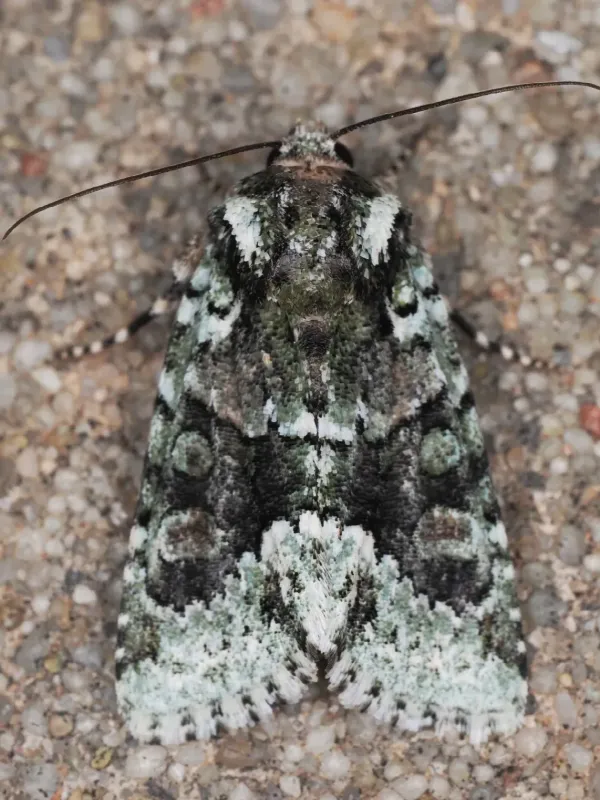
Description
How to identify
Lacinipolia is a genus of moths belonging to the Noctuidae family, commonly known as owlet moths. These insects are well-adapted to various environments, with adults displaying cryptic coloration that helps them remain camouflaged during daylight hours.
The larval stage, or caterpillar, is the primary destructive phase. These larvae are typically robust and can vary in color from pale gray to dark brown or green, depending on the species and the environment.
The life cycle encompasses four distinct stages: egg, larva, pupa, and adult. Many species within this genus can produce multiple generations per growing season, depending on climate conditions.
Pupation usually occurs in the soil, where the larvae construct protective chambers to survive through periods of dormancy or winter conditions.
Adult moths are nocturnal and primarily active during the night, when they mate and lay eggs on host plants or near the soil surface surrounding them.
##damage##Lacinipolia larvae are polyphagous pests, meaning they feed on a wide variety of plants, including many important agricultural crops such as grains, vegetables, and ornamental species.
Seedlings and young plants are particularly susceptible to damage, as larvae may consume the stems at the soil level, leading to sudden plant death and significant stand loss.
Leaf feeding is also common, with larvae skeletonizing the foliage or creating large, irregular notches in the leaves, which significantly reduces the photosynthetic capacity of the plants.
When populations reach high levels, they can cause severe defoliation, which negatively impacts plant vigor, development, and overall yield potential at harvest.
Some species target the reproductive structures of plants, damaging buds, flowers, and developing fruits, which results in direct economic loss for producers.
##signs##The most noticeable sign of a Lacinipolia infestation is the presence of shredded or skeletonized foliage, accompanied by dark, pellet-like frass (excrement) found on the soil or leaves.
Plants that appear to have been cut off at the base of the stem, often lying flat on the soil surface, are a classic symptom of cutworm-type feeding behavior common in this genus.
Nighttime scouting with a flashlight often reveals the presence of larvae actively feeding on the foliage, as they typically retreat to the soil or debris during the heat of the day.
Adult moth activity near light sources or pheromone traps serves as an early warning sign that egg-laying is occurring and that monitoring for larvae should be prioritized.
Localized patches of damaged or stunted plants often indicate where the larvae are clustered, moving outward as they exhaust their food source in a specific area.
##control##Effective management begins with cultural practices, such as deep tillage after harvest, which disrupts the soil and exposes pupae to predators and environmental stress.
Weed management is critical, as diverse weed populations provide alternative food sources and shelter for young larvae, facilitating their survival and establishment in a field.
Chemical control should be employed based on economic thresholds, using targeted insecticides applied at the appropriate larval stage to ensure maximum efficacy and minimize impact on non-target species.
Biological control options, including the use of B. thuringiensis (Bt) based formulations, offer a more environmentally friendly alternative for controlling young caterpillars without leaving harmful residues.
Regular monitoring using light traps or pheromone baits is essential for timing interventions correctly, ensuring that the control measures are applied when the pest population is most vulnerable.
Taxonomy
- Latin name
- Lacinipolia
- Order
- Lepidoptera (butterflies)
- Family
- Noctuidae
- EPPO code
- LCNPSP
Discussion
No discussions yet — be the first.