
Lacanobia subjuncta
Lacanobia subjuncta
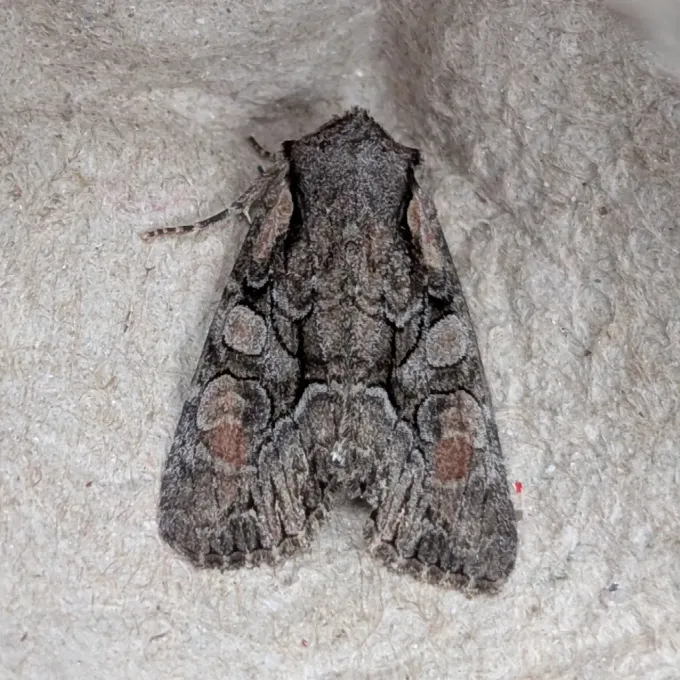
Description
How to identify
Lacanobia subjuncta, often referred to as the cabbage moth or a type of garden moth, belongs to the family Noctuidae. The adult moth features a wingspan of approximately 40 mm with mottled brown and grey wing patterns.
The larvae, or caterpillars, reach lengths of up to 50 mm. They are typically smooth-skinned with colorations ranging from pale green to dark brown, allowing them to blend into their host plants efficiently.
The life cycle encompasses egg, larval, pupal, and adult stages. The species overwinters as a pupa within the soil, enclosed in a robust cocoon that provides protection against winter frosts.
Adult moths emerge in late spring or early summer. Females deposit eggs in clusters on the undersides of leaves, ensuring that hatching larvae have immediate access to food sources.
Depending on the latitude and climate, this pest can complete one or two generations per year, with the second generation often causing more significant damage to late-season crops.
What it damages
This polyphagous pest targets a wide range of plants, including cruciferous vegetables, legumes, and several grain varieties, making it a persistent challenge for farmers.
Early-stage larvae primarily feed on leaf tissues, causing skeletonization. As they mature, their appetite increases, leading to significant defoliation and reduction in overall plant vigor.
The most severe damage occurs when late-instar larvae consume entire leaf blades or girdle young stems, causing the plant to collapse and perish completely.
Feeding on reproductive structures, such as flowers and fruits, drastically reduces yield quality and quantity, creating direct economic losses for the grower.
In addition to direct feeding damage, the wounds created by the larvae serve as entry points for secondary infections, including soft rot bacteria and various fungal pathogens.
Signs of infestation
Common signs of infestation include irregular holes in the leaves, starting as small patches and progressing to large, ragged defoliation patterns throughout the foliage.
Frass (larval droppings) accumulating on leaves or on the soil surface near the base of the plant is a clear indication that a caterpillar population is actively feeding.
Sudden wilting of healthy-looking plants often signals that a larva has damaged the root collar or stems, disrupting the plant's water and nutrient transport system.
Searching for larvae at night using a flashlight is often the best way to confirm their presence, as they are nocturnal and seek shelter in soil or leaf litter during the day.
The presence of egg clusters on the underside of leaves during inspection is an early warning sign that indicates the need for preventive monitoring and control measures.
Control measures
Cultural control strategies include deep autumn plowing to expose pupae to freezing temperatures and natural predators, which significantly reduces the over-wintering population.
Weed management is critical, as many common weeds serve as secondary hosts that sustain the pest population during the early stages of the growing season.
Biological control methods, such as the application of Bacillus thuringiensis, are highly effective against young larvae and are safer for the surrounding environment.
Chemical intervention should be based on economic thresholds determined by pheromone traps. When necessary, insecticides should be applied during the evening hours to maximize contact.
Recommended integrated pest management strategies include:
- Crop rotation with non-host species.
- Utilization of beneficial insects like Trichogramma wasps.
- Regular field monitoring during flight peaks.
- Cleaning up crop residues immediately after harvest.
Taxonomy
- Latin name
- Lacanobia subjuncta
- Order
- Lepidoptera (butterflies)
- Family
- Noctuidae
- EPPO code
- POLISU
Discussion
No discussions yet — be the first.