
Jaspidia distinguenda
Jaspidia distinguenda
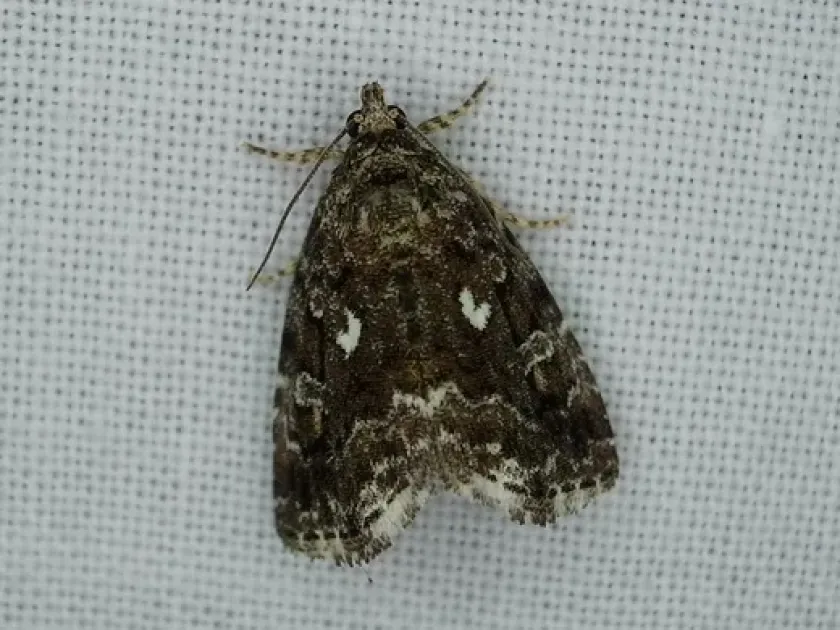
Description
How to identify
Jaspidia distinguenda is a moth species belonging to the order Lepidoptera and the family Noctuidae. It is characterized by specific wing patterns that provide excellent camouflage against various plant surfaces, making detection difficult.
Adult moths display typical morphology for the Acontiinae subfamily. They are relatively small, with wing colorations varying between grey and brownish tones, which blend seamlessly with their natural habitat.
The larvae, or caterpillars, undergo several molting stages, gradually increasing in size. Their morphological features and color variations at different instars serve as key diagnostic indicators during field surveys.
The life cycle involves complete metamorphosis, consisting of the egg, larva, pupa, and adult (imago) stages. The duration of these phases is highly dependent on environmental factors, particularly ambient temperature and humidity.
Hibernation usually occurs in the pupal stage, with the insects overwintering in the soil or within plant debris, which protects them from extreme winter temperatures.
##damage##This pest is known for its trophic activity, causing damage to both wild plants and various agricultural crops. The primary damage is inflicted by the larvae, which possess strong chewing mouthparts.
Host plants often include cereal crops, fodder grasses, and some vegetable varieties. Feeding larvae significantly reduce the leaf surface area, which hinders photosynthesis and retards plant growth.
Beyond leaf consumption, the larvae may feed on generative parts, such as buds and flowers. This results in reduced yield quantity and degradation of the final crop quality.
Mechanical damage caused by feeding creates entry points for various pathogens, including fungi and bacteria, which can lead to secondary infections within the damaged plant tissues.
In cases of high population density, these larvae can cause severe economic losses by quickly stripping foliage or destroying essential plant structures if left unmanaged.
##season##Adult activity generally spans from late spring through early autumn, depending on the climatic zone and the number of generations produced per year.
Peak flight periods often coincide with the flowering stages of target crops. This is a critical time for monitoring and setting up traps to assess population levels before egg-laying occurs.
A temperature range of 20–25 degrees Celsius is considered optimal for development. High humidity levels may further accelerate larval growth, though extreme wetness can sometimes favor natural entomopathogenic agents.
Larvae are primarily nocturnal or crepuscular feeders, moving from their daytime hiding spots in the root zone or leaf folds to feed during the cooler hours of the night.
Towards the end of the season, larvae undergo pupation and enter diapause, signaling the conclusion of the active feeding season for this particular pest.
##signs##The most common indicator of a Jaspidia distinguenda infestation is the presence of irregular "window" feeding or ragged edges on the leaves caused by young larvae.
Visible frass (excrement) on the leaf surface or within the leaf axils is a clear diagnostic sign of active larval presence, even if the larvae are not immediately visible during daytime inspections.
Wilted or deformed growing tips and stunted development of young plants may indicate feeding activity concentrated on the terminal buds or internal tissues of the crop.
Early morning visual inspections are the most effective way to detect the larvae, as they are often more exposed on the foliage before retreating to soil or leaf litter for the day.
The presence of predators or parasitic insects often correlates with higher pest densities, serving as a biological indicator of an active infestation in the field.
##control##Cultural control methods, such as deep autumn plowing, are highly effective in disrupting the pupal overwintering sites in the soil, thereby reducing the population size for the following season.
Crop rotation and the removal of weeds from field margins help eliminate alternative food sources and reduce the overall attractiveness of the area to the moths.
Biological control, including the application of Bacillus thuringiensis or the use of parasitoids like Trichogramma wasps, provides an environmentally sustainable way to manage larval populations.
Chemical control should be implemented only when scouting confirms that pest density has reached the economic threshold, using authorized insecticides such as pyrethroids or neonicotinoids.
Integrated pest management (IPM) strategies, including pheromone trapping and regular monitoring, allow for precise timing of interventions, minimizing the need for broad-spectrum chemical sprays.
Taxonomy
- Latin name
- Jaspidia distinguenda
- Order
- Lepidoptera (butterflies)
- Family
- Noctuidae
- EPPO code
- JASPDI
Discussion
No discussions yet — be the first.