
Jaspidia deceptoria
Jaspidia
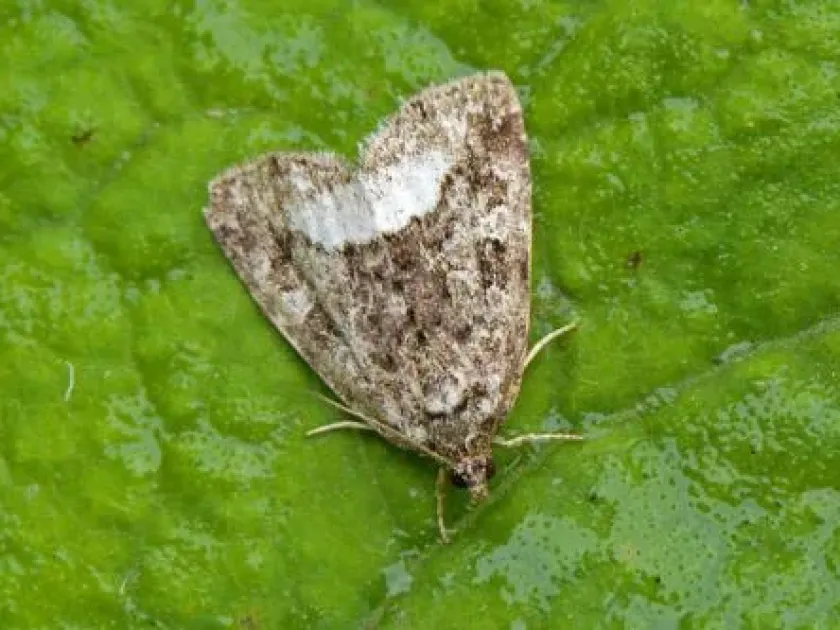
Description
How to identify
Jaspidia deceptoria is a moth species belonging to the family Noctuidae. It is recognized as a potential agricultural pest due to its larval stage, which feeds on various herbaceous plants.
The adult moth has a wingspan of approximately 25–30 mm. Its forewings are marked with intricate, mottled patterns resembling jasper stone, which serves as a camouflage against bark or dry foliage.
The life cycle of the moth typically involves four distinct stages: egg, larva, pupa, and adult. Each stage is influenced by environmental conditions, particularly temperature and humidity levels.
The larvae are characterized by their chewing mouthparts and cylindrical bodies, which often blend in with the host plant's structure. They primarily emerge and feed during the night or twilight hours.
Adults are nocturnal and are highly attracted to artificial light sources. This behavior is crucial for entomologists and farmers who use light traps to monitor population dynamics throughout the season.
What it damages
This species is known to affect various cereals and some vegetable crops. The larvae, as polyphagous feeders, can adapt to different plant species depending on their availability in the environment.
Young larvae often begin by scraping the leaf epidermis, leaving behind small, translucent windows. This initial damage is subtle but indicates the onset of an infestation that requires immediate attention.
As they mature, the larvae consume entire leaf sections, creating irregular and jagged holes. This significantly reduces the leaf surface area available for photosynthesis, impacting the plant's overall health.
In cases of high density, larvae may target the growing points or reproductive structures of the plant. Such damage is particularly critical for young seedlings, which may suffer from stunted growth or mortality.
Crop quality can also be compromised if the feeding occurs on fruits or grains. This leads to both quantitative losses and a decrease in the market value of the harvested produce.
When it appears
The flight activity of the adults generally occurs between late spring and mid-summer. The moths thrive in moderate temperatures, typically ranging from 18 to 25 degrees Celsius.
The duration of the developmental stages can vary significantly depending on local climate conditions. In warmer regions, the species may complete two generations within a single growing season.
Overwintering occurs primarily in the pupal stage. The pupae remain in the soil or protected under crop debris, allowing them to withstand the harsh conditions of winter.
Spring emergence is closely timed with the start of the primary vegetative growth period for most host crops. This ensures that emerging larvae have a consistent food supply throughout their development.
Environmental factors, such as unusually wet or dry periods, can alter the population growth rate. Monitoring weather patterns is essential for predicting potential outbreaks in the agricultural fields.
Signs of infestation
The presence of frass (larval excrement) on the surface of leaves is one of the primary indicators of a feeding infestation. The size of these droppings usually increases alongside the age of the larvae.
Skeletalized leaves where only the veins remain are a clear sign of high-intensity feeding by larvae. If left unchecked, these damaged areas often merge, leading to widespread defoliation.
Wilting of the plant's upper shoots often suggests that the larvae have reached the growing tips. Detecting these symptoms early is vital to prevent permanent damage to the plant structure.
The discovery of adult moths near light sources or pheromone traps indicates that oviposition (egg-laying) is likely occurring. This serves as a trigger for scouting for egg clusters on the plants.
Holes in the plant tissue, especially those with uneven edges, distinguish caterpillar damage from that of other chewing insects or mechanical injuries. Regular field inspections are the best way to confirm the pest's presence.
Control measures
Deep autumn plowing is a highly effective cultural method to expose overwintering pupae to the surface. This mechanical disruption exposes them to low temperatures and natural predators, significantly reducing their numbers.
Crop rotation remains one of the most effective ways to break the pest's life cycle. By planting non-host crops in rotation, farmers can reduce the risk of population accumulation in the soil.
Chemical control involving insecticides is most effective when applied against younger larval stages. Targeted spraying during the evening hours ensures better contact, as this coincides with the peak feeding activity of the pests.
Biological control agents, including Bacillus thuringiensis sprays and the release of parasitic wasps like Trichogramma, provide sustainable alternatives to heavy chemical use for smaller infestations.
Integrated Pest Management (IPM) strategies, which combine monitoring with cultural and biological practices, are essential for long-term control. This approach minimizes chemical residues while maintaining crop yields.
Taxonomy
- Latin name
- Jaspidia
- Order
- Lepidoptera (butterflies)
- Family
- Noctuidae
- EPPO code
- JASPSP
Discussion
No discussions yet — be the first.