
Hyponeuma taltula
Hyponeuma taltula
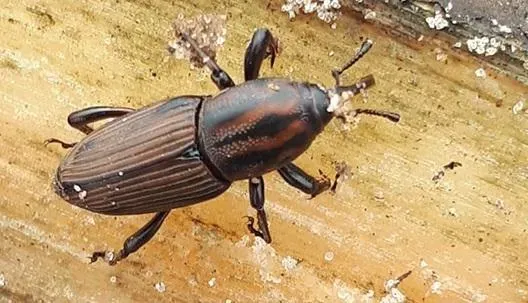
Description
How to identify
Hyponeuma taltula is a moth species belonging to the family Noctuidae, order Lepidoptera. This insect is primarily recognized in its larval stage, which acts as a pest on various crops. Adult moths are characterized by their cryptic coloration, which helps them blend into natural surroundings during the day.
The morphology of the larvae includes a chewing mouthpart structure, specialized for consuming plant leaves. The larvae go through several developmental stages, increasing in size and food consumption rate as they progress through instars.
Identification typically requires examination of the genital structure of the adult moth for precise classification. In field conditions, agronomists often rely on the visual assessment of feeding patterns and the presence of larvae on the underside of leaves.
The life cycle of the species is typical for many Noctuidae moths, consisting of eggs, larvae, pupae, and adults. This transformation cycle allows the insect to adapt to seasonal changes by entering diapause during unfavorable periods.
As part of the regional insect fauna, its population density is heavily regulated by local climate conditions and the presence of natural predators. Understanding its ecological niche is essential for creating effective management strategies.
What it damages
The pest Hyponeuma taltula feeds on a variety of plants, predominantly targeting vegetative parts. The larvae consume leaf tissues, often leading to significant foliage loss and reduction in the plant's photosynthetic capacity.
Feeding damage starts with small holes and progresses to large irregular voids in the leaves. In high-density infestations, the larvae can damage the growing points of the plants, causing stunted growth and poor fruit or grain development.
The reduction in leaf area is particularly detrimental during the active growth phases. Weakened plants are less capable of accumulating the resources needed for maximum yield, leading to measurable economic losses for farmers.
Additionally, the feeding activity creates entry points for secondary plant pathogens. Fungal and bacterial infections often settle in the damaged tissues, leading to necrosis and further plant health deterioration.
Effective damage mitigation requires identifying the pest at the early larval stages. Once the population reaches a threshold level, the impact on crop quality and volume becomes severe and irreversible.
When it appears
The emergence of adult Hyponeuma taltula moths typically begins in late spring, coinciding with the warming trend of the season. The primary flight activity usually continues throughout the summer months.
Larval development peaks in mid-summer, which is often the most critical period for crops. Agronomists must focus their monitoring efforts on this window to detect and manage the pest before it causes widespread damage.
Climate factors such as temperature and humidity significantly influence the speed of generations. Warmer seasons can accelerate the life cycle, leading to multiple generations per year and higher cumulative damage to crops.
As autumn approaches, the pest prepares for winter. Depending on the species' specific biology, it may overwinter as a pupa in the soil or as a larva in sheltered areas, remaining inactive until the following spring.
Monitoring using pheromone or light traps is a recommended practice to forecast potential population outbreaks. This proactive approach helps in scheduling necessary plant protection measures efficiently.
Signs of infestation
The presence of Hyponeuma taltula is often indicated by irregular feeding marks along the margins of leaves. The larvae are frequently found on the underside of leaves, making them elusive during initial inspections.
Fecal matter, appearing as small dark pellets, is a common sign of larval presence on the plant. Leaves that appear skeletonized, with only the leaf veins remaining, are classic symptoms of extensive larval feeding.
In some cases, the larvae pull leaves together using silk threads to create protective chambers. These silk-bound leaf clusters are easily visible upon close inspection of the crop canopy.
If the reproductive organs are damaged, symptoms like premature bud drop or flower abortion may occur. Such signs indicate that the infestation is significant and requires immediate attention to protect the harvest.
- Irregular holes in leaf tissues
- Dark fecal deposits on leaves
- Leaf webbing or silk nests
- Premature yellowing or necrosis of affected areas
Control measures
Management of Hyponeuma taltula relies on an integrated approach. Cultural practices, such as deep plowing after harvest, are highly effective in destroying pupae residing in the soil, thereby reducing the population size for the next season.
Maintaining field hygiene and controlling weeds around the field boundaries is essential. Weeds can serve as an alternative food source, allowing the pest population to survive and move onto crops.
Biological controls, including the use of entomopathogenic fungi or bacteria, offer a sustainable way to manage larval populations. Encouraging beneficial insects, such as parasitic wasps, also helps to keep the numbers in check.
Chemical intervention should be considered only when economic thresholds are surpassed. Using selective insecticides helps manage the pest while minimizing the impact on non-target species and essential pollinators.
Consistent monitoring and early detection are the cornerstones of successful pest management. By combining these strategies, farmers can protect their yields while maintaining the ecological balance of their agricultural systems.
Taxonomy
- Latin name
- Hyponeuma taltula
- Order
- Lepidoptera (butterflies)
- Family
- Noctuidae
- EPPO code
- HPNMTA
Discussion
No discussions yet — be the first.