
Hyponeuma
Hyponeuma
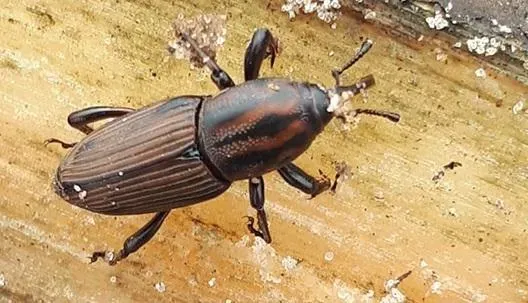
Description
How to identify
Hyponeuma is a genus of moths belonging to the family Noctuidae (order Lepidoptera). These insects are typically nocturnal, making them difficult to spot during routine field inspections without specific monitoring tools.
The life cycle of this pest involves complete metamorphosis, consisting of egg, larva (caterpillar), pupa, and adult stages. The larval stage is responsible for the physical damage to agricultural crops.
Morphologically, adults often possess cryptic coloration that allows them to blend into their surroundings, such as bark or dry plant debris, during daylight hours.
Correct identification often requires expert analysis of adult wing patterns or the internal structures of the genitalia to distinguish between closely related species within the genus.
The population dynamics of Hyponeuma are heavily influenced by environmental factors such as humidity and temperature, which dictate the success of each seasonal generation.
What it damages
The primary damage is caused by the larvae, which feed voraciously on the vegetative parts of host plants. This feeding activity reduces the leaf area available for photosynthesis.
As the larvae consume the plant tissue, the plants experience stress, leading to stunted growth, reduced biomass, and potentially lower yields. Secondary infections often follow the initial damage.
High population densities can lead to severe defoliation, which is particularly detrimental during the critical growth phases of the crop. In some cases, flowers and fruit are also targeted.
The extent of the damage varies depending on the crop type and the timing of the infestation relative to the crop's development cycle.
Proactive monitoring is essential to prevent significant economic losses, as the pest can multiply rapidly under favorable climatic conditions.
When it appears
Hyponeuma activity is largely seasonal, beginning when temperatures rise sufficiently in the spring to trigger the emergence of adults from the overwintering pupal stage.
The peak feeding periods for larvae usually occur during the warm summer months. Depending on the geographical region, multiple generations may occur within a single growing season.
As autumn approaches, the larvae typically seek out soil or plant residue to pupate. The pupal stage is the most common form in which the species overwinters.
Climate change and milder winters can potentially increase the survival rate of the pupae, leading to larger initial populations in the following spring.
Agronomic knowledge of these phenological phases allows farmers to time their interventions precisely, ensuring that control efforts are targeted during the most vulnerable life stages.
Signs of infestation
One of the earliest signs of infestation includes irregular holes or scalloped edges on leaves, which are tell-tale indicators of caterpillar feeding activity.
The presence of larval frass (excrement) on leaves or the soil surface underneath the plant is a clear sign that larvae are currently active in the field.
Some species within this group may bind leaves together with light silken webs, which creates a sheltered environment for the larvae while they feed.
Wilting of the plant or yellowish discoloration, especially near the base of the stem, may indicate that larvae have targeted the plant's vascular or structural integrity.
Light traps and pheromone-based monitoring are the most reliable methods for detecting the presence of adults before they lay eggs on the crops.
Control measures
Controlling Hyponeuma requires a comprehensive integrated pest management (IPM) strategy to minimize damage while ensuring sustainable farming practices.
- Deep plowing after harvest to disrupt the pupal stages in the soil.
- Rigorous weed control to eliminate alternative hosts for the larvae.
- Application of biological control agents, such as specific bacteria or fungi.
- Targeted use of insecticides only when economic injury thresholds are reached.
When chemical control is necessary, applications should be timed for the evening hours when larvae are most active, ensuring better contact with the product.
By balancing biological, mechanical, and chemical control methods, producers can effectively manage Hyponeuma populations without disrupting the local ecosystem's balance.
Taxonomy
- Latin name
- Hyponeuma
- Order
- Lepidoptera (butterflies)
- Family
- Noctuidae
- EPPO code
- HPNMSP
Discussion
No discussions yet — be the first.