
Northern cattle grub
Hypoderma bovis
Description
How to identify
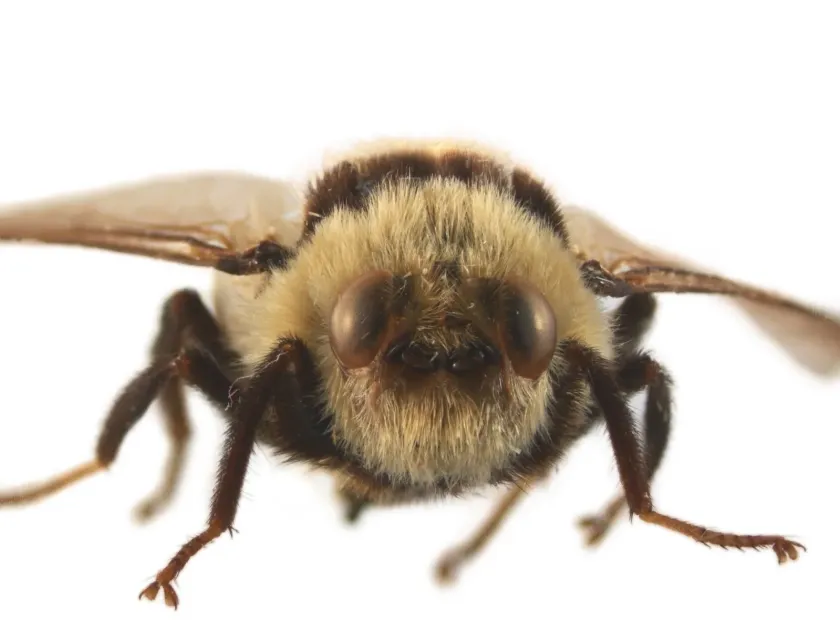
The northern cattle grub (Hypoderma bovis) is a large, hairy fly belonging to the Oestridae family, known for its parasitic impact on cattle populations.
Adult flies resemble bumblebees and possess a robust, fuzzy appearance, but they lack a functional mouth, meaning they do not feed during their short adult life.
The female is highly efficient at locating hosts; she spends her time flying around cattle to deposit eggs onto the hair shafts, usually on the animal's back.
Once the larvae hatch, they penetrate the skin and begin a complex migration process through the animal’s subcutaneous tissues and internal organs.
This species is highly specialized, completing its entire larval development within the host’s body before emerging to pupate in the soil.
What it damages
While not a plant pest, the northern cattle grub is a significant veterinary threat that causes substantial economic losses in the cattle industry.
The condition caused by these larvae, known as hypodermosis, leads to chronic stress, reduced weight gain, and lower milk production in affected animals.
The larvae cause damage to the hide as they create breathing holes, which significantly reduces the quality and value of the leather produced.
Deep tissue damage occurs during the migration phase, which can lead to carcass trim losses at the time of slaughter due to inflammation and necrosis.
Constant disturbance by the adult flies during the summer months causes cattle to run, leading to injuries and further reduction in herd performance.
When it appears
Adult activity peaks during the warm summer months, typically from June to August, when the flies are most active in laying their eggs.
Larvae spend the autumn and winter months migrating through the connective tissues and esophagus or spinal canal of the host.
In the late winter and early spring, the larvae settle in the subcutaneous tissue of the back, creating the characteristic "warbles" or swellings.
The mature larvae emerge through the skin during the spring, usually between March and May, to fall to the ground and complete their metamorphosis.
Understanding these seasonal patterns is essential for cattle producers to time their deworming and insecticide application programs effectively.
Signs of infestation
An early sign of infestation is "gadding," where cattle behave erratically and run in terror when they hear the buzzing sound of the female fly.
In late winter, the most obvious sign is the presence of large, firm lumps (warbles) along the animal's back and spine.
Each warble typically features a central hole, which the larvae use for respiration, often accompanied by local hair loss or scab formation.
Inflammation and fluid discharge from the warble holes indicate that the larvae are preparing to emerge or have already left the host.
Professional assessment of the herd during the spring is necessary to identify affected animals that may require secondary treatment.
Control measures
Effective control of the northern cattle grub requires a strategic approach, focusing on interrupting the larval migration cycle before it causes significant damage.
- Strategic use of systemic endectocides (e.g., macrocyclic lactones) in the autumn.
- Application of topical insecticides to the backline to reduce adult fly populations.
- Preventing infestation by using repellant sprays during the peak summer fly season.
- Quarantine and inspection of incoming cattle to prevent the introduction of infested stock.
- Timely removal and proper disposal of larvae if found during spring inspections.
Taxonomy
- Latin name
- Hypoderma bovis
- Order
- Diptera (flies)
- Family
- Oestridae
- EPPO code
- HYPDBO
Discussion
No discussions yet — be the first.