
Hydraecia
Hydraecia
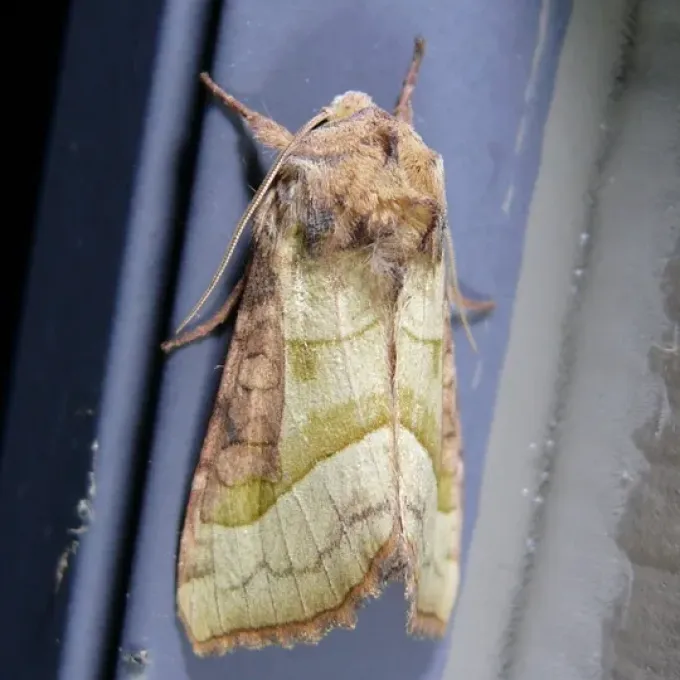
Description
How to identify
Hydraecia is a genus of moths belonging to the Noctuidae family, commonly known as rustic moths or stem-boring moths.
Adult moths are typically medium-sized with ochreous or brownish wing patterns that provide excellent camouflage against dry vegetation.
The larvae, or caterpillars, are characterized by a stout, smooth body that is often pale grey or pinkish, designed for boring into plant stems.
Their life cycle includes four stages: egg, larva (caterpillar), pupa, and adult moth, with overwintering occurring primarily in the egg stage.
These insects are highly adapted to life within plant tissues, which serves both as a food source and protection from many predators.
What it damages
Hydraecia is a polyphagous pest, meaning it attacks a wide range of botanical species, significantly impacting agricultural productivity.
Crops such as potatoes, tomatoes, maize, and various lilies are frequently targeted by these larvae, which bore into the central stem.
By consuming the internal vascular tissues, the larvae disrupt the plant's ability to transport water and nutrients, causing stunted growth.
Wild plants like burdock and mugwort also serve as host plants, maintaining populations near agricultural fields throughout the year.
In cases of heavy infestation, the structural integrity of the plant is compromised, leading to collapse and total crop failure in affected areas.
When it appears
The adult moth flight period occurs in late summer and autumn, which is when the females lay their eggs on host plants or soil debris.
Larvae hatch in the spring as temperatures rise, immediately seeking out suitable stems to burrow into for feeding.
May and June are critical months for the larval stage, as they grow rapidly and cause the most significant damage to maturing crops.
Pupation takes place mid-summer, either within the hollowed-out plant stem or just below the soil surface near the host.
Local climatic conditions, particularly soil moisture and spring temperature patterns, significantly influence the timing of larval emergence.
Signs of infestation
The first indicator of an infestation is often sudden wilting of the top leaves or a drooping stem, which might be mistaken for drought stress.
A closer inspection of the plant base or mid-stem often reveals a small entry hole accompanied by fine frass (larval excrement).
Stems become brittle due to internal tunneling and may snap easily during windy weather or light physical pressure.
Splitting the stem open usually confirms the presence of the larva or the evidence of its path through the plant tissues.
Secondary infections, such as bacterial or fungal rot, often take advantage of the entry holes, turning the stem into a mushy, dark mess.
Control measures
Effective management begins with strict sanitation practices, focusing on the removal of weed hosts from field margins and ditches.
Deep autumn tillage is highly recommended to disrupt the overwintering sites of eggs and pupae, burying them deeper than they can survive.
Chemical control is challenging because once the larvae enter the stem, they are largely protected from most contact insecticides.
- Monitor fields regularly during late spring for initial wilting signs.
- Physically remove and destroy infested plants to lower the population.
- Rotate crops to prevent the build-up of specialized pest populations.
Integrated Pest Management (IPM) strategies, including the use of pheromone traps to monitor adult flight, are essential for timely intervention.
Taxonomy
- Latin name
- Hydraecia
- Order
- Lepidoptera (butterflies)
- Family
- Noctuidae
- EPPO code
- HYDOSP
Discussion
No discussions yet — be the first.