
Lance nematode
Hoplolaimus galeatus
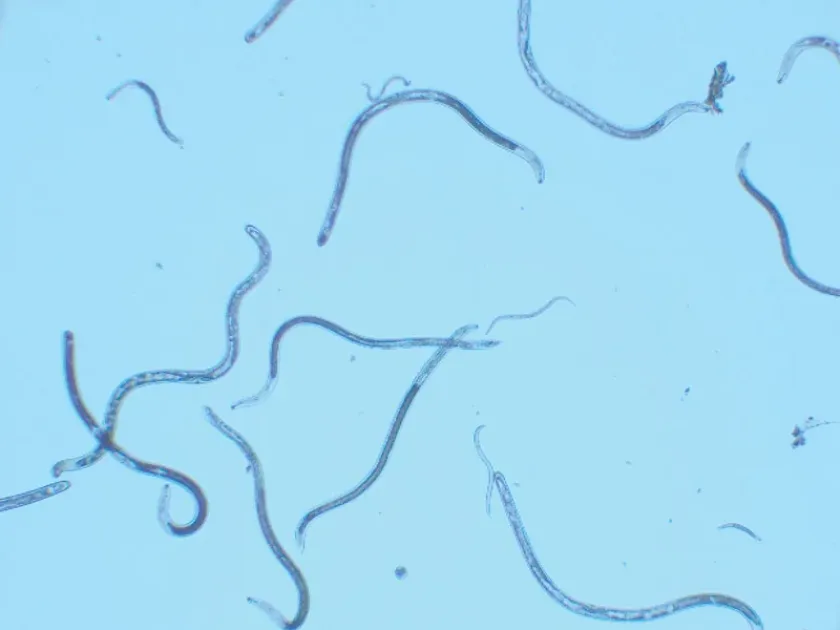
Description
How to identify
The lance nematode, scientifically known as Hoplolaimus galeatus, belongs to the family Hoplolaimidae. It is a migratory endoparasite that spends its life cycle moving through the soil and plant tissues.
Adult specimens are characterized by a sturdy, vermiform body and a distinctively large, cephalic region. The structure of their mouthparts, specifically the strong spear (stylet), allows them to pierce through the cortex of plant roots.
The nematode’s life cycle includes an egg stage, four larval stages, and an adult stage. Each transition between larval stages is marked by a molt, which occurs based on favorable soil moisture and nutrient availability.
Hoplolaimus galeatus is highly adaptable to various soil types, although it thrives best in well-drained, sandy soils. This environment facilitates their migration and search for root systems of suitable host plants.
Unlike stationary endoparasites, lance nematodes can abandon a plant if the root environment becomes unfavorable, moving rapidly through the soil to locate a new source of sustenance.
What it damages
This nematode has a broad host range, posing a significant threat to row crops like corn and soybeans, as well as turfgrasses and various woody plants. Its persistence in the soil makes it a long-term agricultural challenge.
When feeding, the nematode destroys individual cells and disrupts the vascular tissue. This feeding behavior reduces the plant's capacity for water uptake, leading to visible symptoms above the soil surface.
Plants infested with lance nematodes typically exhibit stunted growth, yellowing (chlorosis) of the leaves, and an overall lack of vigor. These symptoms are often mistaken for nutrient deficiencies or drought stress.
Root system analysis often reveals darkened lesions and signs of decay. The structural damage caused by the stylet acts as an entry point for secondary pathogens, such as fungi and bacteria, causing further decay.
The cumulative damage often results in significant yield loss, particularly in high-density fields. In severe cases, the entire root system may be destroyed, leading to the collapse and death of the plant.
Control measures
Managing Hoplolaimus galeatus requires a multifaceted approach, with crop rotation serving as the first line of defense. Selecting non-host crops helps starve the nematode population in the field.
Soil management practices, such as proper tillage and avoiding the movement of contaminated soil between fields, are essential for preventing the spread of the pest to clean areas of the farm.
In cases of heavy infestation, chemical control options, including nematicides, may be used. However, these treatments should be carefully applied according to safety protocols and regulatory standards for environmental protection.
Enhancing soil biological activity by incorporating organic matter can promote beneficial organisms that compete with or parasitize the nematodes, naturally lowering their density in the root zone.
Regular testing of soil and root samples is highly recommended to monitor the population levels of lance nematodes. Early detection allows for localized management, preventing the pest from becoming a widespread problem.
Taxonomy
- Latin name
- Hoplolaimus galeatus
- Order
- Nematodes
- Family
- Hoplolaimidae
- EPPO code
- HOLLGA
Discussion
No discussions yet — be the first.