
Lance nematode
Hoplolaimus
Description
How to identify
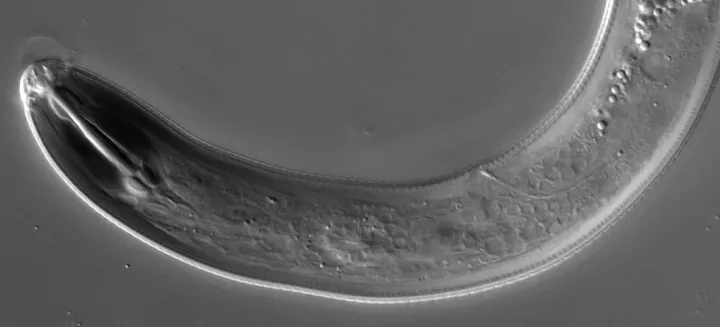
The lance nematode, belonging to the genus Hoplolaimus, is a significant member of the family Hoplolaimidae. These nematodes are recognized by their large, sturdy bodies and a robust, heavily sclerotized stylet designed to penetrate tough plant roots.
Typically measuring between 1 and 2 mm in length, these nematodes are highly mobile within the soil. They are characterized as migratory endoparasites, meaning they move both through the soil profile and inside the root cortex, causing extensive internal damage.
The biological cycle consists of an egg stage followed by four juvenile stages before reaching adulthood. The ability of both juveniles and adults to feed on root tissue makes them particularly destructive throughout the growing season.
Hoplolaimus species exhibit remarkable survival strategies, including the ability to persist in the soil without a host for extended periods. They are well-adapted to various soil types and environmental conditions, often found deep in the rhizosphere.
Identification typically requires laboratory processing of soil and root samples, as the physical damage to roots is often conflated with other soil-borne diseases. Microscopic examination is necessary to confirm the presence of this specific genus.
What it damages
Lance nematodes have a broad host range, attacking various economically important crops including corn, wheat, soybeans, and cotton. Their presence can severely compromise the root systems of these plants from the seedling stage through maturity.
In addition to field crops, these nematodes are known pests of turfgrasses, causing widespread damage in managed landscapes and golf courses. They can also affect various vegetable crops, leading to significant yield losses.
The primary damage occurs as the nematode feeds, creating entry points for opportunistic pathogens. This mechanical injury disrupts the plant's vascular system, hindering the uptake of water and essential mineral nutrients.
As feeding progresses, the root cortex becomes severely damaged or necrotic. This leads to reduced root biomass and a stunted, inefficient root system that cannot support optimal plant development or high yields.
The resulting economic impact is characterized by both reduced quantity and lower quality of harvested products. Crops infested with lance nematodes are also significantly more susceptible to environmental stressors like drought.
Signs of infestation
Visible symptoms often present as patchy areas of stunted growth or chlorosis in the field. Affected plants fail to respond to irrigation and fertilization, indicating a compromised root system rather than nutrient deficiency alone.
Upon examination of the root system, one will observe necrotic lesions and brown, decaying sections of the roots. The roots may appear pruned or stubby, with a noticeable lack of fine, feeder roots necessary for nutrient absorption.
Affected plants may exhibit signs of premature wilting during periods of peak water demand. Because the plant cannot replace the damaged root tissue fast enough, it becomes unable to sustain itself under normal environmental conditions.
In turfgrass and cereal crops, the loss of root anchorage often leads to thinning and the appearance of dead patches. These patches often expand in size over successive growing seasons if management is neglected.
Confirming the presence of Hoplolaimus requires collecting soil samples from the root zone of declining plants. Laboratory analysis will confirm the nematode population density and determine if it exceeds the economic injury threshold.
Control measures
Crop rotation remains a fundamental strategy for managing lance nematode populations. By planting non-host crops for several cycles, producers can effectively starve the nematode population, significantly reducing its density in the field.
Soil management practices, such as deep plowing and improving soil drainage, can mitigate the severity of infestation. Maintaining optimal soil health helps plants recover from nematode feeding by promoting vigorous root growth.
The application of biological control agents, including certain nematophagous fungi and bacteria, can help suppress nematode populations. These natural antagonists integrate well into sustainable agricultural practices.
When infestation levels are high, chemical control using soil fumigants or nematicides may be necessary. These applications must be carefully managed to adhere to strict safety guidelines and environmental protection standards.
Preventative measures, such as using nematode-free planting stock and disinfecting farm equipment, are crucial. Preventing the initial introduction of Hoplolaimus to uninfested fields is the most cost-effective way to manage this pest.
Taxonomy
- Latin name
- Hoplolaimus
- Order
- Nematodes
- Family
- Hoplolaimidae
- EPPO code
- HOLLSP
Discussion
No discussions yet — be the first.