
Phlox moth
Heliothis phloxiphaga
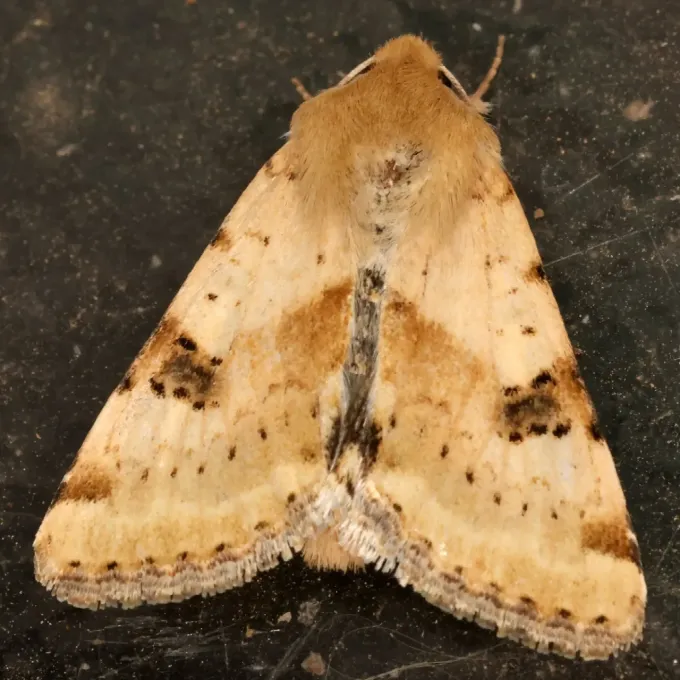
Description
How to identify
The phlox moth, scientifically known as Heliothis phloxiphaga, belongs to the Noctuidae family of moths. This insect is recognized as a specific pest for plants within the Polemoniaceae family.
Adult moths are characterized by a medium size and a wing color that ranges from pale tan to brownish-grey, which provides effective camouflage among dried grasses and stems.
The larvae, or caterpillars, progress through several growth stages. Their appearance shifts from light green to darker, brownish tones with lateral stripes as they mature into later instars.
Pupation occurs within the soil. The pupae are typically reddish-brown, possessing a smooth cuticle that protects them during the overwintering phase in the ground.
The biology of Heliothis phloxiphaga is highly adaptive to local climates, often resulting in two distinct generations per year in temperate regions.
What it damages
The primary host plants for this moth are members of the genus Phlox. The larvae target the reproductive organs of these plants, which is why the pest is significant for floral producers.
In addition to phlox, the larvae have been recorded feeding on various Asteraceae and Fabaceae species, demonstrating a level of flexibility in their dietary habits.
The most severe damage is caused by caterpillars boring into flower buds, effectively destroying the plant's ability to produce flowers or seeds.
Leaves and stems may also suffer, but the economic impact is most pronounced when the developing buds are consumed, leading to substantial yield or aesthetic losses.
Weakened plants are significantly more susceptible to secondary fungal infections, which can exacerbate the overall damage caused by the larvae.
When it appears
The emergence of the first generation of adults occurs in late spring, triggered by rising soil temperatures that facilitate the completion of the pupal stage.
Mating and egg-laying happen shortly after emergence. Eggs are typically deposited on the foliage near the developing inflorescences of the host plants.
Larval activity is most intense during the early to mid-summer period, coinciding with the peak vegetative and reproductive growth phases of phlox plants.
A second generation of adults usually appears in mid-to-late summer, following a faster developmental cycle due to the prevailing warmer temperatures.
As the season draws to a close, the final generation of larvae pupates in the soil, entering a state of diapause to survive the winter months.
Signs of infestation
The most visible indicator of an infestation is the presence of holes or missing tissue in the flower buds, often accompanied by frass (droppings) near the damage.
If you inspect the plants, you may find the larvae hiding under leaves or tucked into the dense clusters of the flower buds during the heat of the day.
Plants may show signs of poor flowering, with many buds turning brown and falling off the stem before they ever have the chance to fully open.
Deformed petals or uneven development of the flower clusters often suggest that a caterpillar has fed within the bud structure prior to its expansion.
- boreholes in flower buds;
- presence of fecal pellets on leaves;
- bud drop and blossom abortion;
- irregular foliage feeding patterns.
Control measures
Cultural control measures include thorough tilling or cultivation of the soil in late autumn to expose and destroy overwintering pupae.
Regular inspection and manual removal of caterpillars are effective on a small scale, especially if the infestation is caught in the early larval stages.
Biological control, utilizing products containing Bacillus thuringiensis, offers an environmentally friendly alternative that targets the larvae specifically without harming beneficial insects.
Chemical intervention should be reserved for severe outbreaks, prioritizing selective insecticides that are applied according to the manufacturer's label to minimize environmental impact.
Maintaining a clean garden area by removing weeds and host-plant debris can significantly reduce the overwintering success rate of the moth population.
Taxonomy
- Latin name
- Heliothis phloxiphaga
- Order
- Lepidoptera (butterflies)
- Family
- Noctuidae
- EPPO code
- HELIPH
Discussion
No discussions yet — be the first.