
Heliothis fletcheri
Heliothis fletcheri
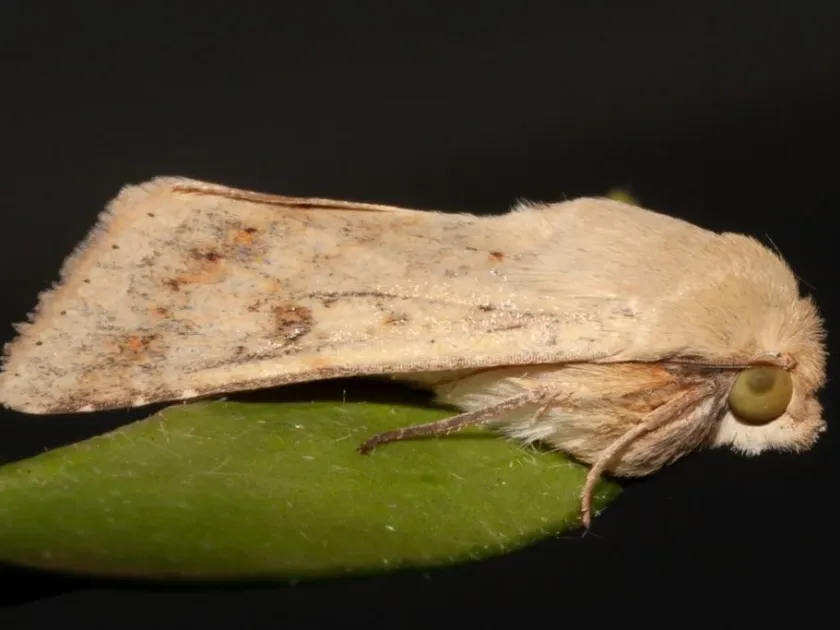
Description
How to identify
Heliothis fletcheri is a species of moth belonging to the family Noctuidae, known for its impact on specific agricultural crops, primarily within the cotton-producing regions.
The adult moth exhibits morphology typical of the Heliothinae subfamily, with wing patterns designed for camouflage against the vegetation where they feed and reproduce.
The life cycle follows complete metamorphosis, consisting of the egg, larval, pupal, and adult stages. The larval stage is responsible for the destructive feeding behavior observed in field conditions.
Pupation typically occurs within the soil, allowing the insect to survive through harsh climatic conditions or periods when host plants are not available.
Detection is often achieved through the use of pheromone traps placed in agricultural fields, which help agronomists track population dynamics and migration patterns.
What it damages
The primary host of Heliothis fletcheri is cotton (Gossypium), where it acts as a significant threat to yield quality and total production output.
Larvae primarily attack the reproductive parts of the plant, including squares (buds), flowers, and bolls, causing them to shed prematurely or become deformed.
Damage to cotton bolls not only destroys the fiber directly but also introduces pathogens that lead to rot and further decrease the commercial value of the harvest.
In addition to cotton, the pest can survive on various wild Malvaceae species, which act as reservoirs and allow the pest to maintain its population near farming areas.
Severe infestations can lead to significant economic loss, requiring proactive measures to prevent the spread of larvae during the critical vegetative and fruiting phases of the crop.
Control measures
Cultural control is a cornerstone of management, involving deep plowing of fields after harvest to disrupt the pupal stage and reduce the next generation's population.
Biological control strategies often incorporate the use of parasitoids, such as Trichogramma species, which target the eggs of the moth to prevent larval emergence.
Chemical control remains necessary during periods of high pest pressure, utilizing selective insecticides that minimize harm to beneficial insects while effectively targeting the larvae.
Sanitation of field borders by removing alternative weed hosts, particularly wild malvaceous plants, is essential to minimize the pest's early-season survival.
Integrated Pest Management (IPM) programs rely on constant field scouting and pheromone monitoring to ensure that control measures are implemented at the most effective time.
Taxonomy
- Latin name
- Heliothis fletcheri
- Order
- Lepidoptera (butterflies)
- Family
- Noctuidae
- EPPO code
- HELIFL
Discussion
No discussions yet — be the first.