
Spiral nematode
Helicotylenchus vulgaris
Description
How to identify
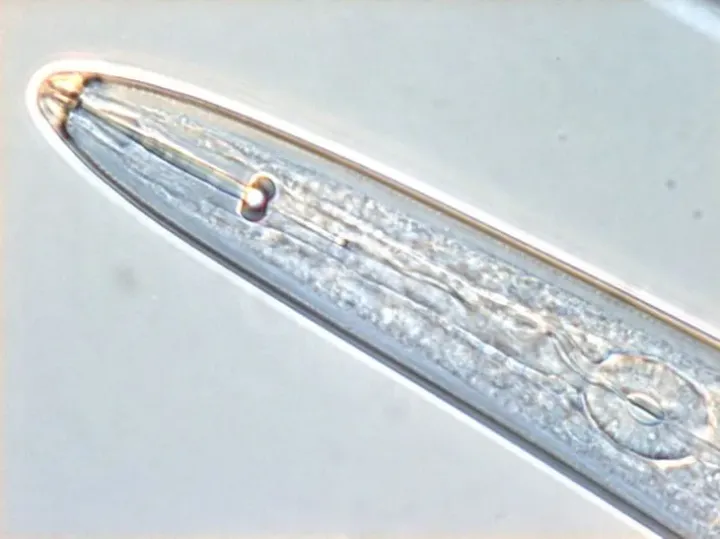
The spiral nematode (Helicotylenchus vulgaris) belongs to the phylum Nematoda, family Hoplolaimidae, and order Tylenchida. It gets its common name from the distinct spiral shape the worm assumes when immobile or deceased.
These microscopic pests measure approximately 0.5 to 0.8 mm in length. They are equipped with a strong, needle-like structure called a stylet, which they use to pierce plant cell walls to extract essential nutrients.
Spiral nematodes act primarily as ectoparasites, feeding from the exterior of the root tissue, though they can sometimes partially penetrate the outer root layers. Their bodies are transparent, making them difficult to identify in the field.
The life cycle involves an egg stage, four larval molts, and adulthood. The duration of the cycle is heavily dependent on soil temperature and moisture levels, with warmer conditions typically accelerating their development.
Females are prolific breeders, and under optimal environmental conditions, they can maintain high population densities in the soil, continuously feeding on the root systems of susceptible plants.
What it damages
Spiral nematodes are polyphagous, meaning they attack a wide variety of plant species. Significant agricultural hosts include cereal grains, corn, soybeans, potatoes, and various vegetable crops.
They also pose a serious threat to perennial crops, including strawberries, grapevines, and various orchard trees. The pest persists by surviving on many common weed species found in and around fields.
By constantly feeding on root tissues, these nematodes restrict the plant's ability to absorb water and vital minerals. This leads to reduced vigor and stunted development of the affected agricultural plants.
The feeding sites created by the nematode stylets serve as entry points for pathogenic fungi and bacteria. This secondary infection often causes more severe damage than the nematodes themselves, leading to root rot.
In high-stress environments or poor soil conditions, the impact of these parasites is amplified, frequently leading to significant economic losses in both yield quantity and quality.
Signs of infestation
Common signs of infection include stunted growth, yellowing (chlorosis) of leaves, and overall poor plant performance. Affected fields often show irregular patches of weakened, uneven vegetation.
Root system analysis often reveals shortened, thickened, or darkened roots compared to healthy counterparts. There is usually a noticeable lack of fine lateral roots which are essential for nutrient uptake.
Plants struggling with nematode infestations may exhibit symptoms of wilting even when soil moisture is adequate, as the damaged roots fail to supply the plant with sufficient water.
In mature crops, the infestation may manifest as early senescence or failure to reach full maturity, resulting in smaller fruits, tubers, or grains that do not meet market standards.
Because symptoms are non-specific and mimic those of nutrient deficiency or drought, accurate identification requires professional soil and root tissue testing in a laboratory.
Control measures
Effective management begins with robust crop rotation practices. Incorporating non-host crops into the rotation cycle helps to starve the nematode population and prevent buildup.
Maintaining high soil fertility and improving soil structure through organic amendments can help plants tolerate nematode feeding. Clean farming practices, including the removal of weeds, are essential.
The use of certified, nematode-free planting material is the most important step for preventing the introduction of Helicotylenchus into non-infested soil areas.
Biological controls are increasingly used, focusing on beneficial soil microbes or nematode-trapping fungi that naturally suppress the pest population without harming the environment.
Chemical nematicides should be treated as a last resort, as they are often highly toxic. When used, they must be applied according to strict agricultural guidelines to ensure minimal environmental impact.
Taxonomy
- Latin name
- Helicotylenchus vulgaris
- Order
- Nematodes
- Family
- Hoplolaimidae
- EPPO code
- HELYVU
Discussion
No discussions yet — be the first.