
Helicobia
Helicobia
Description
How to identify
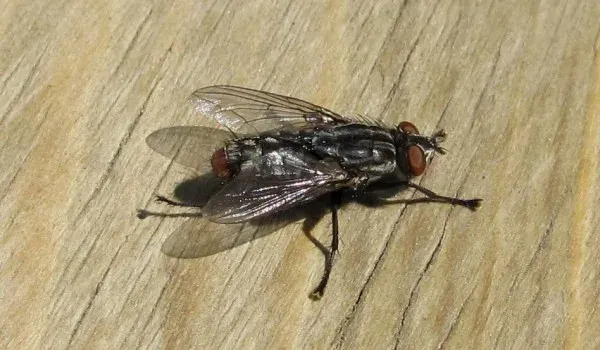
Helicobia is a genus of flies belonging to the family Sarcophagidae, commonly known as flesh flies, which are known for their varied life strategies.
The adults are characterized by their greyish coloration, typically featuring three dark longitudinal stripes on the thorax and a checkered pattern on the abdomen.
They possess a robust build and a sophisticated set of sensory organs that allow them to locate suitable breeding sites with high precision.
Larvae are typically white or yellowish, cylindrical, and lack legs, adapted for living within decomposing or semi-decomposing organic matter.
Accurate identification to the species level often requires the examination of male terminalia by specialists, as morphological similarities between species are significant.
What it damages
The damage caused by Helicobia is primarily due to the larval stage, which feeds on the tissues of various plants, often targeting injured or weakened specimens.
While they are often associated with decaying matter, in agricultural settings, they can infest fruits and stems, causing tissue breakdown and rot.
Infestation often leads to the rapid degradation of the plant structure, rendering the crop unmarketable and susceptible to secondary fungal or bacterial infections.
The presence of larvae inside the fruit accelerates the spoilage process, which is often aggravated by the enzymes they secrete during feeding.
In high-density infestations, the yield loss can be substantial, especially for soft-skinned vegetables or fruits that are susceptible to minor skin abrasions.
When it appears
The activity of Helicobia flies typically begins in late spring, corresponding with the rise in ambient temperatures above the developmental threshold.
Summer is the period of highest activity, where environmental conditions support multiple generations of development within a single season.
The life cycle is temperature-dependent, and optimal conditions can shorten the duration between egg deposition and the emergence of adult flies.
As autumn approaches, the flies prepare for winter by transitioning into the pupal stage, which remains dormant in the soil or protected debris.
Rainfall and humidity play a critical role in the population dynamics, as they influence the availability of the moist substrates required for larval development.
Signs of infestation
The most evident sign of infestation is the localized softening and discoloration of plant tissue or fruit skin, which often feels spongy to the touch.
Entry holes, though small, may be visible upon close inspection, often surrounded by a moist, dark exudate resulting from the feeding activity.
A foul, putrid odor emanating from a specific part of the crop is a strong indicator that the internal tissues have been colonized by larvae.
Wilting of foliage or branches that are otherwise seemingly healthy can sometimes be linked to internal boring or tissue damage caused by the larvae.
Visual confirmation often involves finding the larvae themselves within the damaged plant material, typically found in groups near the site of decay.
Control measures
Effective management begins with robust sanitation practices, specifically the immediate removal and proper disposal of all infested or decaying plant material.
Tillage techniques, including deep autumn plowing, are highly effective in disrupting the life cycle by exposing overwintering pupae to harsh weather.
Monitoring using traps baited with protein or fermenting fruit juices can help growers assess population levels and time potential interventions.
Chemical control measures should be applied only when necessary and in accordance with local agricultural guidelines to avoid harming beneficial insects.
Exclusion methods, such as the use of netting in greenhouses or orchards, can significantly reduce the access of adult flies to the susceptible crop.
Taxonomy
- Latin name
- Helicobia
- Order
- Diptera (flies)
- Family
- Sarcophagidae
- EPPO code
- HLIBSP
Discussion
No discussions yet — be the first.