
Hecatera
Hecatera
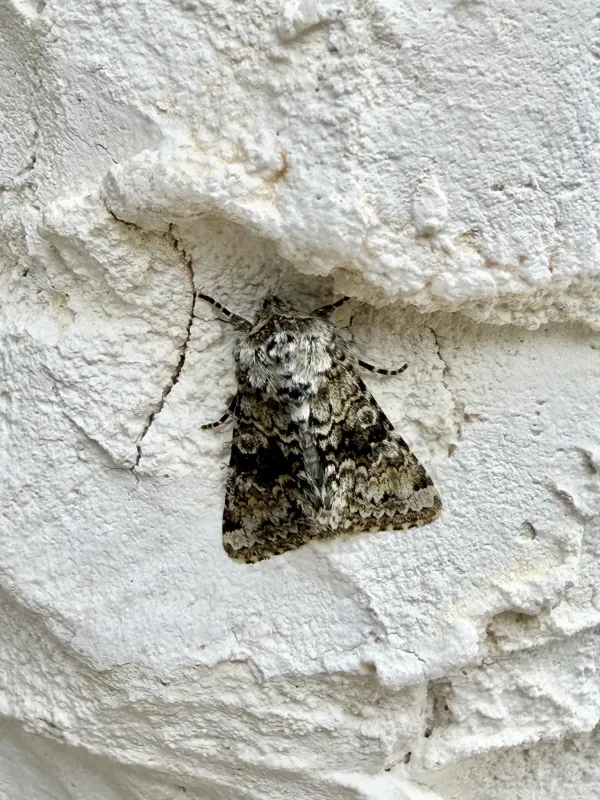
Description
How to identify
The genus Hecatera belongs to the family Noctuidae, order Lepidoptera. These are nocturnal moths with cryptic coloration that allows them to blend perfectly with their environment during the day.
The larvae, or caterpillars, have cylindrical bodies and are often patterned with longitudinal stripes, which helps them camouflage while feeding on host plants.
Adult moths are known for being attracted to artificial light sources, a behavioral trait used by entomologists and farmers to monitor local populations.
Pupation typically occurs in the soil, where the pupae reside in protective cocoons throughout the winter, shielding them from harsh environmental conditions.
Accurate species identification often requires dissection or detailed examination of the wing patterns and genital structures, as many species within the genus are morphologically similar.
What it damages
The primary host plants for Hecatera larvae are members of the Caryophyllaceae (pink or carnation) family, which includes both ornamental flowers and various weeds.
Caterpillars are the destructive stage, feeding aggressively on flower buds, developing seeds, and foliage, which can cause significant damage to reproductive growth.
In cases of high infestation, the larvae can consume enough plant tissue to destroy the entire seed set, making the crop economically unviable for harvest.
Secondary damage often occurs as open wounds from feeding allow pathogens, such as bacteria and fungi, to invade the plant tissue, leading to rot.
Ornamental growers often report severe loss of market value due to damaged blooms, which is a major concern for nurseries specializing in carnations and related flowers.
When it appears
Adult moths typically emerge in late spring or early summer, following the warming trends that signal the start of their active life cycle.
Larval development generally peaks during the mid-summer months, coinciding with the flowering period of their primary host plants in the field.
Depending on local climate conditions, the species may undergo one or two generations per year, creating overlapping populations that are difficult to manage.
The overwintering pupae begin to prepare for their next phase as temperatures drop, with activity ceasing towards the late summer and early autumn.
Proper timing of monitoring is essential, as the presence of moths at lights often precedes the appearance of larvae on plants by several weeks.
Signs of infestation
Irregular holes in the leaves and missing sections of flower buds are the most common visual indicators of a Hecatera infestation.
Frass (caterpillar droppings) found on leaves or at the base of the plant is a clear sign that larvae have been actively feeding in the vicinity.
Wilting of flower buds or deformed seed heads often point to larvae feeding hidden inside the plant tissue, away from direct sunlight.
Looking for larvae at night using a flashlight is often more effective than daytime inspection, as they are mostly nocturnal foragers.
Silk webbing around buds or leaves can indicate that a caterpillar is preparing to pupate or is resting within a protective shelter.
Control measures
Cultural control practices, such as autumn tilling, help disrupt the pupae in the soil, significantly reducing the survival rate of the overwintering population.
Weed management, specifically removing wild Caryophyllaceae species from field borders, effectively eliminates alternative food sources and shelters.
Biological control using Bacillus thuringiensis (Bt) is highly effective against young larvae and is safer for non-target beneficial insects in the garden.
Chemical control should be reserved for severe outbreaks, utilizing products that target larvae while adhering strictly to pre-harvest safety intervals.
- Monitor fields frequently during the bud development stage.
- Use pheromone or light traps for early detection of adult moths.
- Maintain proper plant spacing to improve airflow and reduce humidity.
Taxonomy
- Latin name
- Hecatera
- Order
- Lepidoptera (butterflies)
- Family
- Noctuidae
- EPPO code
- HECASP
Discussion
No discussions yet — be the first.