
Lychnis moth
Hadena cucubali
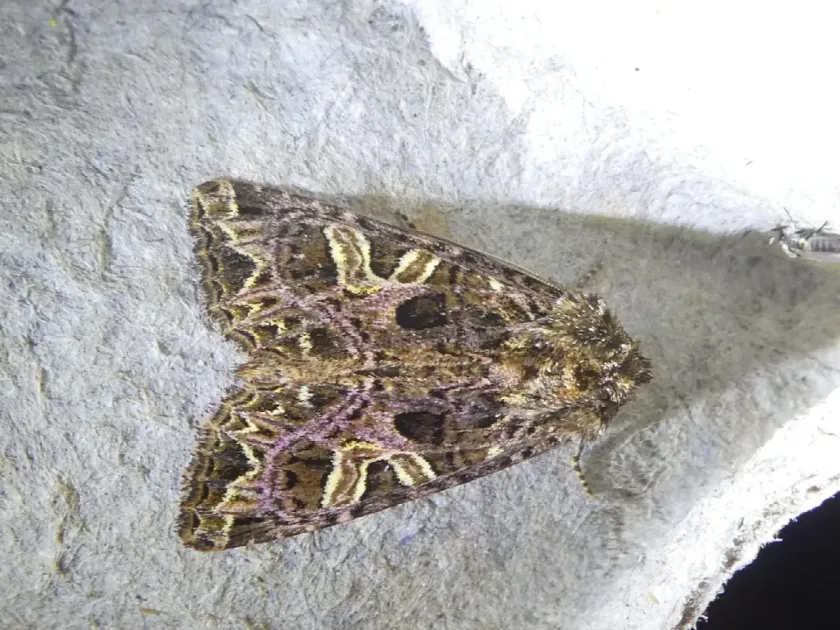
Description
How to identify
The Lychnis moth (Hadena cucubali) is a member of the Noctuidae family, which includes numerous economically significant moth species.
Adult moths are typically nocturnal, with a wing span ranging from 30 to 35 mm, displaying a distinct purplish-brown pattern on their forewings.
The larvae, known as caterpillars, can reach up to 40 mm in length and exhibit colors ranging from green to brownish, matching their host plants.
The insect undergoes complete metamorphosis, passing through egg, larval, pupal, and adult stages within a single or multiple generations per year.
The pupae are typically found in the soil, protected by a cocoon, which is a critical stage for overwintering during cold climate periods.
What it damages
The caterpillars primarily feed on the reproductive parts of plants belonging to the Caryophyllaceae family, specifically targeting buds and seed capsules.
While often associated with wild host plants, the moth can cause economic damage to commercial seed crops by destroying developing seeds.
The larval feeding activity results in significant reduction in seed yield, as the internal tissues of the capsules are consumed or damaged.
In addition to direct loss of seed weight, damaged capsules become susceptible to secondary infections by various fungi and bacteria.
The severity of the damage depends on the population density of the larvae during the peak reproductive phase of the target host crops.
When it appears
The flight of adult moths usually begins in late spring, as temperatures rise, signaling the start of the breeding season.
Larval activity is most intense during the summer months, coinciding with the flowering and seed-setting stages of the plants.
The number of generations depends on local environmental conditions, with warmer regions possibly supporting more than one life cycle per year.
Pupation occurs in late summer or autumn, as the caterpillars descend into the soil to undergo their final transformation for overwintering.
Monitoring adult flight patterns using light traps is a reliable way to predict the onset of larval activity in agricultural fields.
Signs of infestation
The presence of the pest is indicated by holes bored into flower buds and seed capsules, which are typical feeding sites for the larvae.
Frass (larval excrement) is often visible around the entry holes, confirming that the damage is caused by lepidopteran larvae.
Visible wilting or malformation of flower buds and developing fruit serves as a strong field indicator of active infestation.
In cases of heavy infestation, significant portions of the seed crop may show signs of premature death of reproductive structures.
Inspecting vegetation at dawn or dusk can reveal the caterpillars feeding openly on the host plants, helping to identify the pest.
Control measures
Cultural control practices, such as the removal of wild Caryophyllaceae species from field margins, are highly effective in reducing pest pressure.
Tillage operations, including post-harvest plowing, can disrupt the pupal stage in the soil, leading to significant mortality of the overwintering population.
Chemical control should be implemented based on scouting data, targeting the early larval stages when they are most susceptible to insecticide treatment.
Integrated Pest Management (IPM) programs should prioritize the use of selective insecticides to preserve beneficial predator populations in the field.
Spatial isolation of sensitive crops from known infestation hotspots or weeds is a recommended strategy to minimize the risk of pest colonization.
Taxonomy
- Latin name
- Hadena cucubali
- Order
- Lepidoptera (butterflies)
- Family
- Noctuidae
- EPPO code
- HARMRI
Discussion
No discussions yet — be the first.