
Graphania ustistriga
Graphania ustistriga
Description
How to identify
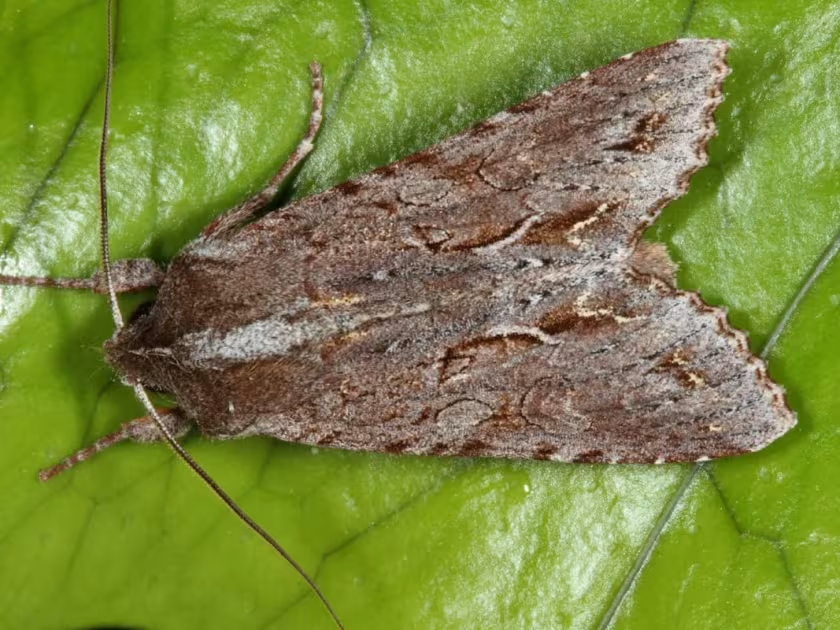
Graphania ustistriga belongs to the family Noctuidae, order Lepidoptera. This nocturnal moth species is well-adapted to its environment, with its wings displaying a cryptic coloration pattern that mimics tree bark or dead foliage.
The adult moth has a wingspan typical of its family, with a mottled appearance consisting of shades of gray and brown. Its physical structure and behavior are evolved for survival during the cooler periods of the season.
The larval stage, or caterpillar, possesses a robust chewing mouthpart designed for consuming plant tissues. Throughout its growth, the larva undergoes several molts, increasing in size and food consumption rate.
The life cycle of this species is heavily influenced by regional climatic conditions. It typically completes one or two generations per year, ensuring the species persists across fluctuating environmental variables.
Overwintering usually occurs in the pupal stage, buried within the soil or protected by plant debris, which provides essential insulation against freezing temperatures during the winter months.
What it damages
As a polyphagous pest, Graphania ustistriga has the capacity to feed on a wide range of host plants, including various cereal crops, vegetables, and ornamental species found in agricultural landscapes.
The primary damage is caused by the caterpillars, which feed aggressively on leaves, stems, and occasionally reproductive structures. This defoliation reduces the photosynthetic capacity of the plant, often leading to reduced yields.
The most critical impact occurs during peak larval feeding times, which often coincide with the rapid growth stages of crops. Infestations during these windows can lead to significant biomass loss or even plant death.
Beyond crop fields, the pest thrives on various weed species, which serve as reservoirs during periods between primary host availability, complicating the long-term management of the pest.
Economic damage thresholds vary by crop type, but consistent monitoring is essential to prevent localized infestations from expanding into major outbreaks across the field.
Signs of infestation
The initial signs of an infestation include the appearance of irregular holes in leaf blades. As caterpillars grow, they consume larger portions of the foliage, often resulting in severe defoliation.
The accumulation of frass (caterpillar excrement) on leaves or the ground surrounding the plant serves as a clear indicator of active feeding activity by the larval population.
Stunted growth or visible deformation of plant shoots indicates that caterpillars may have moved to feed on the meristematic tissues or stems of the plant, causing more severe damage.
Nocturnal activity by adult moths near light sources is a classic sign of population presence, which helps agronomists estimate potential future larval pressure on their crops.
- Irregular holes and notches in leaves.
- Visible frass deposits on foliage.
- Wilting or deformation of young stems.
- Presence of caterpillars hiding in leaf litter or near the base.
Control measures
Cultural control measures, such as deep autumn plowing, are highly effective in disrupting the life cycle by destroying pupae overwintering in the soil, thus lowering the next season's population.
Biological control involves the use of specialized pathogens, such as Bacillus thuringiensis or insect-parasitic fungi, which offer a target-specific way to manage larvae without harming the ecosystem.
Chemical control should be employed only when monitoring reveals that populations have exceeded the economic threshold. Choosing selective insecticides helps minimize impacts on non-target species like pollinators.
Sanitation practices, including the removal of weeds around fields, eliminate the alternate food sources that support the pest, effectively reducing the risk of migration into main crop areas.
Using pheromone traps for monitoring is a best-practice strategy. It allows for the precise timing of insecticide applications, ensuring control efforts are conducted when the insects are most vulnerable.
Taxonomy
- Latin name
- Graphania ustistriga
- Order
- Lepidoptera (butterflies)
- Family
- Noctuidae
- EPPO code
- GRAFUS
Discussion
No discussions yet — be the first.