
Arbutus ginnysid (Ginsiana arbuticola)
Ginsiana arbuticola
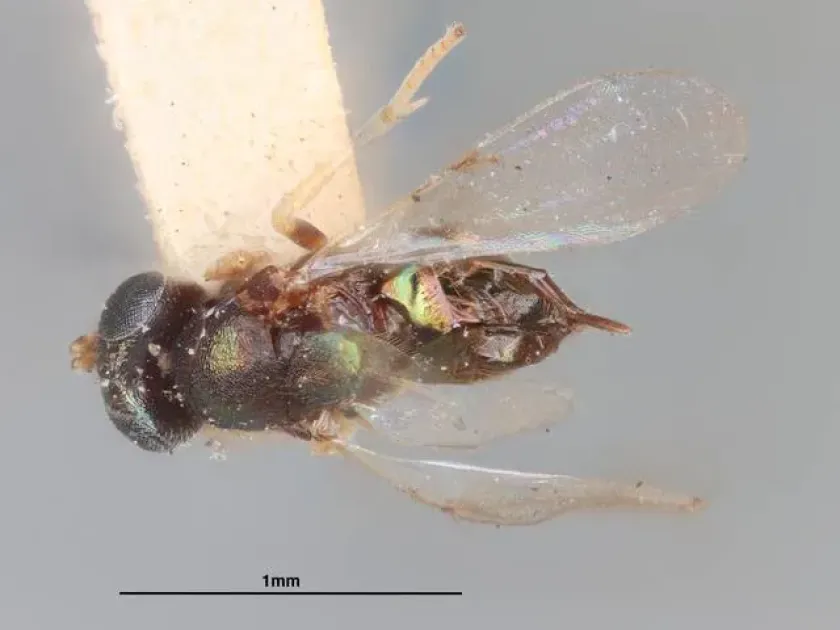
Description
How to identify
Ginsiana arbuticola is a minute parasitic wasp belonging to the family Encyrtidae. These insects are characterized by their small size and specific morphological features that allow them to inhabit the tissues of their host plants.
Identification of this species is highly technical and typically requires expert examination under a microscope. Key features include the specific wing venation patterns and the structure of the antennae, which are critical for precise taxonomic classification.
The biology of Ginsiana arbuticola is intrinsically linked to the phenology of the Arbutus genus. As a specialized pest, it spends significant parts of its life cycle hidden within plant tissues, making detection difficult for non-specialists.
The presence of the pest is often overlooked until the damage becomes visible on the foliage. Monitoring programs in nurseries should focus on regular sampling during the peak growth season to detect initial infestations.
Understanding the life cycle is crucial for effective management. By tracking the development stages, agronomists can determine the optimal timing for intervention and the application of control measures.
What it damages
The primary hosts of Ginsiana arbuticola are species of the Arbutus genus. The larvae feed internally, causing significant physiological stress to the plant and disrupting normal growth patterns.
Symptoms of infestation include distorted, stunted, and chlorotic leaves. As the larvae feed, they create exit holes and necrotic spots, which drastically reduce the aesthetic value of ornamental shrubs.
Severe infestations can lead to premature leaf drop and the dieback of terminal shoots. This weakening effect makes the shrubs more susceptible to environmental stress and opportunistic secondary pathogens.
Reproductive success is also impacted, as damaged plants may show reduced flowering and fruit set. This is particularly problematic for commercial nurseries focusing on the production of healthy ornamental specimens.
In addition to direct feeding damage, the wounds created by the pest facilitate the entry of fungal and bacterial pathogens, which can cause more widespread tissue necrosis across the plant.
When it appears
Adult emergence typically coincides with the spring flush of new growth on the host plant. This is the period when the pest actively seeks out suitable sites for oviposition on young shoots.
The insect typically overwinters as a diapausing larva within the plant tissue. This protection allows the population to survive harsh winter conditions and emerge successfully as temperatures rise in the spring.
Throughout the growing season, multiple generations can occur depending on the regional climate. Warmer, more stable conditions generally support a faster life cycle and higher pest densities.
Fall signals a shift in activity, as individuals begin to prepare for dormancy. During this transition, they become less active and more difficult to target with conventional control methods.
Field monitoring should be prioritized from late spring through mid-summer, as this window represents the peak activity level of the pest and the most significant opportunity for management intervention.
Control measures
An integrated pest management (IPM) approach is recommended for Ginsiana arbuticola. This involves combining cultural, chemical, and biological control methods to keep populations below the economic injury level.
Cultural practices are the first line of defense. Pruning and destroying infested plant material are essential to reduce the reservoir of larvae within the nursery or garden environment.
- Routine visual inspections of foliage and shoots.
- Sanitary pruning of affected branches and leaves.
- Proper irrigation and fertilization to maintain plant vigor.
- Use of systemic insecticides to target larvae inside plant tissues.
Chemical control requires the strategic application of systemic insecticides during the active growth phase. It is important to rotate modes of action to prevent the development of resistance in pest populations.
Biological controls, such as beneficial insects or microbial agents, can be used to augment management efforts. These methods are particularly valuable in environmentally sensitive areas where chemical usage is restricted.
Taxonomy
- Latin name
- Ginsiana arbuticola
- Order
- Hymenoptera
- Family
- Encyrtidae
- EPPO code
- PSYAAR
Discussion
No discussions yet — be the first.