
Fidicina drewseni Cicada
Fidicina drewseni
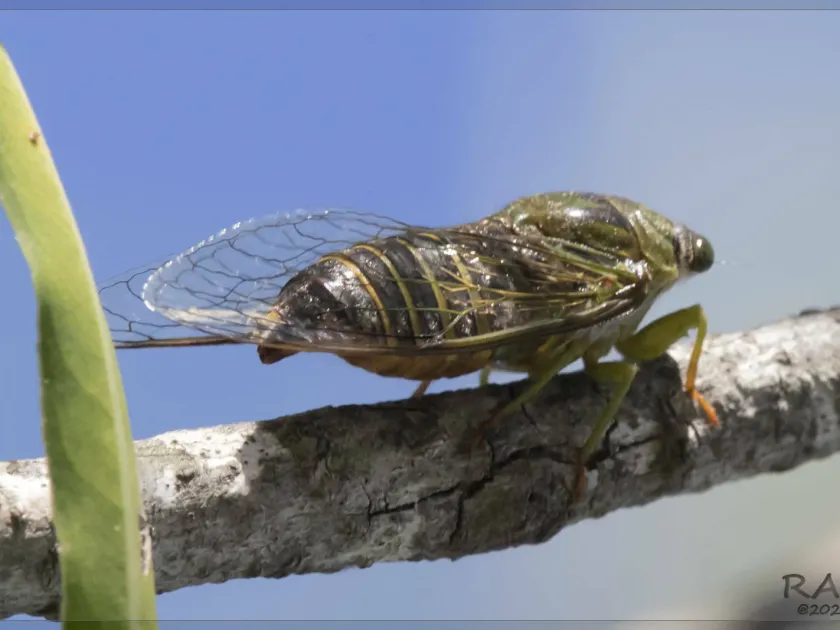
Description
How to identify
Fidicina drewseni is a species of cicada belonging to the family Cicadidae. These insects are known for their robust bodies and their ability to produce distinct acoustic signals.
The adults are equipped with powerful wings and a specialized piercing-sucking mouthpart. They possess cryptic coloration, which provides excellent camouflage against tree bark.
The nymphal stage is spent underground, where these insects live for several years. Their front legs are modified into strong digging tools, ideal for life in the soil.
As true bugs, their biological classification dictates a developmental cycle that includes multiple nymphal instars, all feeding on plant xylem.
Identifying this species involves examining both the adult morphology and the characteristic sound patterns produced by the males during their mating season.
What it damages
This species of cicada poses a significant threat to various orchards and woody plants. The nymphs cause the most damage by feeding on the sap of the roots.
The adults damage twigs by piercing the bark to feed and to deposit eggs. These wounds often lead to secondary infections and tissue necrosis.
Primary host plants include:
- Fruit trees such as apples and pears.
- Various ornamental shrubs in their range.
- Native woody species that support adult populations.
Damage to the roots significantly weakens the plant, reducing its ability to absorb water and nutrients, which eventually impacts the total fruit yield.
If population densities are high, the cumulative damage from both nymphs and adults can lead to the gradual decline or even death of the host plant.
When it appears
The adult activity of Fidicina drewseni is concentrated in the warmer months of the year, with a peak during the mid-summer season.
The environmental temperature acts as a primary trigger for the mass emergence of adults from the soil, initiating the mating cycle.
The vocalization of males is a prominent feature of the summer landscape, serving as a reliable indicator of the pest's presence in the area.
Egg laying typically occurs in summer, while the transition of nymphs back into the soil for their long development cycle happens by early autumn.
Annual variations in climate can shift the timing of these events, necessitating seasonal monitoring to anticipate the intensity of potential infestations.
Signs of infestation
Key symptoms of an infestation include rows of small, circular punctures along the twigs where the females have deposited their eggs.
Gradual chlorosis (yellowing of leaves) and stunted growth of shoots are common visual indicators of root damage caused by high nymph densities.
The presence of abandoned nymphal skins (exuviae) attached to the trunks of trees is a clear sign that adults have recently emerged.
Premature fruit drop and canopy thinning in orchards are often indirect consequences of the physiological stress placed on the trees by the cicadas.
Loud, continuous buzzing or rhythmic acoustic signals in the canopy provide the most immediate evidence that the orchard is currently infested.
Control measures
Effective management strategies require an integrated approach focusing on both physical removal of eggs and chemical control of active life stages.
Pruning and destroying branches containing egg-laying scars is the most effective mechanical method to reduce the next generation's population.
Soil-applied systemic insecticides can be utilized to target nymphs, though this requires careful consideration of the orchard's ecological balance.
Orchard sanitation, including the removal of debris and maintaining soil health, can minimize the attractiveness of the site to breeding cicadas.
Regular monitoring of acoustic activity and visual symptoms allows growers to time their intervention strategies for maximum efficiency and minimal crop loss.
Discussion
No discussions yet — be the first.