
Cutworm Feltia
Feltia
Description
How to identify
The cutworm (genus Feltia) belongs to the Noctuidae family within the order Lepidoptera. The adults are nocturnal moths with a wing span of approximately 40 mm, featuring mottled grey-brown patterns that provide camouflage.
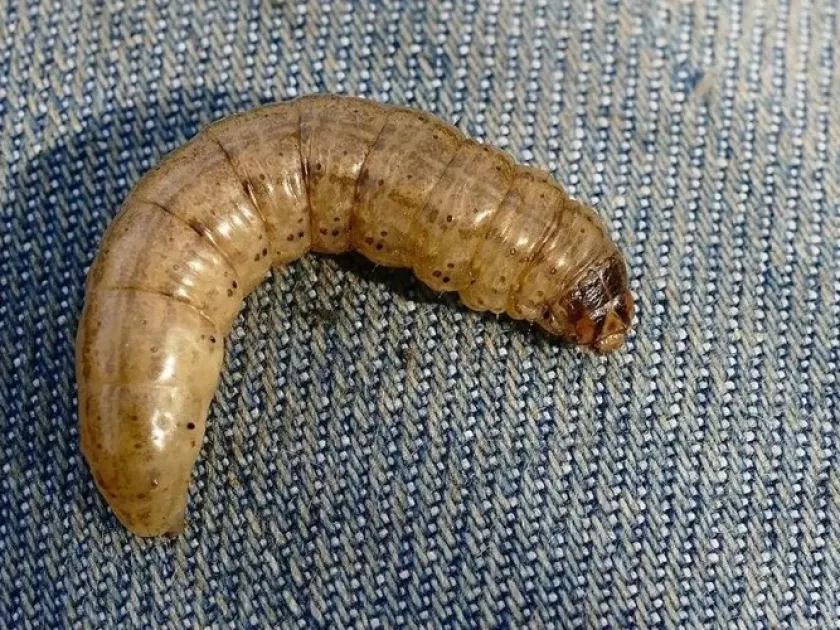
The larvae, known as cutworms, are the primary damaging stage. They typically have a robust, cylindrical body that is dull grey or brownish, often appearing translucent or oily, and can reach up to 50 mm in length.
Their life cycle includes complete metamorphosis: egg, larva (six instars), pupa, and adult. Most species in this genus overwinter as mature larvae buried deep within the soil profile.
Pupation occurs in the spring within an earthen cell prepared by the larva. After the pupal period, moths emerge and fly at night, feeding on flower nectar without harming crops.
Females lay eggs in clusters or individually on the underside of weed leaves or directly onto moist soil surfaces, ensuring proximity to food sources for newly hatched larvae.
What it damages
Feltia species are generalist feeders, or polyphages, known to cause severe damage to a wide range of agricultural crops including corn, sugar beets, sunflower, and various vegetables.
Young larvae feed on the foliage of host plants, causing minor skeletonizing. As they grow into the third or fourth instar, their feeding behavior shifts to the soil surface or slightly below it.
The larvae are called "cutworms" because they feed on the stems of young plants at the soil level, often severing them entirely, which leads to immediate wilting and death of the plant.
A single larva can destroy several young plants in a single night, leading to significant stand reduction and often forcing farmers to replant affected areas.
Late-season damage may involve tunneling into tubers, roots, or bulbs, which exposes the crop to secondary pathogens, bacterial rots, and significantly reduces the marketability of the harvest.
When it appears
The flight of the first generation of adults typically occurs in late spring to early summer, depending on regional temperature patterns and soil warming.
The most critical window of damage occurs from May to June, when crop seedlings are at their most vulnerable stage and cannot recover from stem severance.
A second generation may appear in late summer or early autumn, posing a risk to late-planted crops or winter seedlings that are establishing their root systems.
Climatic factors, such as spring rainfall and temperature, heavily influence the survival rate of the larvae and the timing of their emergence from the soil.
Agronomists monitor seasonal activity using pheromone traps to identify peak moth flights and predict the timing of larval outbreaks for efficient intervention.
Signs of infestation
The most common sign is the appearance of individual plants that are wilted, lying on the ground, or completely missing from the row during morning inspections.
By digging a few centimeters into the soil near the base of a wilted or severed plant, you can often find the curled-up larva resting during the day.
Small irregular holes in the lower leaves or evidence of chewed stem tissue near the base are clear indicators of early or moderate infestation levels.
Frass (larval droppings), which looks like small dark pellets on the soil surface, is a reliable sign of active feeding occurring in the immediate vicinity.
- Sudden wilting of seedling stems.
- Severed plants at the soil line.
- Missing plants causing gaps in crop rows.
- Presence of larvae in the topsoil near damaged plants.
Control measures
Cultural control is essential; deep fall plowing helps bury or crush overwintering larvae, exposing them to cold weather and predators like birds or ground beetles.
Weed management is vital, as removing weed hosts from the field and surrounding areas eliminates egg-laying sites and prevents young larvae from establishing.
Chemical control should be applied in the evening, as cutworms are nocturnal and surface feeding occurs when temperatures drop and humidity rises at night.
Biological control methods, such as using Trichogramma wasps, can be deployed to parasitize eggs, providing an eco-friendly way to reduce population numbers before hatch.
Integrated Pest Management (IPM) involves consistent monitoring and the use of economic thresholds to ensure that pesticide applications are targeted and cost-effective.
Taxonomy
- Latin name
- Feltia
- Order
- Lepidoptera (butterflies)
- Family
- Noctuidae
- EPPO code
- FELTSP
Discussion
No discussions yet — be the first.