
Euxoa brevipennis
Euxoa brevipennis
Description
How to identify
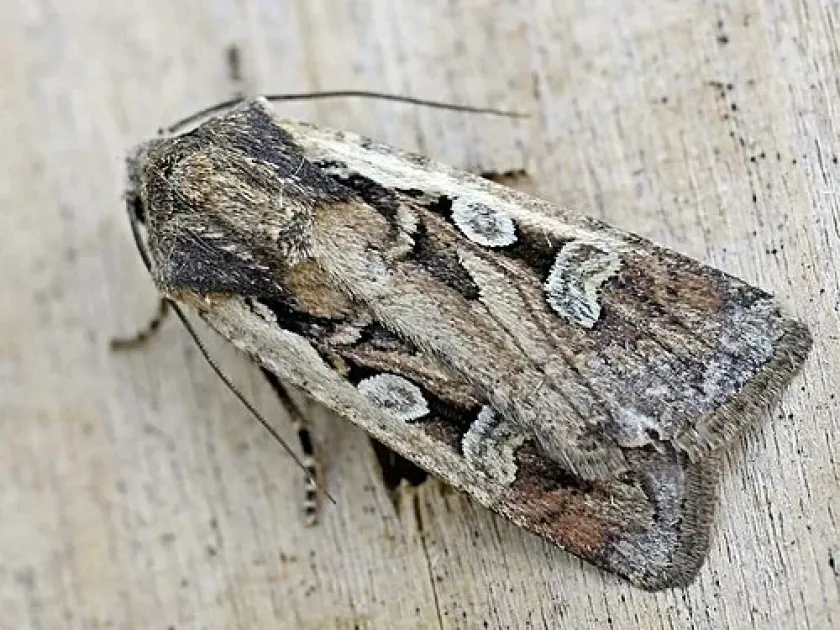
Euxoa brevipennis is a moth species belonging to the family Noctuidae. These moths are known for their drab, cryptic coloration that provides camouflage against soil and plant debris during the daylight hours.
The larvae, commonly known as cutworms, have a robust, cylindrical body often colored in shades of grey, brown, or earthy tones. This coloration helps them remain inconspicuous while dwelling in the soil.
Adult moths are nocturnal and possess sensory adaptations for flying and mating in low-light conditions. They are highly attracted to artificial light sources, which is often used for their monitoring.
The pupal stage occurs within a chamber formed in the soil. The pupae are typically dark brown, and this stage is critical for the insect to survive periods of unfavourable weather or high temperatures.
Precise identification of this species often requires examination of adult genital morphology or specific regional distribution patterns, as many Euxoa species look similar.
What it damages
The larvae of Euxoa brevipennis act as significant agricultural pests by feeding on a variety of crops, including cereals, sugar beets, and various vegetable species.
The primary damage is caused by the larvae "cutting" through the stems of young seedlings near the soil surface. This leads to the immediate collapse and death of the plant.
Infestations can cause uneven crop stands and significant thinning of plant populations. In severe cases, the damage may result in extensive patches of total crop loss across fields.
As polyphagous insects, they also feed on weed species, allowing their population to persist on land even when preferred host crops are not currently growing.
Young plants are most vulnerable to feeding damage. Once the plant tissues become tougher as the crop matures, the larvae typically cause less lethal damage, though they may still feed on roots or leaves.
When it appears
The flight activity of adult moths generally takes place during the warmer months. The specific timing of the cycle is dictated by the regional climate and thermal conditions.
Eggs are deposited in the soil or at the base of host plants. The hatching process and subsequent larval development are timed to coincide with the availability of suitable plant food.
Larvae are primarily active at night, while they remain hidden in the soil profile during the heat of the day to avoid desiccation and predation.
The insect typically overwinters as a larva in the soil. This dormancy allows the species to survive low winter temperatures until environmental cues trigger their spring activity.
Life cycles can vary from univoltine to multivoltine depending on the geographic latitude and the length of the growing season in the affected region.
Signs of infestation
The most prominent sign of infestation is the sudden wilting of otherwise healthy-looking plants in a field. Closer inspection usually reveals a severed stem at the soil level.
Patches of dead or dying seedlings appearing in a field are indicators that larvae are moving across the soil surface, systematically attacking plant after plant.
Finding a curled-up larva in the soil around the base of a damaged plant is a definitive sign of cutworm presence, especially if done during early morning hours.
Monitoring populations using light traps or pheromone-baited traps provides early warning of adult activity, allowing producers to predict potential larval emergence times.
The presence of granular frass (insect excrement) at the base of damaged plants can also serve as a diagnostic indicator of larval feeding activity.
Control measures
Cultural practices, particularly deep autumn plowing, are highly effective in disrupting the life cycle of Euxoa brevipennis by exposing larvae and pupae to predators and frost.
Maintaining fields free of weeds is essential, as vegetation cover provides shelter and food for young larvae, facilitating their survival before crop emergence.
Chemical control should be applied based on economic threshold levels. Insecticide applications are most effective when applied in the evening, aligning with the larvae's active feeding period.
Biological control agents, including parasitic wasps such as Trichogramma species, can be used to manage egg populations and reduce the overall pest density.
Integrated Pest Management (IPM) strategies, including crop rotation and the use of resistant varieties where available, are recommended to minimize reliance on broad-spectrum insecticides.
Taxonomy
- Latin name
- Euxoa brevipennis
- Order
- Lepidoptera (butterflies)
- Family
- Noctuidae
- EPPO code
- EUXOBR
Discussion
No discussions yet — be the first.