
Eurois
Eurois
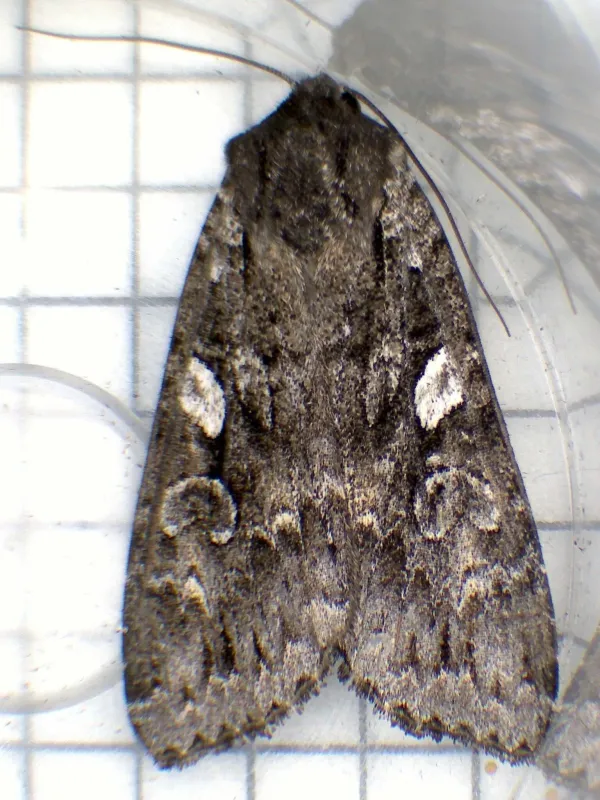
Description
How to identify
The genus Eurois belongs to the family Noctuidae within the order Lepidoptera. These are nocturnal moths with robust bodies and wings typically featuring intricate, cryptic patterns for camouflage.
Adults are active primarily at night, possessing a well-developed proboscis for feeding on floral nectar, while their larvae are the primary cause of agricultural damage.
The caterpillars exhibit distinct morphological features, often displaying cryptic coloration that helps them remain hidden among host plant foliage during the day.
The lifecycle follows a complete metamorphosis pattern: egg, larva (caterpillar), pupa, and adult moth. Overwintering occurs typically in the pupal or larval stage within the soil.
Taxonomic identification requires careful examination of wing venation and genital structures, as many related species within the subfamily share similar appearances.
What it damages
Larvae of Eurois species are polyphagous, demonstrating a wide range of host plants across various agricultural, horticultural, and wild botanical families.
Damage is characterized by irregular holes and margin feeding on leaves, which can escalate to complete defoliation under high pest pressure.
As the larvae mature, they shift their feeding habits towards reproductive plant organs, including buds, blossoms, and occasionally developing fruits or seeds.
This feeding behavior leads to significant reductions in photosynthetic capacity, stunted plant growth, and direct loss of marketable produce.
Early-stage infestations are often overlooked due to the larvae's secretive nature, leading to cumulative damage that is only apparent once the population has reached an economic threshold.
When it appears
Adult moth emergence typically occurs in late spring or early summer, depending on regional temperature accumulation and day length.
The timing of larval emergence is synchronized with the vegetative stage of host plants, providing immediate access to nutrient-rich food sources.
Peak feeding activity is generally observed during mid-summer, when thermal conditions facilitate rapid larval metabolism and faster growth rates.
Generations per year depend heavily on the climate; some areas may experience multiple overlapping generations, while others see a single, prolonged annual cycle.
As temperatures drop in autumn, larvae prepare for overwintering, seeking shelter in soil, leaf litter, or debris to survive the winter season.
Signs of infestation
The presence of irregular feeding patterns and jagged holes on leaves is the primary indicator of larval activity within a field.
Small, dark fecal pellets, or frass, found on the upper surface of leaves or on the ground at the base of plants confirm an active infestation.
Direct scouting at night with a flashlight is the most accurate method to observe larvae and determine the severity of the infestation.
Wilting of young plants or individual shoots can indicate stem boring or root collar feeding, which may occur in some related Noctuid species.
Silk webbing or tied leaves are often observed where larvae have constructed temporary shelters to protect themselves from predators and harsh environmental conditions.
Control measures
Cultural management, such as deep tillage or plowing, is essential for disrupting the pupation stage and exposing pupae to predators and environmental extremes.
Strict sanitation and weed control programs reduce alternative host plants, minimizing the overall population buildup before and during the main cropping season.
Biological control options include the application of Bacillus thuringiensis or specific baculoviruses, which are effective against early-instar caterpillars.
Chemical intervention should be based on economic thresholds and performed using selective insecticides to maintain populations of natural beneficial predators.
Pheromone traps are highly recommended for monitoring adult flight patterns, allowing for more precise and effective timing of subsequent protective applications.
Taxonomy
- Latin name
- Eurois
- Order
- Lepidoptera (butterflies)
- Family
- Noctuidae
- EPPO code
- EURMSP
Discussion
No discussions yet — be the first.