
Epiglaea
Epiglaea
Description
How to identify
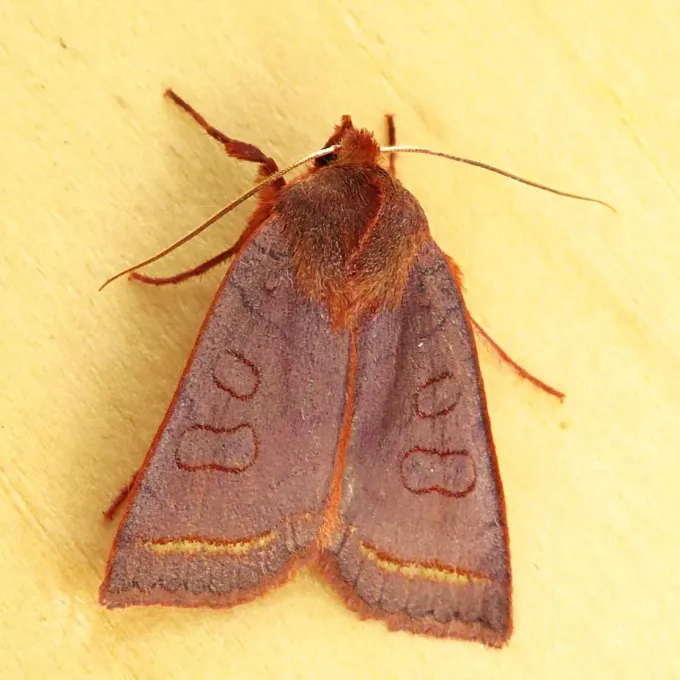
Epiglaea is a genus of moths belonging to the Noctuidae family, the order Lepidoptera. These moths are primarily nocturnal and are well-adapted to camouflage against tree bark.
Adult moths typically exhibit cryptic coloration, which helps them blend into their natural environment during the day. Their wing patterns are usually brownish-gray, mimicking wood textures.
The larvae, or caterpillars, pass through several developmental stages known as instars. As they grow, their color may change from light green to darker brown, providing camouflage among foliage.
The life cycle of Epiglaea is highly dependent on environmental temperature and seasonal changes. Most species overwinter in the pupal stage, often buried in the soil or protected under leaf litter.
Entomological monitoring often involves the use of light traps to detect adult activity, which helps in timing control measures effectively in professional orchards.
What it damages
Epiglaea larvae are known to feed on various trees and shrubs, showing a particular preference for fruit-bearing species. They are considered agricultural pests due to their potential impact on yield.
The caterpillars primarily target buds, young leaves, and developing fruit. Early spring feeding on buds is especially detrimental, as it can kill the growth points before they bloom.
Mass infestations can result in significant defoliation, where the caterpillars skeletonize the leaves, consuming all but the most rigid veins.
The physical damage caused by larvae leaves the plant weakened, reducing its vigor and ability to produce high-quality fruit throughout the growing season.
Damaged plant tissues serve as entry points for various pathogens, including bacteria and fungi, which can exacerbate the negative impact of the infestation.
When it appears
Adult Epiglaea moths typically emerge early in the spring, often coinciding with the initial warming of temperatures and the start of sap flow in trees.
The most active period for larvae, where damage is most visible, occurs during the spring development of foliage and buds, typically from April through June.
Summer activity may vary depending on the species and regional climate, with some populations entering a period of diapause to survive extreme heat or drought.
Weather patterns significantly influence the development speed of larvae. A cold, prolonged spring may extend the period during which caterpillars are active and feeding.
As the season ends, the moths lay eggs that are destined to overwinter, ensuring the continuity of the life cycle into the following year.
Signs of infestation
One of the earliest signs of infestation is the presence of hollowed-out or damaged buds that fail to open during the spring season.
Rolled or tied leaves, held together by silk threads produced by the larvae, act as daytime shelters and are clear indicators of the pest's presence.
Skeletonized leaves with irregular holes are a hallmark of older, more voracious larvae that are actively feeding on the foliage.
The presence of frass (caterpillar excrement) on leaves or branches directly below the feeding sites is a reliable indicator for field scouting.
Nighttime inspections using flashlights can reveal the caterpillars in action, as they are most active and visible when feeding on the plant surface during darkness.
Control measures
Cultural control practices, such as tilling the soil around the base of trees in autumn, help destroy pupae overwintering in the ground.
Mechanical barriers, such as sticky bands applied to tree trunks, can prevent larvae from climbing into the canopy from the soil or lower vegetation.
Biological control methods, specifically the use of Bacillus thuringiensis (Bt) sprays, provide an effective and environmentally friendly way to target young larvae.
Chemical insecticides should be reserved for periods when the pest population exceeds the economic threshold, focusing on contact-acting formulations.
- Regular monitoring of orchard canopy.
- Sanitation by removing weeds near tree bases.
- Encouraging natural predators such as birds and parasitic wasps.
- Using pheromone traps to time pesticide applications.
Taxonomy
- Latin name
- Epiglaea
- Order
- Lepidoptera (butterflies)
- Family
- Noctuidae
- EPPO code
- EPGLSP
Discussion
No discussions yet — be the first.