
Enargia
Enargia
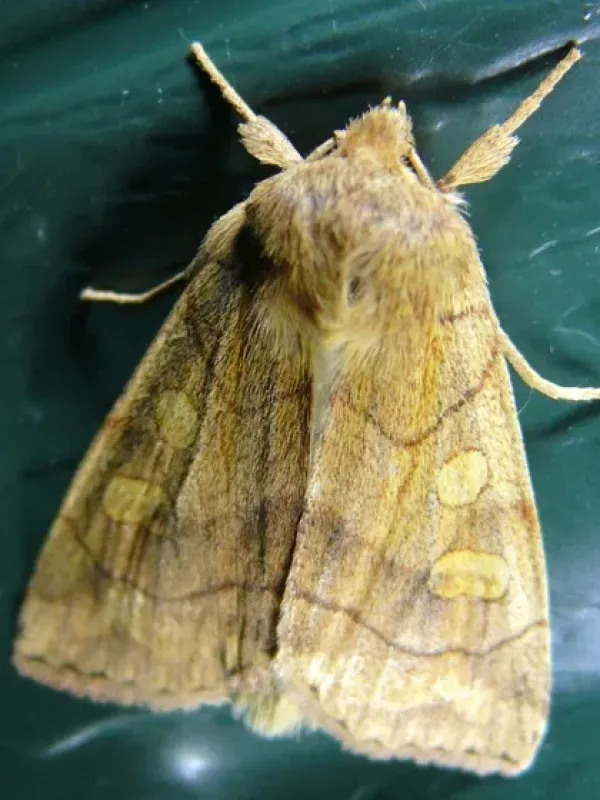
Description
How to identify
The genus Enargia belongs to the Noctuidae family within the order Lepidoptera. These moths are typically nocturnal and possess cryptic coloration in shades of brown and grey, providing excellent camouflage against tree bark.
Adult moths exhibit sexual dimorphism, with males often having bipectinate antennae. Their forewings are marked with intricate patterns, including crosslines and reniform spots, which are standard characteristics for this group of moths.
The larvae, or caterpillars, have a cylindrical body shape. They vary in color from pale green to brownish-grey, which helps them blend into the foliage and stems of their host plants during the day.
Pupation occurs either in the soil or within protected crevices of the tree bark. The pupae are generally dark brown and possess the structural features typical of most noctuids, designed for survival during the dormant winter period.
The lifecycle is generally univoltine, meaning there is only one generation per year. The overwintering stage is typically the egg, which is laid on the branches of the host tree to ensure early spring access to food.
What it damages
Enargia species are primarily dendrophilous, meaning they feed on woody plants. Their preferred hosts include poplars, aspens, willows, and occasionally various orchard fruit trees.
The primary damage is caused by the larval stage. Young caterpillars begin by skeletonizing leaves, eating the tissue between the veins, which causes the leaves to dry out prematurely.
As the larvae mature, they consume entire leaf blades, leaving only the primary veins. This significant reduction in foliage impairs the tree's ability to photosynthesize and accumulate necessary energy reserves for the following season.
Heavy infestations can lead to total defoliation, which severely stresses the tree, reduces annual growth increments, and makes the tree susceptible to secondary pests and various fungal pathogens.
Fruit tree orchards suffer economic losses not only from foliage damage but also from the overall reduction in tree vigor, which directly impacts fruit set and quality during the harvest season.
When it appears
The adult flight period typically occurs in late summer or early autumn. This is when mating takes place and eggs are deposited on the host plants for the winter season.
The active feeding phase of the caterpillars begins in the spring, synchronized with the bud burst of the host trees, and continues through the early summer months until pupation occurs.
Signs of infestation
Early signs include the presence of frass (caterpillar droppings) on the leaves or the ground beneath the canopy. Holes in the foliage and ragged leaf edges are visible indicators of infestation.
Caterpillars often use silk to bind leaves together, creating small nests or shelters. Finding such tied leaves is a clear indication that a colony of larvae is actively feeding in the area.
Control measures
Biological control using Bacillus thuringiensis (Bt) is highly recommended, as it is effective against young larvae and has minimal impact on non-target beneficial insect populations.
Chemical intervention should be reserved for cases of severe outbreaks. Contact and systemic insecticides are applied during the early stages of larval development to achieve maximum efficacy with lower dosages.
Cultural management includes the removal and destruction of leaf litter in the autumn to eliminate overwintering pupae and eggs. Maintaining healthy trees through proper watering and fertilization increases their resilience.
Encouraging natural predators, such as insectivorous birds, parasitic wasps, and predatory beetles, is a sustainable way to keep Enargia populations below the economic threshold level.
- Use light traps in late summer to monitor adult moth activity.
- Implement pheromone monitoring if specific species populations become problematic.
- Prune and destroy heavily infested branches to reduce local population density.
Taxonomy
- Latin name
- Enargia
- Order
- Lepidoptera (butterflies)
- Family
- Noctuidae
- EPPO code
- ENAGSP
Discussion
No discussions yet — be the first.