
Elaphria versicolor
Elaphria versicolor
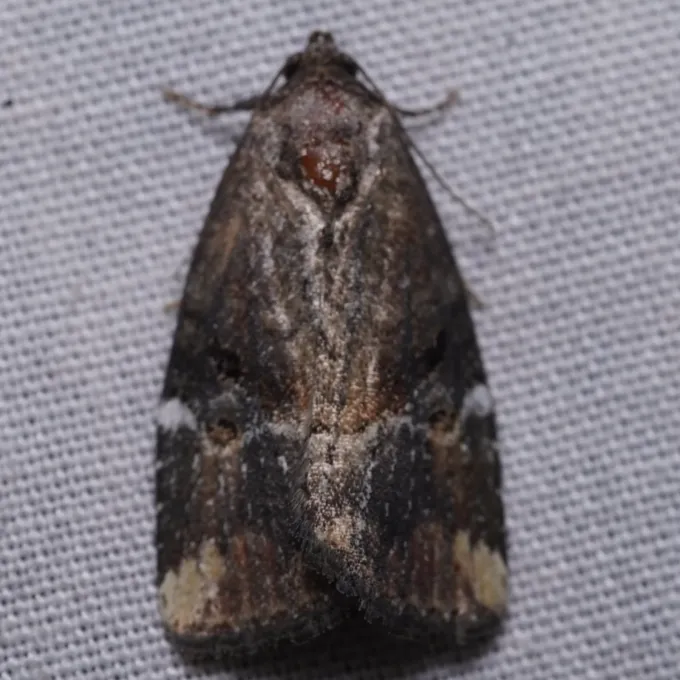
Description
How to identify
Elaphria versicolor is a moth species belonging to the family Noctuidae (order Lepidoptera). The adult moths are characterized by their cryptic coloration, which helps them blend seamlessly into their surroundings, such as tree bark or dry plant debris, during the daylight hours.
The larval stage, or caterpillar, is the primary phase responsible for damage. These larvae typically have a robust body structure with well-developed prolegs, allowing them to crawl efficiently and feed extensively on various parts of host plants.
The life cycle encompasses four distinct stages: egg, larva, pupa, and adult. Females lay eggs on leaves or sheltered areas of the plant. Depending on the local climate, multiple generations can occur per year, leading to overlapping populations throughout the growing season.
Overwintering usually takes place in the pupal stage, buried within the soil or protected by leaf litter. This dormancy allows the species to survive low temperatures, facilitating successful emergence as soon as favorable conditions return in the spring.
The adults are strictly nocturnal, remaining inactive during the day. They feed on nectar and are attracted to artificial light sources at night, which can sometimes be used for monitoring and trapping purposes in agricultural settings.
What it damages
As polyphagous insects, the larvae of Elaphria versicolor can feed on a wide variety of plant species, including vegetables, fruits, and ornamentals. They primarily consume leaf tissues, which significantly hinders the plant's ability to perform photosynthesis.
High infestation levels can result in severe defoliation, where the caterpillars consume nearly all leaf material, leaving only veins. This is particularly devastating for younger plants, which may lack the energy reserves to recover from such heavy damage.
Beyond leaf consumption, the larvae may feed on developing buds, flowers, and fruits, causing stunted growth or complete loss of marketable yield. Such damage often leads to direct financial losses for farmers and gardeners.
The wounds created during feeding serve as entry points for various pathogens, including bacteria and fungi. This secondary infection often exacerbates the primary damage caused by the larvae, leading to rot and further decay of plant parts.
Due to their nocturnal feeding habits, large populations can cause significant damage overnight, often catching growers off guard if regular monitoring is not practiced.
Signs of infestation
The most recognizable sign of an Elaphria versicolor infestation is the presence of irregular, ragged holes in the leaves. Initially, these may appear as small notches on leaf margins before progressing to larger, more widespread tissue loss.
The presence of frass, which appears as small dark pellets, on the leaves or the soil surface beneath the infested plant is a clear indication of larval activity. Finding these droppings is an excellent way to confirm the presence of the pest.
In some cases, larvae use silken threads to tie leaves together, creating a shelter to hide from predators. Inspecting leaf clusters for this webbing can help identify hidden infestations that might otherwise go unnoticed during a casual glance.
Damaged buds or flowers that fail to bloom or appear hollowed out are also strong indicators of the pest's presence. Growers should perform careful inspections of these areas, especially during the early stages of plant development.
Nighttime observation with a flashlight may reveal the larvae actively feeding on the foliage. Since they avoid direct sunlight, seeing them in action is the most accurate way to assess the severity of the infestation.
Control measures
Effective management of Elaphria versicolor requires an integrated approach. Cultural practices, such as tilling the soil after harvest, can significantly reduce the overwintering pupal population, thereby lowering the risk of infestation in the following season.
Biological control options, such as the application of Bacillus thuringiensis or other microbial insecticides, are highly effective against young larvae. These methods are environmentally friendly and target specifically lepidopteran pests without harming beneficial insects.
Pheromone and light traps are excellent tools for monitoring population trends and identifying the timing of peak adult emergence. This allows for precisely timed intervention, maximizing the efficiency of any necessary treatments.
Chemical control should be employed only when necessary, using products registered for use on the specific crop. Applications are best made in the late evening, coinciding with the peak feeding activity of the larvae for maximum coverage.
- Remove weed hosts around the crop area to minimize alternative food sources.
- Promote biodiversity to encourage natural predators like parasitic wasps and birds.
- Use physical barriers like netting to protect highly susceptible plants in small gardens.
Taxonomy
- Latin name
- Elaphria versicolor
- Order
- Lepidoptera (butterflies)
- Family
- Noctuidae
- EPPO code
- ELPHVE
Discussion
No discussions yet — be the first.