
Delta moth
Elaphria deltoides
Description
How to identify
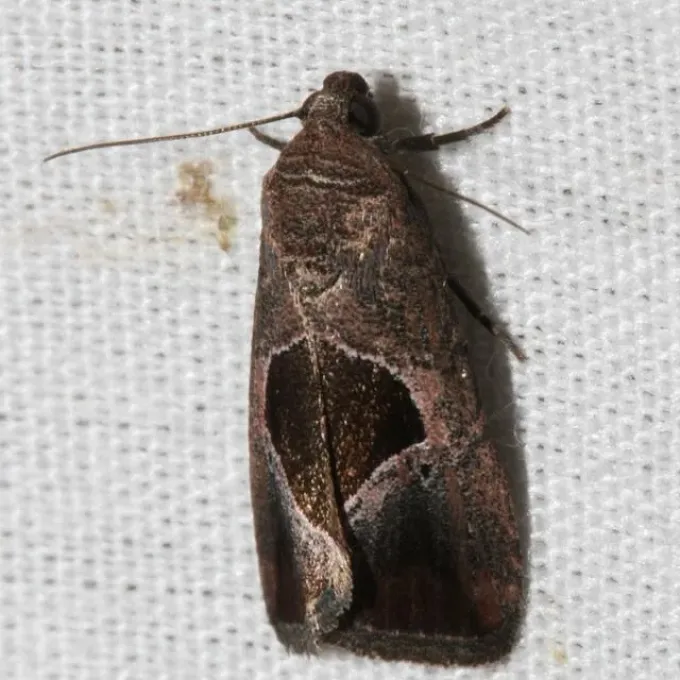
The delta moth, scientifically known as Elaphria deltoides, belongs to the family Noctuidae within the order Lepidoptera. It is a moth species recognized for its distinct wing pattern, which resembles a delta symbol, helping agronomists identify the adult stage of the insect.
The adult moth possesses a robust, hairy body typical of many noctuid species. The forewings display varying shades of brown and grey, providing excellent camouflage against tree bark or soil, which serves as a defensive mechanism during the day.
The larvae, or caterpillars, are the primary damaging stage. They exhibit a cylindrical shape and vary in color, often matching the host plant's foliage. Development includes several larval instars, with each stage requiring an increasing amount of plant material for growth.
The life cycle involves complete metamorphosis: egg, larva, pupa, and adult. The pupal stage is crucial for overwintering, typically occurring within the soil profile, which protects the insect from harsh winter conditions and predators.
Emergence usually coincides with the start of the warm season. Adults are nocturnal, showing high activity during the night, while they remain stationary and hidden in dense vegetation during the daylight hours.
What it damages
This species is known to infest a variety of herbaceous plants, including several agricultural crops. The damage is primarily caused by the feeding activity of the larvae, which can be devastating in high-density populations.
Young plants are particularly vulnerable. When larvae feed on newly emerged seedlings, they can cause significant stand reduction or complete destruction of the crop, forcing farmers to re-seed or apply emergency treatments.
The feeding behavior involves chewing irregular holes in the leaf blades. In cases of high infestation, only the major veins of the leaves may remain, severely compromising the plant's photosynthetic capacity and hindering normal development.
In addition to leaf damage, the larvae may occasionally feed on floral structures or developing fruit. This not only directly reduces yields but also opens wounds that serve as infection sites for various plant pathogens.
The economic impact of Elaphria deltoides is most pronounced in regions where environmental conditions favor rapid population growth and where monitoring programs are not sufficiently implemented.
Signs of infestation
The primary sign of an infestation is the presence of irregular "windowing" or complete leaf holes. Upon closer inspection, farmers often find small, dark pellets of excrement, which are diagnostic of larval activity on the plant.
During evening field assessments, it is possible to spot the caterpillars feeding on the foliage. In contrast, daytime scouting is often more difficult as the larvae tend to seek shelter in leaf curls or near the base of the plant.
Light traps are a highly effective diagnostic tool. By counting the number of adult moths captured overnight, agronomists can determine the start of the breeding cycle and the optimal timing for protective measures.
Wilted plants or those showing signs of stunted growth may indicate damage to the stem or root crown, especially in younger plants. Such damage often leads to secondary wilting as water transport is impeded.
Monitoring the underside of the leaves for small, massed egg clusters is a proactive way to detect the pest before the larvae hatch and start causing visible damage to the field.
Control measures
Effective management of the delta moth requires an integrated pest management (IPM) approach. Cultural practices, particularly deep autumn plowing, are fundamental as they disrupt the pupation cycle in the soil.
Crop rotation remains one of the most effective strategies to prevent the buildup of pest populations. By alternating host crops with non-host species, the pest's life cycle is effectively broken, reducing overall numbers.
Biological control options, such as the application of Bacillus thuringiensis or the introduction of parasitic wasps like Trichogramma, provide excellent results against younger larvae while maintaining the safety of the local ecosystem.
Chemical control should only be utilized when pest populations exceed the economic threshold. Choosing selective insecticides helps preserve beneficial predators and pollinators, which are essential for long-term field stability.
- Implementation of deep tillage to expose pupae.
- Use of pheromone traps for early warning.
- Rigorous weed management in and around field borders.
- Application of bio-pesticides targeting larval stages.
- Strategic rotation of insecticide chemistry to avoid resistance.
Taxonomy
- Latin name
- Elaphria deltoides
- Order
- Lepidoptera (butterflies)
- Family
- Noctuidae
- EPPO code
- ELPHDE
Discussion
No discussions yet — be the first.