
Elaphria agrotina
Elaphria agrotina
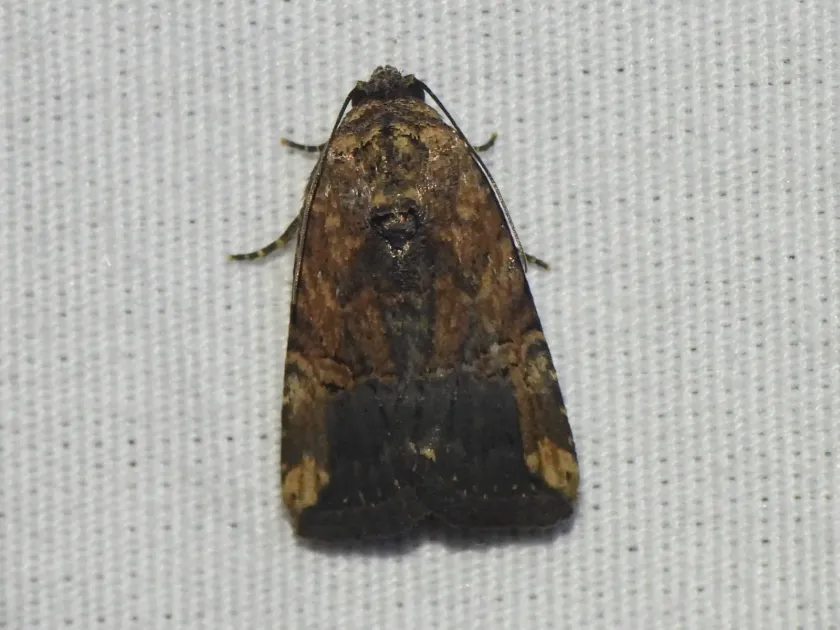
Description
How to identify
Elaphria agrotina is a moth species belonging to the family Noctuidae, order Lepidoptera. This nocturnal insect is typically active during the night, remaining hidden during daylight hours to avoid predators.
Adult moths exhibit cryptic coloration, which helps them blend into tree bark or soil surfaces. The wing pattern is relatively modest, featuring specific markings characteristic of this species that aid in identification.
The larval stage, or caterpillar, is the most destructive phase of the insect's life cycle. The larvae possess a dull, earthy body color, providing effective camouflage against crop residues and soil, which are their common daytime habitats.
The insect undergoes a complete metamorphosis, consisting of four distinct stages: egg, larva, pupa, and adult. Each stage is tightly synchronized with local temperature regimes and the availability of suitable host plants.
Scientific studies on this species are primarily focused on its behavior in North and South American agroecosystems, where populations can reach significant levels under favorable climatic conditions.
What it damages
This pest is known to feed on a wide range of agricultural crops. Corn is among the most frequently affected, though various vegetable and field crops are also susceptible to damage in temperate and tropical regions.
Young larvae feed primarily on the leaf epidermis, creating characteristic window-like patches. As the caterpillars mature, they consume larger portions of the leaf, leaving irregular holes and jagged margins behind.
The severity of the damage increases dramatically during outbreaks, leading to significant defoliation. This reduction in leaf surface area diminishes the plant's photosynthetic capacity, ultimately lowering overall yields.
In some cases, larvae may also damage roots or the base of the stem. This semi-soil-dwelling habit makes it difficult for farmers to detect infestations until significant damage has already occurred.
Stressed or damaged plants become highly vulnerable to secondary pathogens, fungal infections, and other pests, which often compounds the negative impact on the final harvest quality.
Signs of infestation
The primary indicators of infestation include typical feeding damage such as ragged leaf edges, holes, and skeletal remains of leaves. Inspections should focus on the underside of leaves where larvae seek shelter during the day.
Frass (larval excrement) found on leaf surfaces or in plant whorls is a reliable sign of active feeding. These deposits are most visible in the early morning hours, following the night's feeding activity.
Infestations in young seedlings often result in wilting or stand loss. If patches of missing or dead seedlings are observed, a thorough inspection of the root zone and surrounding soil is highly recommended.
In fields with established populations, focal wilting of crops may be visible. Larvae tend to cluster in specific areas, creating distinct zones of damage across the cultivated field.
Utilizing light traps during the evening allows for effective monitoring of adult moth activity. This data is essential for predicting the timing of the next generation and planning timely interventions.
Control measures
Cultural control practices, such as deep tillage, are highly effective as they disrupt the pupal stage in the soil. This practice helps reduce the pest population density before the next planting season begins.
Crop rotation serves as a critical component of integrated pest management. By alternating host crops with non-host plants, farmers can successfully break the pest's life cycle and limit infestation levels.
Chemical control involving systemic or contact-stomach insecticides is advised when pest populations exceed economic injury levels. Timing is crucial, as treatments are most effective against young larvae.
Biological control agents, particularly products based on Bacillus thuringiensis, offer an effective and environmentally friendly alternative to traditional pesticides, minimizing impact on beneficial insect populations.
Pheromone traps are excellent tools for both population monitoring and mating disruption. This approach helps control the moth population without the need for intensive chemical applications.
Taxonomy
- Latin name
- Elaphria agrotina
- Order
- Lepidoptera (butterflies)
- Family
- Noctuidae
- EPPO code
- ELPHAG
Discussion
No discussions yet — be the first.