
Cypress bark scale
Ehrhornia cupressi
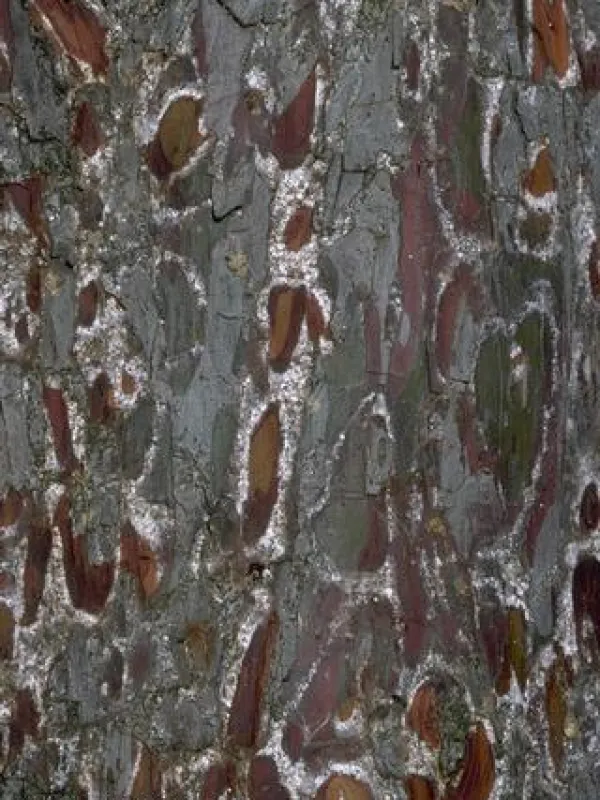
Description
How to identify
The cypress bark scale (Ehrhornia cupressi) is a specialized scale insect belonging to the family Eriococcidae. It is a cryptic pest, meaning it often hides deep within the bark crevices of various conifer species.
Adult females are characterized by a reddish-brown body protected by a thick, white, cottony wax secretion. This waxy covering serves as a shield against environmental stressors and predatory insects.
Male insects of this species are rarely seen; they are winged and exist primarily for mating purposes. The damage is primarily caused by the sedentary females and their active offspring during their dispersal phase.
Identifying the pest requires close inspection of the trunk and primary branches. Using a magnifying glass to check for small, white, fuzzy masses in bark fissures is the standard method for early detection in landscape settings.
The immature stages, known as crawlers, are tiny, yellowish, and highly mobile. Their emergence is a critical window for detection, as they move along the branches seeking new sites to settle and start feeding.
What it damages
This pest targets a wide range of host plants, including various species of Cupressus, Thuja, Juniperus, and Chamaecyparis. Ornamental conifers are particularly susceptible to severe infestations.
By inserting their mouthparts into the plant tissue, both adults and crawlers drain essential cell sap. This continuous feeding deprives the plant of nutrients, leading to yellowing of foliage and general decline in vigor.
Chronic infestation results in the dieback of branches, which can eventually lead to the loss of entire sections of the tree. If left untreated, the tree's architecture can be permanently disfigured.
The insects produce a sugary secretion called honeydew. This substance creates an environment for sooty mold to thrive, which covers the needles in a black layer, blocking photosynthesis and weakening the tree further.
In nurseries, the cypress bark scale can lead to significant economic losses, as infested stock becomes unsaleable due to poor aesthetics and health concerns related to potential secondary infections.
When it appears
The life cycle of Ehrhornia cupressi is highly temperature-dependent. They typically overwinter as immature nymphs, sheltering within the deep bark cracks of the host tree to survive colder periods.
As temperatures rise in the spring, the nymphs exit their dormant state and resume active feeding. This period of physiological activity is the primary target for early intervention in an integrated pest management program.
The crawler stage usually occurs in late spring or early summer. This is when the population expands as the new generation spreads across the tree canopy or disperses to nearby susceptible host plants.
Depending on local climate conditions, the insect can complete one or more generations per year. Warmer regions with long growing seasons may experience faster population growth and more frequent generations.
As autumn approaches, the population density stabilizes and nymphs settle down in protected areas of the bark to initiate the overwintering process, ensuring the survival of the species until the next spring.
Signs of infestation
The most distinctive sign of a cypress bark scale infestation is the presence of white, cotton-like masses on the bark or in the crotches of branches. These are the egg sacs created by the adult females.
Sticky honeydew on the foliage is a telltale sign. Ants are frequently observed crawling on infected trees because they feed on this sugary excretion and protect the scale insects from natural predators.
Progressive needle yellowing and browning, often localized on specific branches before spreading, indicate that the tree is suffering from chronic sap extraction and vascular stress.
The appearance of black sooty mold is a secondary symptom. While not caused directly by the scale, its presence on the needles strongly suggests a heavy infestation of honeydew-producing insects.
- White fuzzy cotton-like growths on bark.
- Sticky residue on branches and needles.
- Visible ant activity on the tree.
- Sooty mold accumulation on needles.
- Needle chlorosis and premature drop.
Control measures
Effective management of cypress bark scale relies on systemic insecticides, which are absorbed into the plant's sap. This is the most reliable way to reach the insects hidden under the protective bark and waxy layers.
Application timing is critical. Treating the trees during the crawler stage, when the insects have not yet developed their dense, protective waxy coating, significantly improves control efficacy.
Cultural practices, including the pruning of heavily infested and dead branches, help reduce the overall population pressure. All pruned material must be destroyed to prevent the re-infestation of the site.
Maintaining optimal tree health through proper irrigation and balanced fertilization is essential. Trees that are not stressed are better equipped to tolerate low levels of infestation and recover faster after treatments.
Regular monitoring programs are recommended for high-value ornamental trees. By detecting the pest early before it spreads throughout the canopy, arborists can apply targeted interventions and avoid widespread damage.
Taxonomy
- Latin name
- Ehrhornia cupressi
- Order
- Hemiptera (bugs, aphids, leafhoppers)
- Family
- Pseudococcidae
- EPPO code
- EHRHCU
Discussion
No discussions yet — be the first.