
Egira
Egira
Description
How to identify
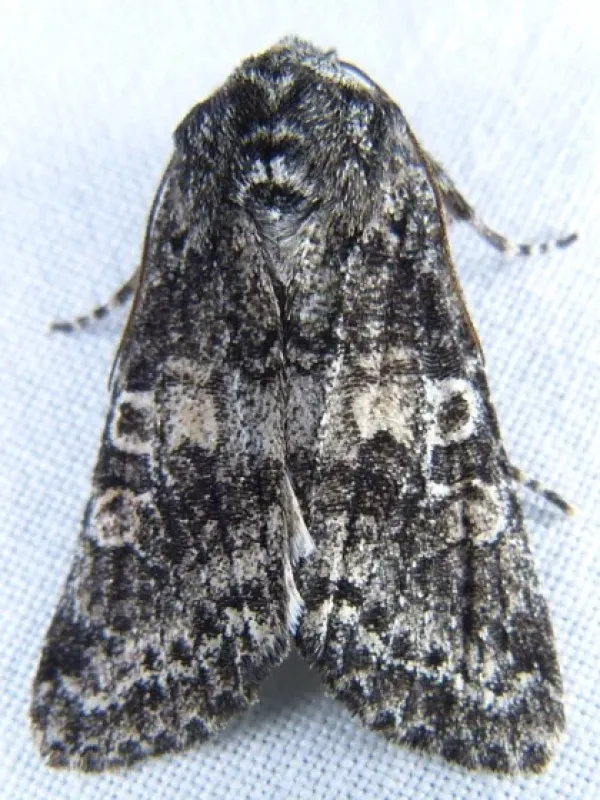
Egira is a genus of moths belonging to the Noctuidae family (order Lepidoptera). These are medium-sized moths with grayish or brownish coloration, providing excellent camouflage against tree bark.
The caterpillars of this genus are characterized by specific hairs and variable body colors, ranging from greenish to brownish, which help them hide within foliage.
Adult moths are primarily nocturnal, making them difficult to detect during standard daytime orchard inspections, which complicates early diagnosis.
Species identification is often conducted through the analysis of genitalia structure and wing pattern details, requiring specialized entomological knowledge.
The pupal stage occurs in the soil substrate, where the pest successfully overwinters, protected by a dense cocoon against low temperatures and humidity.
What it damages
The primary damage is caused by the caterpillars, which are polyphagous phytophages capable of feeding on various tree and shrub species.
Target crops include stone and pome fruit trees such as apples, pears, plums, and cherries, posing a significant risk to commercial fruit production.
Feeding has also been recorded on several forest tree species and ornamental shrubs, which helps maintain the pest population in wild habitats.
The most severe damage occurs during bud burst and the active growth of young shoots, when caterpillars consume the plant's vital vegetative organs.
In cases of mass outbreaks, the pest can significantly reduce crop yields, causing tree weakening and stunted development of the entire orchard.
When it appears
The life cycle of Egira typically involves one generation per year, a common trait for many Noctuidae representatives in temperate climates.
The flight of adult moths usually occurs in early spring, coinciding with the flowering phase of many fruit trees, when eggs are actively deposited.
Caterpillars are most active in late spring and early summer, when environmental temperatures favor their rapid growth and subsequent pupation.
Pupation takes place in mid-summer, after which the insect enters a diapause state that lasts until the following spring.
Monitoring adult moth emergence in spring allows agronomists to plan protective measures effectively, based on the specific regional phenological data.
Signs of infestation
The first sign of an infestation is the presence of eaten buds and young leaves, resulting from the larvae's feeding with their chewing mouthparts.
The accumulation of caterpillar frass on leaf surfaces and beneath the tree canopy is a reliable indicator of an active infestation site.
Leaf curling or skeletonization suggests that the pest has entered its active feeding phase, necessitating immediate intervention by the grower.
During evening hours, light traps can be used to attract and observe the adult moths, indicating their presence and population level in the orchard.
Careful inspection of the root zone and tree bark can reveal traces of larval movement or the presence of the caterpillars during their peak activity.
Control measures
The primary control method involves the use of stomach-contact insecticides, which are highly effective against caterpillars during their active feeding period.
Agrotechnical methods play a crucial role: autumn cultivation of soil in the tree-trunk circles helps destroy a significant portion of overwintering pupae.
Biological control agents, such as formulations based on Bacillus thuringiensis, provide high efficacy while remaining environmentally friendly.
The deployment of pheromone traps allows for the monitoring of population dynamics, helping to determine the optimal timing for chemical applications.
Maintaining orchard hygiene and timely pruning of damaged branches contribute to increasing the trees' natural resistance to insect attacks.
Taxonomy
- Latin name
- Egira
- Order
- Lepidoptera (butterflies)
- Family
- Noctuidae
- EPPO code
- EGIRSP
Discussion
No discussions yet — be the first.