
Discestra
Discestra
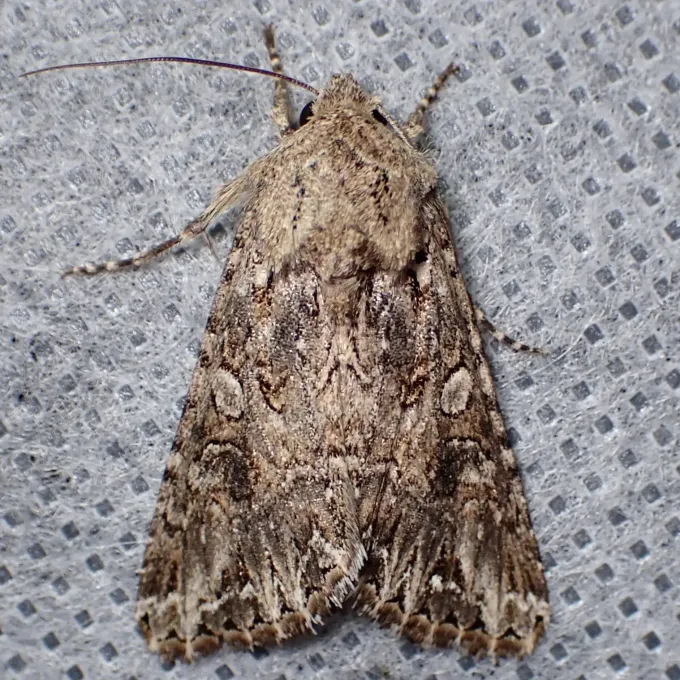
Description
How to identify
Discestra is a genus of moths belonging to the family Noctuidae, order Lepidoptera. These moths are typically nocturnal and have evolved cryptic coloration, allowing them to blend perfectly with soil or plant stems during the day.
The larvae, known as caterpillars, have cylindrical bodies with colors ranging from brownish to greenish, often marked with longitudinal stripes. They remain hidden during daylight hours and only become active for feeding at night, making early detection difficult.
The pupal stage usually occurs in the soil, where the insects construct pupal cells at a depth of 10-15 cm. This burrowing behavior protects them from winter freezes and environmental stressors, ensuring the survival of the population.
The life cycle involves complete metamorphosis, consisting of the egg, larva, pupa, and adult stages. Depending on the climate, the species may complete one or more generations per year, which significantly impacts the severity of the damage.
Morphological identification of the adults requires careful inspection of wing patterns and genital structures, as these features are key taxonomic indicators used by entomologists to distinguish Discestra from other related noctuid species.
What it damages
Discestra acts as a polyphagous pest, meaning it attacks a wide array of host plants including vegetable crops, legumes, and various grains. It is particularly known for its impact on cabbage, onions, and beets, among other agricultural staples.
The larval stage causes the most severe damage due to the caterpillars' voracious appetite. Initially, they feed on leaf tissues, causing irregular holes, but as they grow, they move toward more structural parts of the plant, including stems and buds.
Mass infestations can result in extensive defoliation, which severely reduces the plant's ability to photosynthesize and leads to significant yield losses. Furthermore, the damage often makes the plant susceptible to secondary bacterial and fungal infections.
When the larvae target the reproductive organs of the plants, the loss of potential fruit or seed production is profound. This makes the crop quality plummet, rendering it unsuitable for market or long-term storage.
Agricultural monitoring is essential to detect these pests early, as their hidden nature allows them to reach damaging thresholds before they become visually apparent to farmers during a cursory inspection.
Signs of infestation
The first signs of a Discestra infestation are ragged leaf margins and irregular holes in the plant foliage. In severe cases, the entire plant may appear weakened or stunted due to constant feeding pressure.
Presence of caterpillar excrement (frass) on the leaves or at the base of the plant is a reliable indicator of active feeding. Finding these signs usually prompts a closer look at the soil surface, where caterpillars hide during the day.
In cereal crops, damage to the stem or flag leaf can result in plant lodging or poor grain fill. In root vegetables, caterpillars might tunnel into the tissue at the crown, leading to premature wilting and decay of the plant.
During dry conditions, the impact of the pest is magnified as the plants lose their ability to recover from the injury. Farmers should look for patches of wilting or discoloration in their fields as a potential sign of noctuid activity.
Nighttime use of light traps is a standard method to detect the presence of adult moths in the field, helping growers time their intervention strategies effectively before the next generation of larvae hatches.
Control measures
Effective management of Discestra relies on a combination of cultural and chemical strategies. Deep fall plowing is a critical cultural practice that exposes pupae in the soil to predators and adverse winter temperatures, effectively reducing the overwintering population.
Crop rotation is highly recommended to disrupt the life cycle of the pest, preventing it from establishing a persistent colony on the same piece of land year after year. Diverse planting schedules make it harder for the pest to flourish.
Biological control methods, such as utilizing naturally occurring entomopathogenic fungi or beneficial insects, can be highly effective when applied early. These methods help maintain a balance and reduce the need for harsh synthetic chemicals.
Chemical intervention is necessary when population levels exceed the economic threshold. Insecticides should be applied during the early evening hours to coincide with the period when larvae are most active on the plant surface.
- Eliminating weeds at field borders to remove shelter for the pest.
- Using pheromone traps for accurate monitoring of flight activity.
- Encouraging natural predators like birds and parasitic wasps in the field.
- Regular field scouting during morning or evening hours to track infestation progress.
Taxonomy
- Latin name
- Discestra
- Order
- Lepidoptera (butterflies)
- Family
- Noctuidae
- EPPO code
- DSCESP
Discussion
No discussions yet — be the first.