
Cattle lungworm
Dictyocaulus viviparus
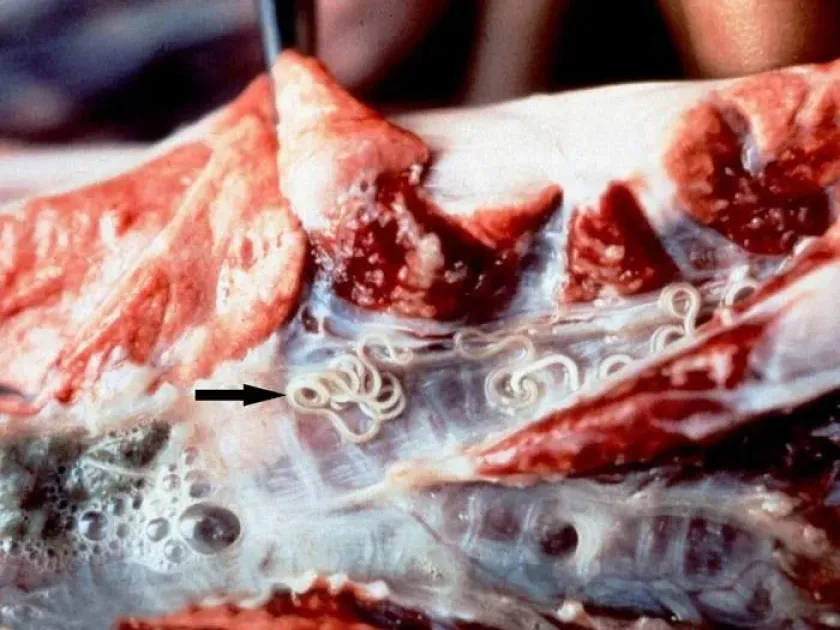
Description
How to identify
Dictyocaulus viviparus is a parasitic nematode belonging to the order Strongylida and the family Dictyocaulidae, affecting bovine respiratory systems.
Adult worms are slender, thread-like organisms that inhabit the bronchi and trachea of infected cattle, often causing severe respiratory distress.
The life cycle involves the larvae being shed in feces, which then develop in the environment into an infective stage capable of infecting new hosts.
Identification is primarily performed through fecal examination techniques, such as the Baermann method, to detect the presence of larvae.
Recognizing the presence of this parasite early is critical for managing herd health and preventing widespread infestation in cattle farms.
What it damages
The primary hosts are cattle, particularly young animals grazing on infested pastures, where the risk of transmission is significantly higher.
The parasite causes severe mechanical irritation and inflammation in the bronchial tubes, leading to obstructive respiratory disease in the herd.
While the pest does not attack plants directly, the economic impact on livestock farming is substantial due to decreased meat and milk production.
Infestation results in significant weight loss and stunted growth in young calves, negatively affecting the overall profitability of the farm.
Secondary infections often develop in damaged lungs, worsening the animal's condition and potentially leading to mortality in severe cases.
When it appears
The transmission of the parasite is highly dependent on environmental conditions, with warm and moist weather being ideal for larval development.
The peak risk period for cattle grazing occurs during the summer and early autumn months when larval populations are at their highest on pastures.
Moisture is essential for larval survival; therefore, damp or poorly drained pastures represent the greatest threat to livestock during the grazing season.
During the winter or in dry conditions, larval activity decreases, but they can survive in protected environments, ready to re-emerge in spring.
Preventive management of pasture access during high-risk seasons is a fundamental component of effective parasite control strategies.
Signs of infestation
The most common clinical sign is a persistent cough, which often worsens when the animal is exercised or moved across the pasture.
Affected cattle exhibit rapid, labored breathing and may stand with their necks extended in an attempt to open the airway for more oxygen.
General malaise, weight loss, and a significant drop in appetite are standard indicators of a heavy parasite burden within the respiratory tract.
Listening to the lungs with a stethoscope often reveals wheezing or harsh breath sounds, confirming the presence of bronchial inflammation.
- Persistent coughing;
- Rapid weight loss;
- Labored breathing;
- Lethargy and poor condition.
Control measures
Treatment involves the administration of effective anthelmintic drugs as part of a structured herd health program supervised by a veterinarian.
Strategic grazing management, including the rotation of paddocks, prevents the buildup of larval concentrations and minimizes reinfection risks.
Improving pasture drainage reduces the favorable conditions required for larval survival, significantly lowering the overall parasite pressure.
Implementing quarantine procedures for new animals entering the herd helps to prevent the introduction of lungworms into clean grazing areas.
Providing clean water sources and maintaining good hygiene in housing areas are essential practices to break the parasite's life cycle.
Taxonomy
- Latin name
- Dictyocaulus viviparus
- Order
- Nematodes
- Family
- Dictyocaulidae
- EPPO code
- DCTCVI
Discussion
No discussions yet — be the first.