
Dichonia
Dichonia
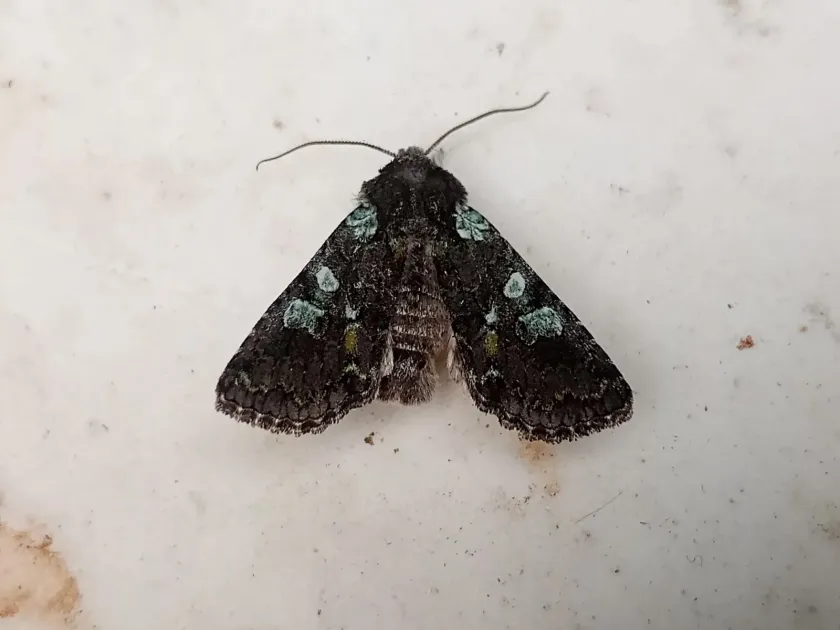
Description
How to identify
Dichonia is a genus of moths belonging to the Noctuidae family. These insects are known for their cryptic behavior and nocturnal activity patterns.
Adult moths possess camouflage coloring that allows them to mimic tree bark perfectly. This adaptation makes them extremely difficult to spot during daylight hours.
The larvae, or caterpillars, are equipped with robust chewing mouthparts. They are often colored in shades that blend in with the surrounding foliage or branches.
The life cycle undergoes a complete transformation: egg, larva, pupa, and adult. Each stage is strictly synchronized with environmental cues and host plant phenology.
Taxonomically, this genus is classified under the order Lepidoptera. Understanding its morphological traits is essential for accurate identification in the field.
What it damages
Dichonia primarily attacks deciduous trees, with a strong preference for oak species and other common forest flora.
Larvae cause damage by feeding on foliage. During the early stages of the growing season, they may also destroy developing buds, impacting tree growth.
In cases of mass outbreaks, the caterpillars can strip a tree of most of its leaves, leading to significant stress and overall physiological decline.
Defoliated trees become increasingly susceptible to secondary infections, diseases, and further damage from other opportunistic pests.
The economic impact is primarily seen in the reduction of wood increment and the degradation of the aesthetic value of urban parks and forest plantations.
When it appears
The biological cycle of Dichonia is tightly linked to seasonal climate changes. Adult flight usually occurs in the late autumn months.
Eggs are typically deposited on the bark of host trees. This stage serves as the primary overwintering phase for the species.
Caterpillars hatch in the spring, coinciding with the opening of buds, which provides the larvae with an immediate and high-energy food source.
Feeding continues through the early summer months. After achieving full development, larvae descend to pupate in the soil or leaf litter.
The species usually completes one generation per year, though population densities can fluctuate significantly based on local environmental conditions.
Signs of infestation
The most prominent sign of infestation is skeletonized or irregular eating patterns along the margins of leaves.
Presence of frass (caterpillar excrement) on the forest floor or on the foliage below the canopy is a strong indicator of active feeding.
During late autumn, careful inspection of tree trunks may reveal resting adults, which are often overlooked due to their bark-like appearance.
- Thinning of the canopy during the peak growing season.
- Visible larvae or webbing on the underside of leaves.
- Premature leaf drop caused by extensive tissue damage.
Monitoring the foliage regularly during the spring helps in detecting the presence of larvae before extensive damage occurs.
Control measures
Management strategies often involve the use of biological insecticides, particularly those containing specific pathogens that target Lepidoptera.
Chemical control measures are reserved for instances where infestation levels exceed economic thresholds, particularly in commercial nurseries.
Promoting general tree health through proper irrigation and soil management improves the natural resilience of the host plants.
Encouraging the presence of natural predators, such as insectivorous birds and parasitic wasps, is an effective long-term suppression strategy.
Sanitation practices, such as removing debris and leaf litter around the base of the trees, can help reduce the overwintering success of the pupae.
Taxonomy
- Latin name
- Dichonia
- Order
- Lepidoptera (butterflies)
- Family
- Noctuidae
- EPPO code
- DCHNSP
Discussion
No discussions yet — be the first.